The Strategic Paradox: Why Iran May Prefer Controlled Conflict Over Peace
Recent military escalations between Iran and the United States have prompted analysts to reconsider the logic behind Tehran’s aggressive posturing. While a direct missile strike on a U.S. base in Jordan might appear counterproductive to those seeking a ceasefire, it may actually reflect a calculated strategy. By maintaining a state of ‘limited war,’ Iran appears to be attempting to exert strategic leverage that it believes would be lost under a status quo of sanctions and economic isolation.
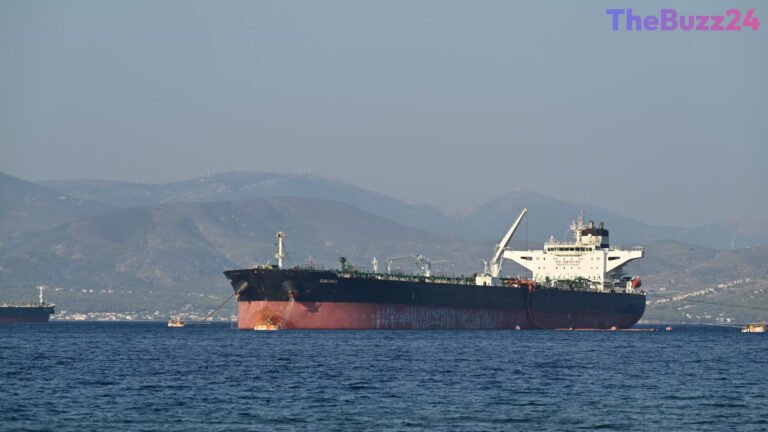
For Tehran, a return to peace under current conditions offers little relief from international sanctions, naval blockades, and exclusion from global energy markets. By keeping the conflict alive—specifically through disruptions in the Strait of Hormuz and influence over regional proxies—Iran forces global powers to contend with its demands. This strategy aims to reshape diplomatic norms, effectively signaling that international shipping should operate under rules influenced by Iranian interests rather than a return to pre-conflict conditions.
Domestic factors also play a critical role in this high-stakes gamble. Facing significant inflation, unemployment, and public dissatisfaction, the Iranian leadership may find that external conflict serves as a tool to consolidate national support and justify heightened security measures. However, this approach is fraught with danger. While Tehran seeks to calibrate its aggression to avoid an all-out war, the risk of miscalculation remains high. As regional players like Saudi Arabia become increasingly involved, the potential for a localized conflict to spiral into a broader, uncontrollable regional crisis grows, threatening to undermine the very leverage Iran hopes to maintain.
Key Takeaways
- Iran may view a limited, controlled conflict as a strategic tool to maintain leverage that would be lost under a stagnant peace agreement.
- The strategy aims to force international recognition of Iranian influence over global shipping routes like the Strait of Hormuz.
- Domestic economic instability and public pressure may be driving the government to use external conflict as a means of political consolidation.
Editor’s Analysis & Impact
The current U.S.-Iran dynamic represents a classic ‘brinkmanship’ scenario where both sides are attempting to manage escalation to avoid a full-scale regional war. From a market perspective, this creates a permanent ‘risk premium’ on global energy prices, as the Strait of Hormuz remains a critical chokepoint. The long-term implication is a potential shift in global trade security architecture; if Iran successfully forces a change in how shipping is governed, it could permanently alter the geopolitical landscape of the Middle East. However, the outlook remains precarious. The primary risk is that ‘controlled’ conflicts are notoriously difficult to contain. Should the threshold of violence cross a certain point, the resulting supply chain disruptions and military responses could trigger a significant global economic downturn, forcing even neutral regional powers to abandon their non-interventionist stances.
Frequently Asked Questions
Q: Why would Iran choose conflict over a peaceful resolution?
A: Iran may believe that a ceasefire would leave it in a position of permanent economic isolation, whereas a limited conflict allows it to exert pressure on global energy markets and force diplomatic concessions.
Q: What are the primary risks of this 'limited war' strategy?
A: The main risk is miscalculation. A conflict that is intended to be controlled can easily spiral into an all-out war, which would be devastating for Iran's infrastructure and could draw in other regional and global powers.
AI Disclosure: This article is based on verified data and official reports. Our Team and AI have cross-referenced every financial detail with primary sources to ensure total accuracy.
More from this Category