The Tug-of-War Over East Africa’s Second-Hand Clothing Trade
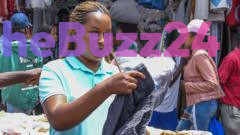
East Africa is currently navigating a complex economic dilemma as it attempts to balance the growth of its local fashion industry against the massive influx of imported second-hand clothing. Known locally as ‘mitumba,’ these garments—sourced largely from the US, Europe, and China—have become a staple in markets like Gikomba in Kenya and Ilala in Tanzania. While local designers argue that the saturation of cheap, used items makes it impossible to compete on price, the trade provides a vital livelihood for millions of people across the region, ranging from market vendors to tailors and logistics workers.
Governments in the East African Community (EAC) have taken varying approaches to address this dependency. Uganda recently introduced a 30% environmental levy on used clothing imports, aiming to curb waste and incentivize domestic production. Kenya, while already applying a 30% customs duty on used goods, has faced significant public backlash whenever it attempts to further increase taxes, as citizens rely on these affordable, high-quality items for their daily needs. The debate is further complicated by the fact that many of these imported clothes are of such low quality that they quickly become textile waste, overwhelming local landfills that lack the infrastructure for proper disposal.
International trade pressures have also played a significant role in shaping policy. A previous attempt by the EAC to implement a regional ban on used clothing was met with threats from the US, which warned that such measures could jeopardize access to duty-free trade agreements. While Rwanda proceeded with aggressive tax hikes on used clothing, the move highlighted a persistent challenge: when second-hand options are restricted, consumers often pivot to cheap, new fast-fashion imports from Asia rather than locally manufactured goods. This has led many experts to conclude that simply restricting imports is insufficient without a robust, long-term strategy to modernize local textile manufacturing and build competitive, high-quality domestic brands.
AI Disclosure: This article is based on verified data and official reports. Our AI have cross-referenced every financial detail with primary sources to ensure total accuracy.
More from this Category