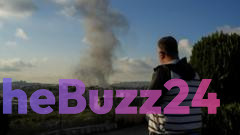
Deadly Israeli Airstrikes Rock Southern Lebanon, Claiming 13 Lives Amidst Ceasefire Tensions
Southern Lebanon was the scene of intense Israeli airstrikes on Friday, resulting in the deaths of at least 13 individuals, including four women and a child, according to the Lebanese health ministry. The attacks, which struck multiple locations, underscore the volatile security situation in the region despite ongoing diplomatic efforts.
In the Nabatieh district, the town of Haboush was particularly hard-hit, with eight fatalities reported, including two women and a child. This area had previously received an evacuation order from the Israel Defense Forces (IDF). Further casualties were reported in Zrarieh, Sidon district, where four people, including two women, lost their lives. Another individual was killed in Ain Baal, Tyre district. In total, 32 people sustained injuries during the day’s hostilities.
The recent escalation comes as fighting between Israel and Hezbollah has persisted, challenging a three-week ceasefire extension. Hezbollah stated on Saturday that it had targeted Israeli soldiers and military vehicles within Lebanon. The IDF confirmed the death of one of its soldiers in southern Lebanon on Thursday, bringing the total number of Israeli troop fatalities since early March to 17.
These events unfold against a backdrop of complex diplomatic maneuvers. An initial 10-day pause in hostilities was established in April following talks in Washington, marking the first high-level engagement between Israel and Lebanon since 1993. A subsequent three-week ceasefire extension was announced by US President Donald Trump, who expressed optimism about the ongoing dialogue and pledged US support for Lebanon’s security against Hezbollah. While the truce has largely reduced strikes on Beirut, conflict continues in the southern regions, marked by air raids and evacuation directives.
Key Takeaways
- At least 13 people, including women and a child, were killed in Israeli airstrikes in southern Lebanon.
- The strikes occurred despite a three-week ceasefire extension, highlighting ongoing tensions between Israel and Hezbollah.
- The conflict has resulted in significant casualties on both sides and ongoing diplomatic efforts to de-escalate the situation.
Editor’s Analysis & Impact
The recent deadly Israeli airstrikes in southern Lebanon serve as a stark reminder of the persistent fragility of the region’s security landscape. Despite diplomatic interventions and ceasefire extensions, the conflict between Israel and Hezbollah continues to exact a heavy toll on civilian lives and infrastructure. The ongoing hostilities underscore the deep-seated animosity and the complex geopolitical factors at play. The effectiveness of future ceasefires will likely depend on the commitment of all parties involved and the sustained engagement of international mediators. The broader implications include potential regional destabilization and the continued humanitarian crisis in affected areas, necessitating urgent international attention and robust diplomatic solutions.
Frequently Asked Questions
Q: What is the current status of the ceasefire between Israel and Hezbollah?
A: A three-week ceasefire extension was announced, but fighting has persisted in southern Lebanon, indicating challenges in fully adhering to the truce.
Q: What are the reported casualties from the recent Israeli airstrikes?
A: The Lebanese health ministry reported at least 13 deaths, including four women and a child, and 32 injuries from Israeli airstrikes in southern Lebanon on Friday.
Q: What is the historical context of the conflict?
A: The conflict has a long history, with recent escalations following retaliatory attacks after broader regional incidents. Previous ceasefires have been established, but often followed by renewed hostilities.
AI Disclosure: This article is based on verified data and official reports. Our Team and AI have cross-referenced every financial detail with primary sources to ensure total accuracy.
More from this Category