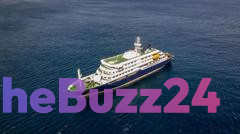
Deadly Hantavirus Outbreak Confirmed on Atlantic Cruise Ship
A severe hantavirus outbreak has led to three confirmed deaths among passengers aboard the MV Hondius cruise ship, currently navigating the Atlantic Ocean. The World Health Organization (WHO) has confirmed the fatalities and is actively involved in managing the situation, which began during the ship’s voyage from Argentina to Cape Verde.
Initial reports indicated one confirmed case and five suspected infections. Among the deceased are a 70-year-old Dutch man who fell ill with symptoms including fever, headache, abdominal pain, and diarrhea, dying upon arrival at St. Helena, a British territory. His 69-year-old wife also became ill and was transported to South Africa for treatment, where she later passed away in a Johannesburg hospital. A third fatality was reported to be on board the vessel, with discussions ongoing regarding the isolation of two other sick passengers in Cape Verde.
Hantavirus, typically transmitted to humans through contact with infected rodent urine or feces, can cause severe respiratory illness and, in rare instances, human-to-human transmission. The MV Hondius, operated by Oceanwide Expeditions, is a polar cruise ship equipped to carry 170 passengers and 57 crew members, along with guides and a doctor. Approximately 150 tourists from various nations were on board the vessel when the outbreak occurred.
The WHO is collaborating with member states and the ship’s operators to facilitate medical evacuations and conduct a comprehensive public health risk assessment for those still on board. The ship’s itinerary included a departure from Ushuaia, Argentina, on March 20th, with an expected arrival in Cape Verde on May 4th, before potentially continuing to Spain’s Canary Islands.
Key Takeaways
- Three individuals have died due to a suspected hantavirus outbreak on the MV Hondius cruise ship.
- The outbreak occurred during a voyage from Argentina to Cape Verde, with passengers from various countries aboard.
- The WHO is coordinating medical evacuations and public health assessments for passengers and crew.
Editor’s Analysis & Impact
This incident highlights the persistent risks associated with infectious diseases, even in controlled environments like cruise ships. The rapid spread and fatality rate of hantavirus underscore the importance of stringent health protocols and swift international cooperation in managing outbreaks. The cruise industry, a significant sector of the travel economy, will likely face increased scrutiny regarding its onboard health measures. Future voyages may see enhanced screening and response capabilities to mitigate such health crises, impacting both operational costs and passenger confidence.
Frequently Asked Questions
Q: How is hantavirus transmitted?
A: Hantavirus is primarily transmitted to humans through contact with the urine, feces, or saliva of infected rodents. In rare cases, it can spread from person to person.
Q: What are the symptoms of hantavirus infection?
A: Initial symptoms can include fever, headache, muscle aches, and gastrointestinal issues like nausea, vomiting, diarrhea, and abdominal pain. As the illness progresses, it can lead to severe respiratory problems.
Q: What is being done to manage the outbreak on the MV Hondius?
A: The World Health Organization (WHO) is working with ship operators and relevant countries to coordinate medical evacuations, provide support to those on board, and conduct a public health risk assessment.
AI Disclosure: This article is based on verified data and official reports. Our Team and AI have cross-referenced every financial detail with primary sources to ensure total accuracy.
More from this Category