Leadership Transition: John Ternus to Succeed Tim Cook as Apple CEO
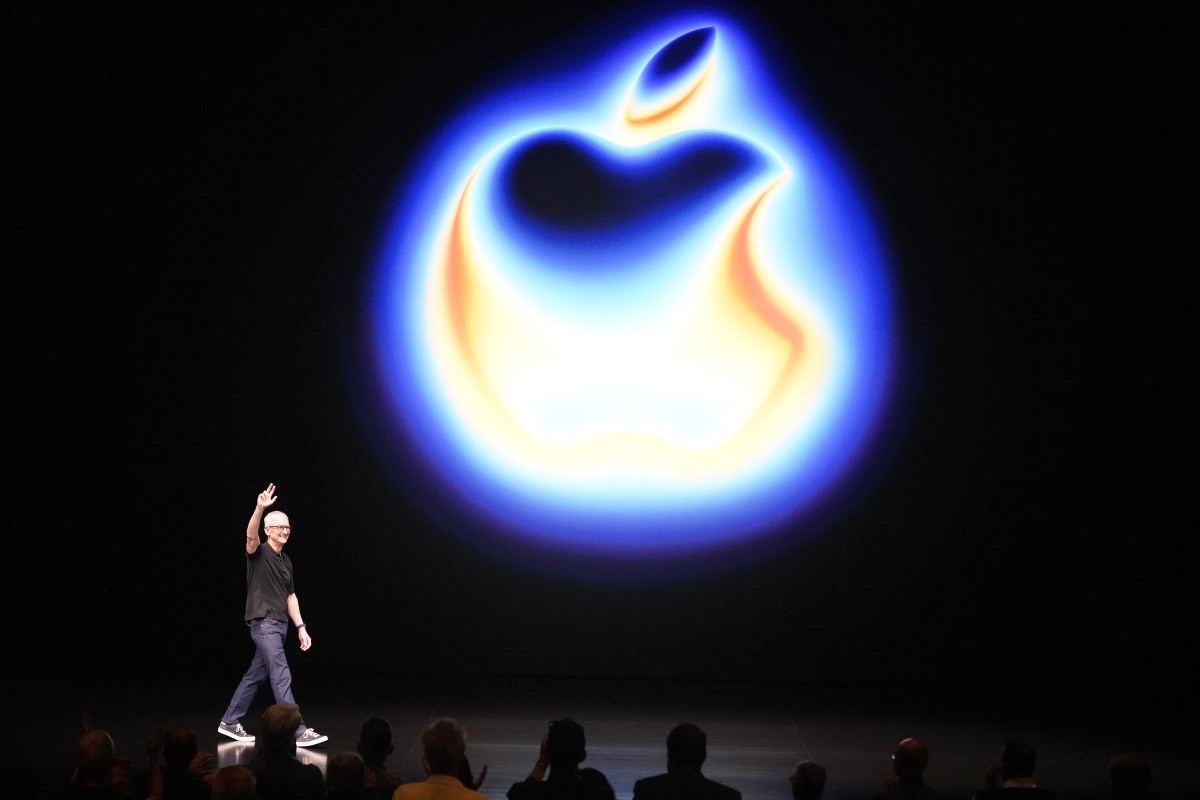
Apple is preparing for a monumental shift in its corporate leadership as long-time CEO Tim Cook announces his departure, effective September 1. John Ternus, the current Senior Vice President of Hardware Engineering, has been selected to lead the technology giant into its next chapter. Cook’s exit concludes a transformative 14-year tenure that saw Apple evolve from a hardware-centric manufacturer into a global financial powerhouse with a market valuation surpassing $4 trillion.
Since succeeding co-founder Steve Jobs in 2011, Cook has presided over a period of extraordinary growth. Under his stewardship, the company’s market capitalization climbed from approximately $350 billion to its current multi-trillion-dollar standing. This era was marked by operational precision, the expansion of the company’s global retail presence, and the development of the iconic Apple Park headquarters. Cook also spearheaded significant investments in U.S. infrastructure and manufacturing, solidifying the company’s domestic footprint.
Beyond financial success, Cook expanded Apple’s product ecosystem through the introduction of industry-defining devices like the Apple Watch and AirPods. He also oversaw the aggressive scaling of the services division, which now includes Apple Pay, Apple Music, and Apple TV+, generating over $109 billion in annual revenue by 2025. A critical strategic achievement during his time was the transition to proprietary Apple Silicon, which provided the company with a significant performance edge across its Mac lineup.
As Ternus assumes the role of CEO, he inherits a company at a pivotal technological juncture. While Apple has made significant investments in spatial computing via the Vision Pro and recently debuted Apple Intelligence, the firm remains under pressure to maintain its competitive edge in generative AI. By integrating Google’s Gemini into its ecosystem, Apple is actively positioning itself to navigate the complexities of the modern AI landscape while upholding the rigorous standards of hardware and software integration that became the hallmark of the Cook era.
Key Takeaways
- Tim Cook will officially step down as Apple CEO on September 1, with hardware engineering veteran John Ternus named as his successor.
- During Cook's 14-year tenure, Apple's market valuation grew from $350 billion to over $4 trillion.
- The incoming leadership faces the challenge of maintaining Apple's market dominance while accelerating advancements in generative AI and spatial computing.
Editor’s Analysis & Impact
The transition from Tim Cook to John Ternus marks a strategic pivot from a leadership style defined by operational mastery to one rooted in product-focused engineering. Cook’s legacy is cemented by his ability to scale supply chains and build a massive, recurring revenue stream through services, turning Apple into a financial juggernaut. However, Ternus inherits a landscape where hardware alone is no longer the primary differentiator. The market is currently fixated on artificial intelligence, a sector where Apple is working to prove its long-term viability. Ternus’s deep background in hardware engineering suggests that Apple will likely double down on the synergy between custom silicon and AI-driven features. Investors will be closely monitoring whether Ternus can preserve the company’s industry-leading profit margins while navigating the capital-intensive race to dominate generative AI and spatial computing.
Frequently Asked Questions
Q: Who is replacing Tim Cook as Apple CEO?
A: John Ternus, who currently serves as Apple's Senior Vice President of Hardware Engineering, will take over as CEO on September 1.
Q: What was a major strategic shift during Tim Cook's tenure?
A: A pivotal move was the transition from Intel processors to proprietary Apple Silicon chips, which significantly improved the performance and efficiency of the Mac lineup.
AI Disclosure: This article is based on verified data and official reports. Our Team and AI have cross-referenced every financial detail with primary sources to ensure total accuracy.
More from this Category