The Post-Cook Era: Apple’s Strategic Pivot Amid Regulatory and Ecosystem Challenges
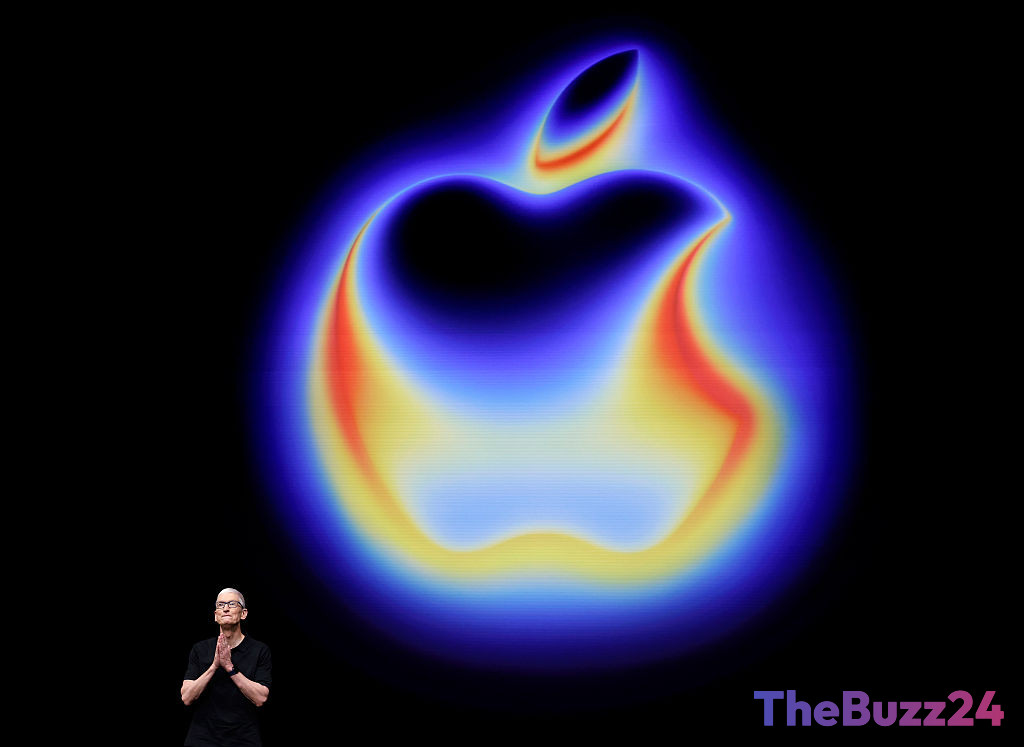
As speculation intensifies regarding the eventual leadership transition at Apple, industry observers are closely monitoring how the company will navigate a shifting technological landscape. Should John Ternus or another successor take the helm, they will inherit a corporate structure that has thrived under Tim Cook’s tenure but now faces unprecedented external pressures. The challenge lies in maintaining the company’s signature integration of hardware and software while adapting to a global environment that is increasingly hostile toward closed ecosystems.
Central to these challenges is the sustainability of Apple’s current revenue models. The company’s long-standing 30% commission structure on the App Store is currently the subject of rigorous legal and regulatory scrutiny across multiple jurisdictions. As authorities push for more open digital marketplaces, Apple’s ability to dictate terms to third-party developers is being systematically eroded. This shift threatens to disrupt a core pillar of the company’s financial success, forcing leadership to reconsider how it monetizes its massive user base.
Beyond regulatory hurdles, the next generation of Apple leadership must contend with a fundamental change in how users interact with technology. The rise of more dynamic, user-centric application models is challenging the traditional, tightly controlled environment that Apple has meticulously cultivated. Balancing the need for continued innovation with the necessity of complying with global antitrust mandates will be the defining task for the next CEO, as the company seeks to preserve its market dominance in an era of heightened competition and platform fragmentation.
Key Takeaways
- Apple faces significant regulatory pressure regarding its App Store commission model and ecosystem control.
- The potential leadership transition from Tim Cook to a successor like John Ternus marks a critical juncture for the company's future strategy.
- The company must balance its signature closed-ecosystem approach with the growing demand for more open and dynamic digital platforms.
Editor’s Analysis & Impact
Apple is currently at a strategic inflection point where its historical strength—a tightly integrated, proprietary ecosystem—has become its greatest regulatory liability. The transition of leadership will likely coincide with a period of forced evolution, as global antitrust sentiment shifts from mere observation to active intervention. If Apple cannot successfully pivot its revenue model away from heavy reliance on App Store commissions, it risks significant margin compression. However, the company’s massive installed base remains a formidable moat. The future outlook depends on whether the next CEO can maintain the brand’s premium status while transitioning toward a more interoperable, service-oriented model that satisfies regulators without alienating the core user base that drives its hardware sales.
Frequently Asked Questions
Q: Why is Apple's App Store model under scrutiny?
A: Regulators and developers are challenging Apple's 30% commission fee and its strict control over app distribution, arguing that these practices constitute anti-competitive behavior.
Q: Who is considered a potential successor to Tim Cook?
A: Industry veteran John Ternus is frequently cited by analysts as a leading candidate to eventually take over the leadership role at Apple.
AI Disclosure: This article is based on verified data and official reports. Our Team and AI have cross-referenced every financial detail with primary sources to ensure total accuracy.
More from this Category