The Cook Era Ends: Reflecting on Apple’s Transformation into a $4 Trillion Titan
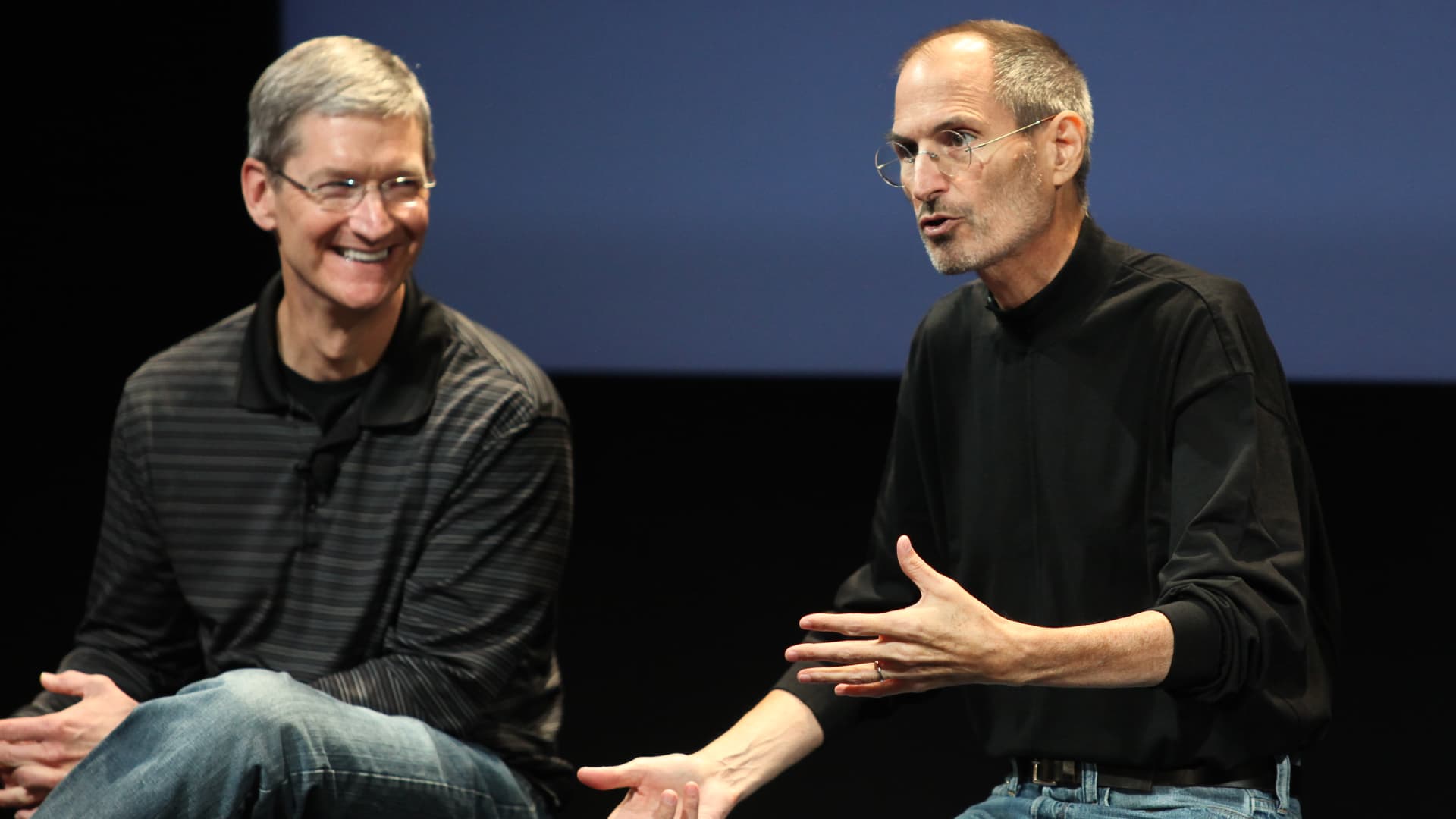
Tim Cook is preparing to step down as CEO of Apple on September 1, marking the conclusion of a transformative 15-year leadership period. He will be succeeded by John Ternus, a seasoned hardware executive. Cook’s tenure is widely recognized for driving extraordinary financial expansion, with the company’s market valuation climbing from roughly $350 billion to an unprecedented $4 trillion. While his predecessor, Steve Jobs, was known for pioneering product breakthroughs, Cook established a legacy defined by rigorous operational efficiency and the massive scaling of Apple’s global influence.
During his time at the helm, Cook successfully transitioned Apple from a company primarily focused on hardware into a diversified services powerhouse. Although the iPhone remains the company’s flagship product, the strategic push into services—such as Apple TV, Apple Pay, and various cloud-based subscriptions—has created high-margin revenue streams that have significantly bolstered investor confidence. This pivot helped Apple achieve annual revenues surpassing $400 billion, even as the company faces a more crowded market for wearables like the Apple Watch and AirPods.
A cornerstone of Cook’s strategy was his unparalleled management of the global supply chain. He skillfully navigated geopolitical challenges and fluctuating trade policies by diversifying manufacturing operations away from a sole reliance on China, expanding into regions like India and Vietnam. Simultaneously, he maintained a focus on domestic resilience through investments in American manufacturing. As Apple transitions to new leadership, the industry is watching closely to see how the company will balance its established operational scale with the need for future innovation.
Key Takeaways
- Tim Cook will step down as Apple CEO on September 1, with John Ternus set to take over the leadership role.
- Under Cook's guidance, Apple's market capitalization grew from $350 billion to $4 trillion, driven by a shift toward high-margin services.
- Cook successfully diversified Apple's global supply chain, reducing reliance on China by expanding manufacturing into India and Vietnam.
Editor’s Analysis & Impact
Tim Cook’s departure marks the end of a pivotal chapter in corporate history. His ability to scale a consumer electronics company into a $4 trillion services-oriented behemoth is a masterclass in operational management. By shifting the focus toward recurring revenue through services, Cook insulated Apple from the cyclical nature of hardware sales. However, the incoming leadership faces a distinct set of challenges: maintaining growth in a saturated smartphone market and navigating the next wave of technological disruption, particularly in artificial intelligence. The transition to John Ternus suggests a continued emphasis on hardware engineering, yet the market will be looking for signs of how the company intends to maintain its premium margins while competing against increasingly agile global rivals. The long-term outlook remains strong, provided the company can successfully integrate new innovations without compromising its disciplined supply chain model.
Frequently Asked Questions
Q: Who is replacing Tim Cook as the CEO of Apple?
A: John Ternus, who currently serves as a hardware executive at Apple, is set to succeed Tim Cook as CEO on September 1.
Q: What was the primary focus of Tim Cook's strategy at Apple?
A: Cook's strategy focused on operational excellence, the diversification of the global supply chain, and a significant pivot toward high-margin services like Apple TV, Apple Pay, and cloud subscriptions.
AI Disclosure: This article is based on verified data and official reports. Our Team and AI have cross-referenced every financial detail with primary sources to ensure total accuracy.
More from this Category