Life in Limbo: The Humanitarian Crisis Facing Civilians in Oleshky
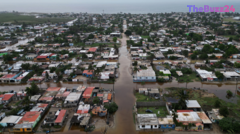
The southern Ukrainian city of Oleshky has become a symbol of the harrowing human cost of the ongoing conflict. Approximately 2,000 residents remain trapped within the city limits, enduring a landscape of decay and isolation. With supply chains for food and medicine severed for months, those remaining are forced to scavenge through abandoned properties just to secure basic necessities for survival. Situated on the left bank of the Dnipro River, the city has remained under Russian occupation since the onset of the full-scale invasion, leaving its population caught in a dangerous military stalemate.
Attempts to escape the city have proven to be life-threatening endeavors. Primary exit routes have earned the grim moniker ‘Road of Death’ due to the prevalence of landmines and the remnants of vehicles destroyed while attempting to flee. Satellite imagery and local reports confirm that the roads are scarred by the wreckage of civilian cars and emergency vehicles, serving as a stark deterrent for those hoping to reach safety. While occasional volunteer-led evacuation efforts have managed to extract some individuals, the process remains fraught with extreme danger.
Inside Oleshky, the humanitarian situation is further complicated by the tactical positioning of occupying forces, who have reportedly repurposed residential basements as shelters against drone strikes. The city’s infrastructure, already devastated by persistent shelling, was further crippled by the catastrophic flooding following the destruction of the Kakhovka Dam. Despite urgent warnings from human rights officials regarding the deteriorating conditions, the establishment of a secure humanitarian corridor remains elusive.
For many, the choice to stay is not a matter of preference but of necessity. While some residents are desperate to leave, others—particularly the elderly and infirm—remain tethered to their homes, resigned to their circumstances amidst the ruins. The daily reality for those in Oleshky is defined by the constant hum of overhead drones, the pervasive threat of unexploded ordnance, and the profound uncertainty of survival in a city effectively imprisoned by the front lines of war.
Key Takeaways
- Approximately 2,000 civilians remain trapped in Oleshky, facing severe shortages of food, medicine, and basic supplies.
- Escape routes from the city are heavily mined and littered with destroyed vehicles, making evacuation attempts extremely dangerous.
- The city's infrastructure has been decimated by a combination of ongoing shelling and the environmental catastrophe caused by the Kakhovka Dam collapse.
Editor’s Analysis & Impact
The situation in Oleshky serves as a microcosm of the broader humanitarian catastrophe unfolding in occupied territories. The strategic importance of the Dnipro River’s left bank has turned residential areas into tactical buffers, leaving non-combatants in a state of permanent vulnerability. From a geopolitical perspective, the inability to establish humanitarian corridors underscores the breakdown of international norms regarding civilian protection in active conflict zones. The long-term implications are severe: as infrastructure continues to degrade, the potential for a total collapse of basic services increases, likely leading to further displacement or increased mortality among the most vulnerable demographics. Future recovery efforts will face immense challenges, not only due to the physical destruction of the city but also the psychological trauma inflicted upon the remaining population, which will require years of international support and reconstruction efforts to address.
Frequently Asked Questions
Q: Why is it so difficult for civilians to leave Oleshky?
A: Civilians face extreme danger due to the presence of landmines on exit routes and the risk of being caught in active combat zones, with many roads blocked by the wreckage of previous failed evacuation attempts.
Q: What has contributed to the destruction of infrastructure in Oleshky?
A: The city's infrastructure has been severely damaged by persistent military shelling and the catastrophic flooding that followed the destruction of the Kakhovka Dam.
AI Disclosure: This article is based on verified data and official reports. Our Team and AI have cross-referenced every financial detail with primary sources to ensure total accuracy.
More from this Category