Trade Tensions Escalate as U.S. Threatens South Korea with Tariffs Over Coupang Regulatory Dispute
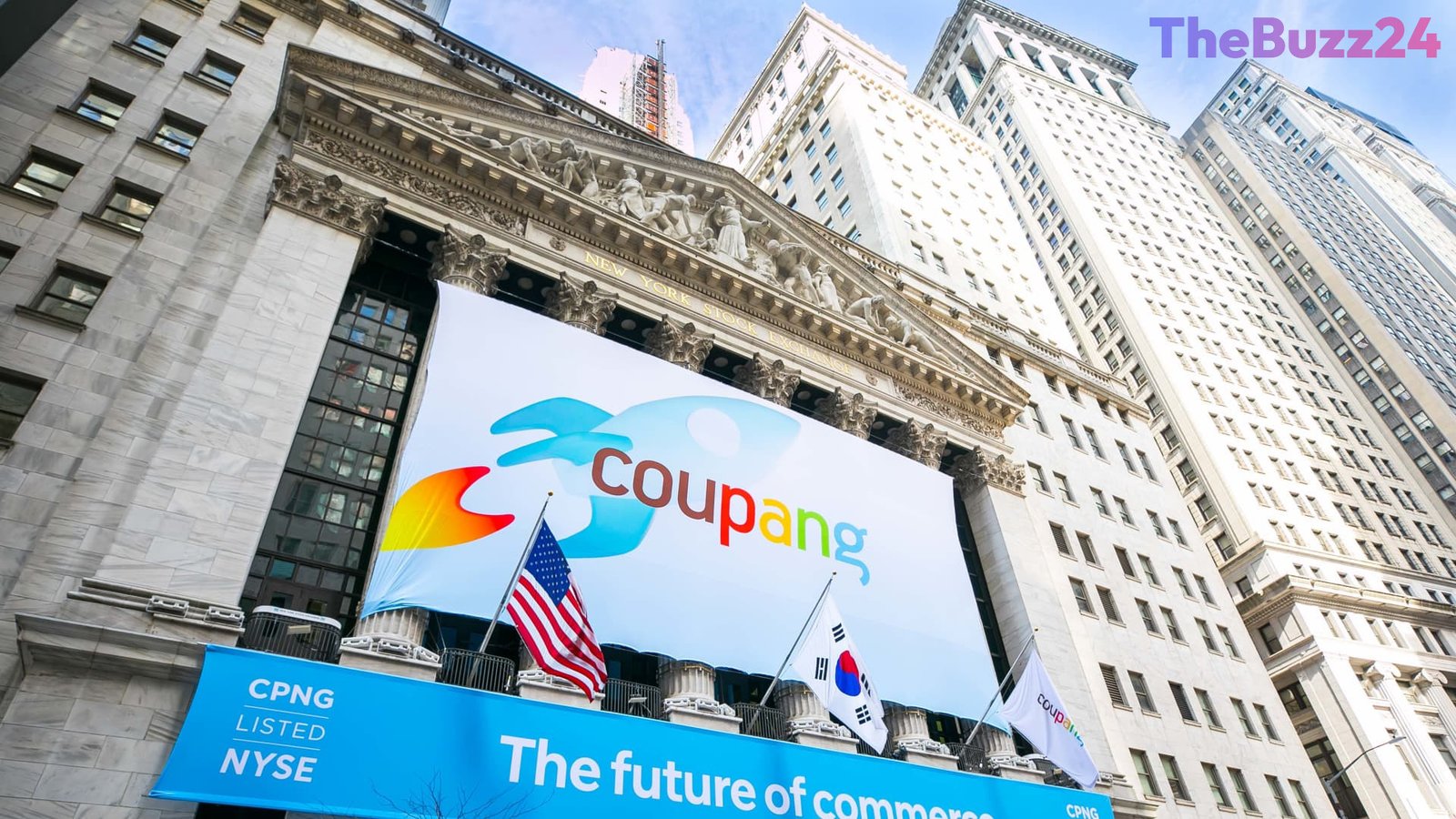
A growing diplomatic rift between Washington and Seoul is threatening to disrupt the crucial U.S.-South Korea alliance, with American lawmakers warning of potential retaliatory tariffs. At the heart of the escalating friction is the South Korean government’s aggressive regulatory actions against Seattle-headquartered e-commerce giant Coupang following a controversial 2025 data breach. While South Korean officials defend their actions as necessary consumer protection, U.S. congressional investigators and industry advocates characterize the response as a targeted, discriminatory campaign against an American enterprise.
The dispute stems from a data breach initiated by a former employee, a Chinese national, which Coupang maintains had a minimal impact affecting roughly 3,000 accounts. In contrast, South Korean regulators claim the breach exposed the personal details of over 37 million citizens, leading them to levy a record-breaking 625 billion won ($409 million) fine and threaten criminal charges against Coupang’s leadership. Adding a bizarre twist to the geopolitical drama, a U.S. House Judiciary Committee report revealed that South Korea’s National Intelligence Service allegedly pressured Coupang to hire divers for a covert mission to retrieve a laptop from a river in Shanghai. While Seoul has dismissed these allegations as ‘entirely unfounded,’ internal company memos and call logs suggest extensive coordination between Coupang and South Korean national security officials.
The regulatory crackdown has sparked bipartisan outrage on Capitol Hill, where lawmakers are urging the White House to take decisive action. Senator Bernie Moreno has formally requested a Section 301 investigation into South Korea’s trade practices, which could pave the way for punitive tariffs. Major institutional investors, including Greenoaks Capital Partners, have also petitioned the U.S. Trade Representative to investigate whether Seoul is violating the antidiscrimination clauses of the bilateral trade agreement. The friction comes at a delicate time for the alliance, as negotiations over a $350 billion trade and investment pact have stalled, and President Donald Trump has previously threatened new import duties on South Korean goods.
Despite assertions from the South Korean embassy in Washington that the bilateral alliance remains ‘stronger than ever,’ the Coupang controversy highlights a broader pattern of regulatory friction facing American tech firms in the country. Companies like Google and Netflix have previously faced scrutiny from South Korean regulators, but observers note that the intensity of the campaign against Coupang is unprecedented. As Washington considers legislative remedies—including proposed bills to penalize foreign officials engaging in economic discrimination—the resolution of this corporate dispute could set a critical precedent for how the U.S. protects its commercial interests abroad.
Key Takeaways
- A regulatory dispute over a data breach at e-commerce giant Coupang has severely strained diplomatic and trade relations between the United States and South Korea.
- U.S. lawmakers and investors are pushing for a formal Section 301 investigation, raising the prospect of retaliatory tariffs if South Korea does not ease its regulatory pressure.
- The conflict features extraordinary allegations, including claims that South Korean intelligence forced Coupang to execute a covert diving mission in China to retrieve a compromised laptop.
Editor’s Analysis & Impact
The escalating dispute between Washington and Seoul over Coupang highlights a growing trend of ‘regulatory nationalism,’ where foreign governments utilize domestic data privacy and antitrust laws to target dominant American technology firms. For South Korea, policing a massive data breach is framed as a matter of national consumer sovereignty. However, for the U.S., the disproportionate scale of the penalties—including a record $409 million fine—looks like protectionism disguised as regulation. If the U.S. Trade Representative initiates a Section 301 investigation, it could trigger a tit-for-tat tariff war, undermining the broader geopolitical alliance in East Asia. Investors should prepare for heightened regulatory risks in South Korea, particularly for foreign-headquartered digital platforms. Ultimately, this case demonstrates that corporate data security is no longer just an IT issue, but a high-stakes lever in international trade diplomacy.
Frequently Asked Questions
Q: Why is the U.S. government intervening in a dispute involving Coupang?
A: Although Coupang operates primarily in South Korea, it is headquartered in Seattle, Washington, and has significant American investment. U.S. lawmakers argue that South Korea's aggressive regulatory actions and record-breaking fines constitute discriminatory treatment against an American enterprise, violating bilateral trade commitments.
Q: What was the controversial covert mission mentioned in the congressional report?
A: Congressional investigators allege that South Korea's National Intelligence Service instructed Coupang to hire professional divers to retrieve a laptop from a river in Shanghai. The laptop had been discarded by a disgruntled former employee who was responsible for the company's data breach. South Korea denies coercing the company, calling the claims unfounded.
Q: What are the potential economic consequences of this dispute?
A: If the dispute remains unresolved, the U.S. could launch a formal Section 301 trade investigation. This could lead to the imposition of retaliatory tariffs on South Korean imports, further stalling bilateral trade agreements and complicating joint military and security alliances.
AI Disclosure: This article is based on verified data and official reports. Our Team and AI have cross-referenced every financial detail with primary sources to ensure total accuracy.
More from this Category