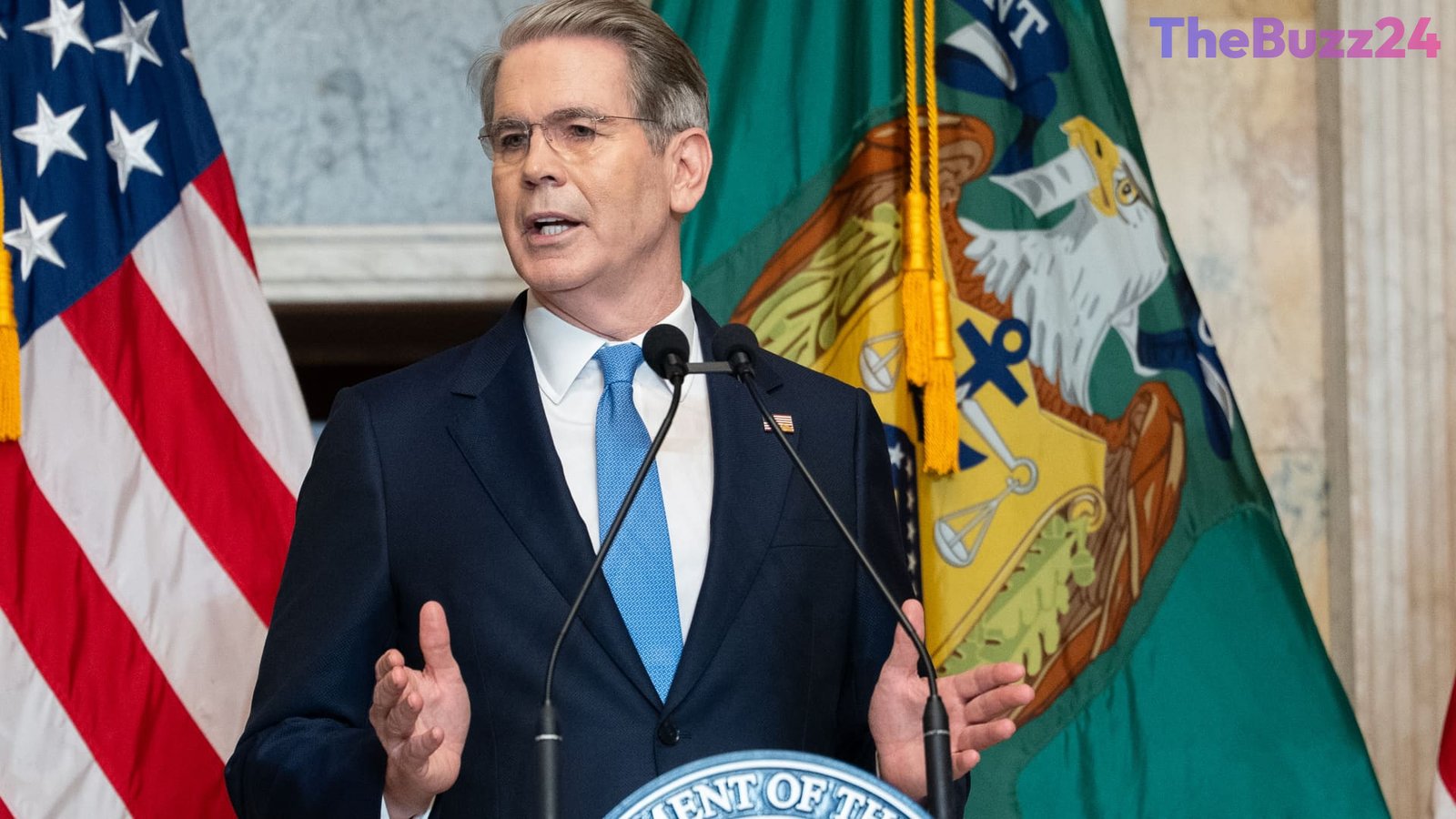
Treasury Intervenes to Curb Yields, Sparking Fed Tensions and Inflation Concerns
The U.S. Treasury Department has initiated a significant effort to reduce long-term Treasury yields, a move that has immediately impacted bond markets but also raised concerns among economists and created potential friction with the Federal Reserve. Treasury Secretary Scott Bessent’s strategy involves increasing buybacks of long-term debt and a broader shift towards issuing more short-term bills, aiming to stabilize the market after a recent sell-off pushed yields to elevated levels.
On Wednesday, the Treasury announced it would increase its maximum long-term debt buybacks from $2 billion to at least $4 billion. This intervention quickly stemmed a sell-off in the Treasury market, which had seen yields rise to what many considered uncomfortable levels, sparking worries about consumer affordability, business borrowing costs, and the government’s debt financing. While the buybacks are modest compared to the total outstanding debt, market participants interpret them as a strong signal of Bessent’s long-standing focus on lowering yields, particularly on the 10-year Treasury.
However, this approach is not without its critics. Experts warn that such a strategy could accelerate inflation, make the nation’s $32.2 trillion debt more vulnerable to future interest rate increases, and exert undue pressure on the independent Federal Reserve to align with fiscal policy. Joseph Brusuelas, principal and chief economist at RSM US, suggested that the central bank might increasingly be expected to support fiscal objectives, potentially leading to market distortions and complicating the work of Fed Chairman Kevin Warsh.
The Treasury’s stated goal for the buybacks is to improve market liquidity for less-traded instruments by removing older, less liquid long-term maturities. Yet, the expectation among many market participants is that these buybacks will be funded by issuing more short-term bills, effectively manipulating the yield curve. This shift is at odds with recommendations from the Treasury Borrowing Advisory Committee (TBAC), an apolitical group of market experts, which has cautioned against politicizing buybacks and altering the debt profile primarily through issuance rather than buybacks. The ongoing tension between the Treasury’s fiscal objectives and the Federal Reserve’s monetary policy independence is expected to be a key topic for Chairman Warsh at the upcoming Jackson Hole symposium.
Key Takeaways
- The U.S. Treasury, under Secretary Scott Bessent, has increased long-term debt buybacks and shifted towards short-term debt issuance to lower Treasury yields and stabilize the bond market.
- This strategy, while aimed at managing government borrowing costs, faces criticism for potentially fueling inflation, increasing the national debt's sensitivity to interest rate changes, and being at odds with expert recommendations.
- The Treasury's actions create tension with the Federal Reserve, as they could complicate Chairman Kevin Warsh's policy-making by distorting market signals and pressuring the Fed to align with fiscal objectives.
Editor’s Analysis & Impact
The Treasury’s aggressive intervention in the bond market marks a significant moment in the interplay between fiscal and monetary policy. While intended to stabilize yields and manage debt costs, this approach risks undermining the Federal Reserve’s independence and its ability to combat inflation effectively. By potentially manipulating the yield curve and increasing reliance on short-term debt, the Treasury could expose the national finances to greater interest rate volatility. The broader implications include a potential erosion of market confidence in the purity of bond pricing signals, making the Fed’s job of setting policy more challenging. This dynamic could lead to increased inflationary pressures and necessitate a more hawkish stance from the central bank in the future, creating a complex economic environment.
Frequently Asked Questions
Q: What recent actions has the Treasury Department taken regarding long-term debt?
A: The Treasury Department has announced an increase in its buybacks of long-term Treasury debt, raising the maximum repurchase amount. This move is part of a broader strategy to lower long-term yields and has been accompanied by a shift towards issuing more short-term bills.
Q: Why are these actions considered controversial by some economists and market participants?
A: Critics argue that while the stated purpose is market liquidity, the actions could be seen as an attempt to manipulate the yield curve. Concerns include the potential for accelerating inflation, making the national debt more vulnerable to interest rate hikes, and pressuring the independent Federal Reserve to support fiscal policy objectives.
Q: How do these Treasury actions impact the Federal Reserve and its policy-making?
A: The Treasury's efforts to suppress long-term yields can complicate the Federal Reserve's work, particularly for Chairman Kevin Warsh, who relies on unfiltered bond market signals for policy setting. It creates a potential conflict between fiscal and monetary objectives, raising questions about the Fed's independence and its ability to manage inflation without external pressure.
AI Disclosure: This article is based on verified data and official reports. Our Team and AI have cross-referenced every financial detail with primary sources to ensure total accuracy.
More from this Category