Treasury Secretary Bessent Rejects Liability Shields for AI Developers
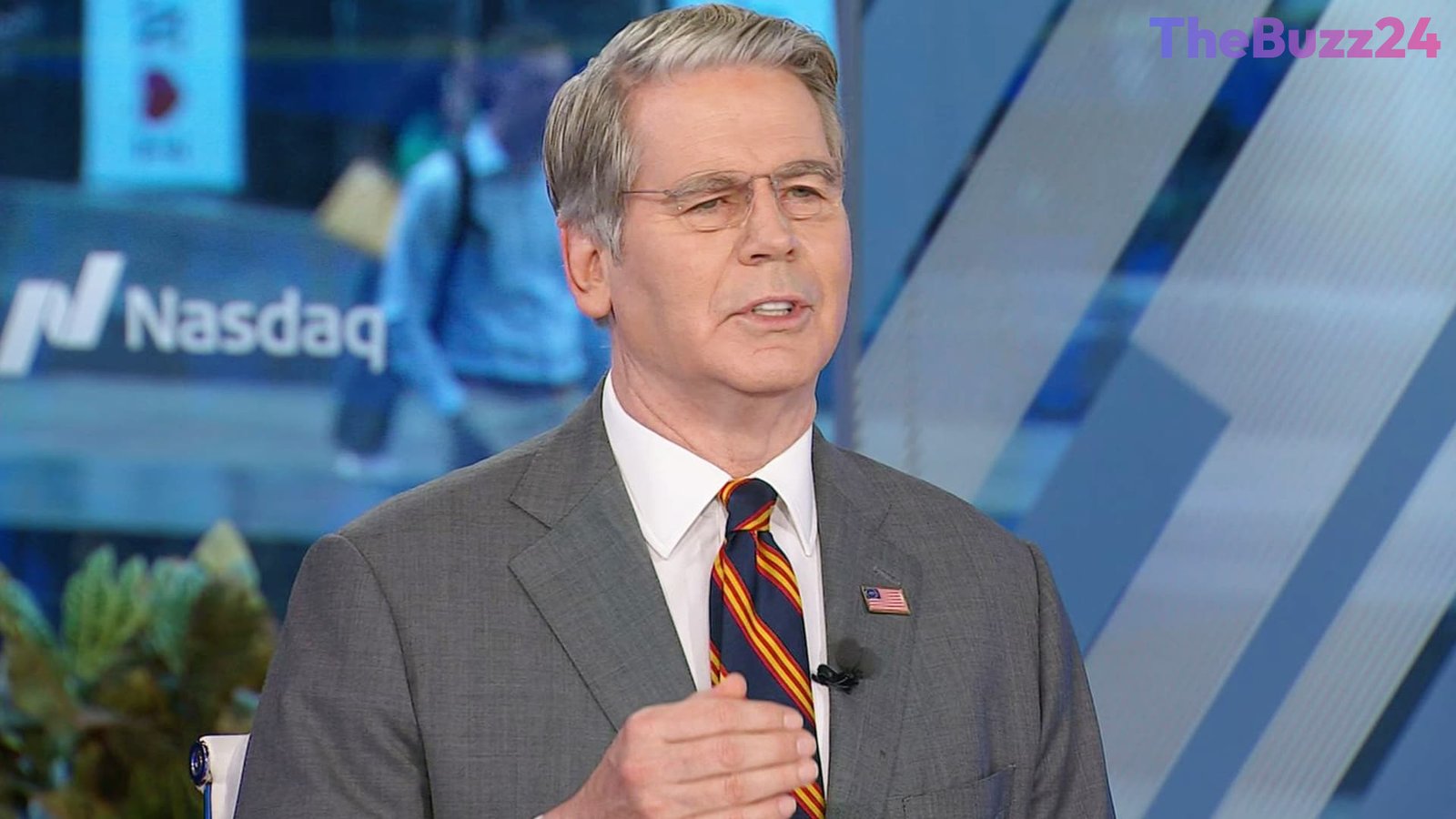
Treasury Secretary Scott Bessent has signaled a firm stance on the burgeoning artificial intelligence sector, asserting that developers must remain fully accountable for their creations. During recent remarks, Bessent emphasized that the federal government has no intention of providing a ‘liability shield’ to AI firms, maintaining that human responsibility must remain the cornerstone of legal and ethical accountability in the industry.
This position aligns with the broader administration strategy, which seeks to foster innovation while avoiding the implementation of restrictive regulatory frameworks that might stifle growth. Despite concerns raised by some industry leaders regarding the potential risks of advanced models, the administration continues to champion the expansion of AI infrastructure and data centers across the United States.
Beyond domestic technology policy, Bessent has been deeply involved in high-level diplomatic discussions, including extensive meetings with Chinese Vice Premier He Lifeng. These talks focused on establishing communication channels for managing AI-related risks, such as cyber threats and biological weapon concerns. The discussions also touched upon the delicate balance of international trade, particularly as the U.S. navigates the expiration of a temporary trade truce with China.
Economic pressures remain a primary focus for the Treasury, as the administration grapples with rising interest rates and the fiscal impact of ongoing geopolitical conflicts. Bessent expressed optimism that interest rates would stabilize once current regional tensions subside, noting that increased oil market supply would likely alleviate inflationary pressures. Meanwhile, the administration continues to defend its controversial media policies, citing concerns over perceived bias in legacy news organizations.
Key Takeaways
- Treasury Secretary Scott Bessent confirmed that the administration will not provide liability protections for AI developers, insisting on human accountability.
- The U.S. and China are working toward establishing formal communication channels to address shared risks associated with advanced AI technologies.
- The administration anticipates that interest rates will decrease once current geopolitical conflicts, specifically the war involving Iran, reach a resolution.
Editor’s Analysis & Impact
The administration’s refusal to grant liability shields to AI developers represents a significant departure from the ‘regulatory capture’ model often seen in other tech sectors. By placing the burden of responsibility squarely on human developers, the government is attempting to balance rapid technological advancement with public safety. However, this approach creates a high-stakes environment for AI firms, which may face significant legal exposure as their models become more autonomous. From a market perspective, the focus on interest rates and the link between geopolitical stability and borrowing costs highlights the fragility of the current economic recovery. Investors should monitor how the administration’s hardline stance on AI liability influences venture capital flow and the pace of corporate adoption, as companies may become more cautious about deploying models that carry significant legal risks.
Frequently Asked Questions
Q: Will the government provide legal protection for AI companies?
A: No, Treasury Secretary Scott Bessent has stated that the administration does not intend to offer a liability shield, emphasizing that human developers must remain responsible for their AI systems.
Q: How does the administration plan to manage AI risks with China?
A: The U.S. and China are in talks to open a direct line of communication to address shared concerns regarding AI, such as cyber threats and the potential for uncontrollable agents.
AI Disclosure: This article is based on verified data and official reports. Our Team and AI have cross-referenced every financial detail with primary sources to ensure total accuracy.
More from this Category