Treasury Secretary Outlines Oversight Plan for Released Iranian Assets
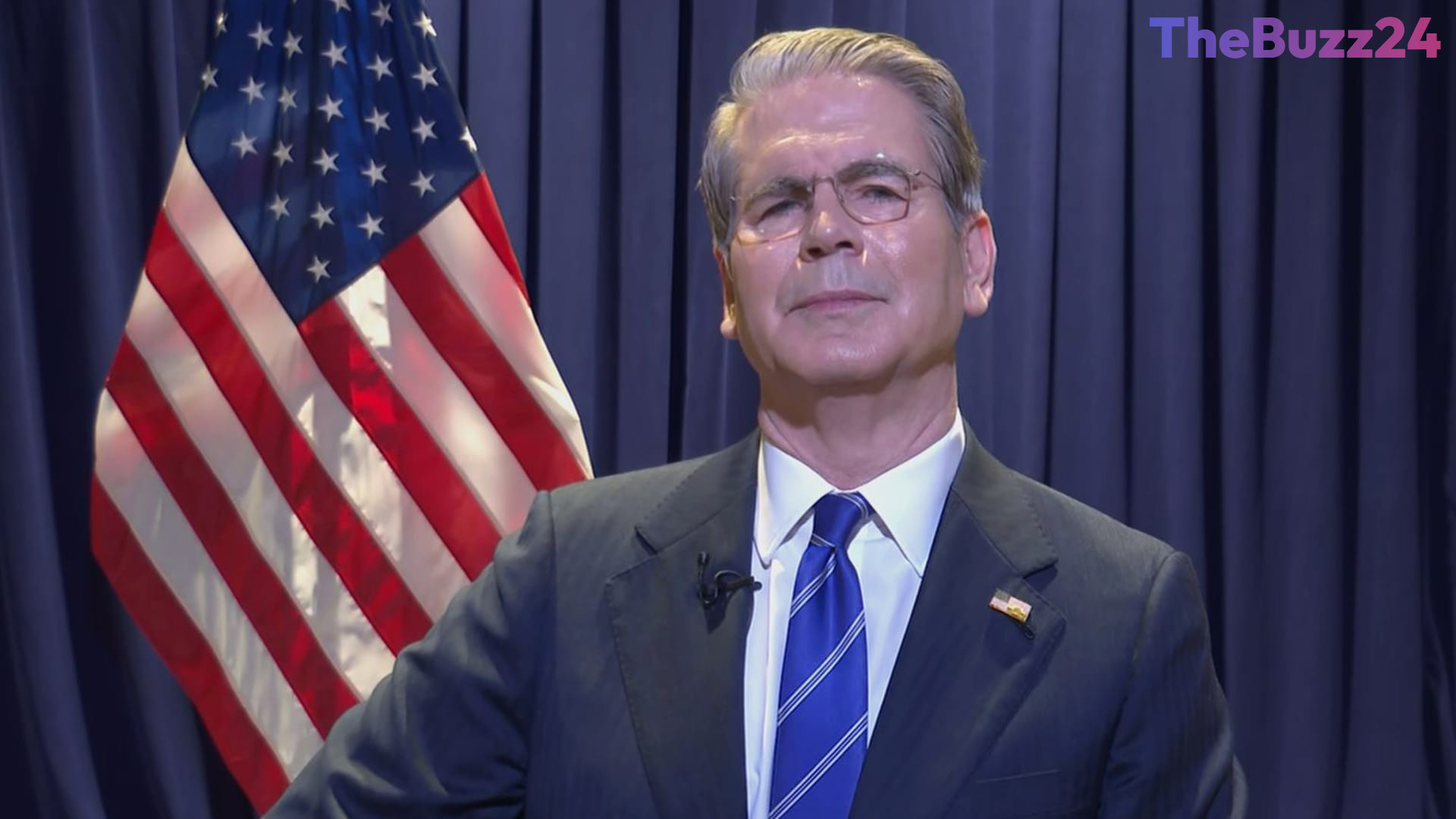
Treasury Secretary Scott Bessent has confirmed that the U.S. Treasury Department will maintain oversight of Iranian assets as they are released under the current interim agreement established by President Donald Trump. The administration intends to ensure that these funds are primarily utilized for the procurement of American agricultural products and pharmaceutical supplies, effectively recycling the capital back into the U.S. economy.
While the administration has framed this arrangement as a way to provide humanitarian relief to the Iranian people while supporting U.S. farmers and medical manufacturers, the logistics of the plan remain a subject of debate. Bessent indicated that Treasury officials stationed in Doha, Qatar, would monitor the allocation of these funds. However, the specific enforcement mechanisms—such as how the U.S. will legally compel Iran to adhere to these spending restrictions—have not been fully disclosed.
This strategy has already encountered resistance from Tehran, where officials have publicly rejected the notion that Washington can dictate the terms of their spending. Iranian representatives have stated that any future purchases will be determined by market factors like price and quality rather than U.S.-imposed conditions. This fundamental disagreement highlights the complexity of the deal, as the administration attempts to balance diplomatic negotiations with strict financial controls.
The agreement has also sparked significant political friction within the United States. Some congressional Republicans have expressed concern that the deal offers too much in terms of sanctions relief and asset access in exchange for a limited 60-day negotiating window. Despite these criticisms, the administration maintains that the funds are not taxpayer money and that the oversight measures are sufficient to prevent the misuse of the released assets.
Key Takeaways
- The U.S. Treasury plans to oversee the release of frozen Iranian assets, with officials in Qatar monitoring the flow of funds.
- The administration intends for the released money to be spent on U.S. agricultural and pharmaceutical goods, though Tehran has rejected U.S. control over their spending choices.
- The deal faces domestic political scrutiny, with critics questioning the security implications of providing sanctions relief and asset access for a temporary diplomatic window.
Editor’s Analysis & Impact
The administration’s attempt to link the release of frozen Iranian assets to the purchase of U.S. goods represents a sophisticated, albeit risky, attempt to turn a geopolitical liability into a domestic economic win. By framing the transaction as a stimulus for American farmers and pharmaceutical companies, the White House is attempting to mitigate political backlash. However, the lack of clarity regarding enforcement mechanisms suggests that the ‘oversight’ may be more performative than legally binding. If Iran refuses to comply with the U.S.-mandated spending requirements, the administration will face a difficult choice: either allow the funds to be used at Iran’s discretion or risk the collapse of the interim agreement. The market impact remains uncertain, but the situation underscores the volatility of using financial instruments as primary tools for high-stakes international diplomacy.
Frequently Asked Questions
Q: Are U.S. taxpayer funds being sent to Iran under this agreement?
A: No. The administration has clarified that the funds being released are frozen Iranian assets, not U.S. taxpayer money.
Q: What is the primary purpose of the released funds according to the U.S. government?
A: The U.S. government states that the funds are intended to be used for the purchase of American agricultural products, such as corn and wheat, as well as pharmaceutical supplies.
AI Disclosure: This article is based on verified data and official reports. Our Team and AI have cross-referenced every financial detail with primary sources to ensure total accuracy.
More from this Category