Trump Administration Launches ‘Economic Outcast’ Against Iran, Warns China Not Exempt
The Trump administration has unveiled a comprehensive strategy, dubbed “Operation Economic Outcast,” aimed at severely isolating Iran’s economy. This aggressive plan threatens to impose secondary sanctions on any global entity or nation deemed an “enabler” of the Islamic Republic, signaling a significant escalation in economic pressure.
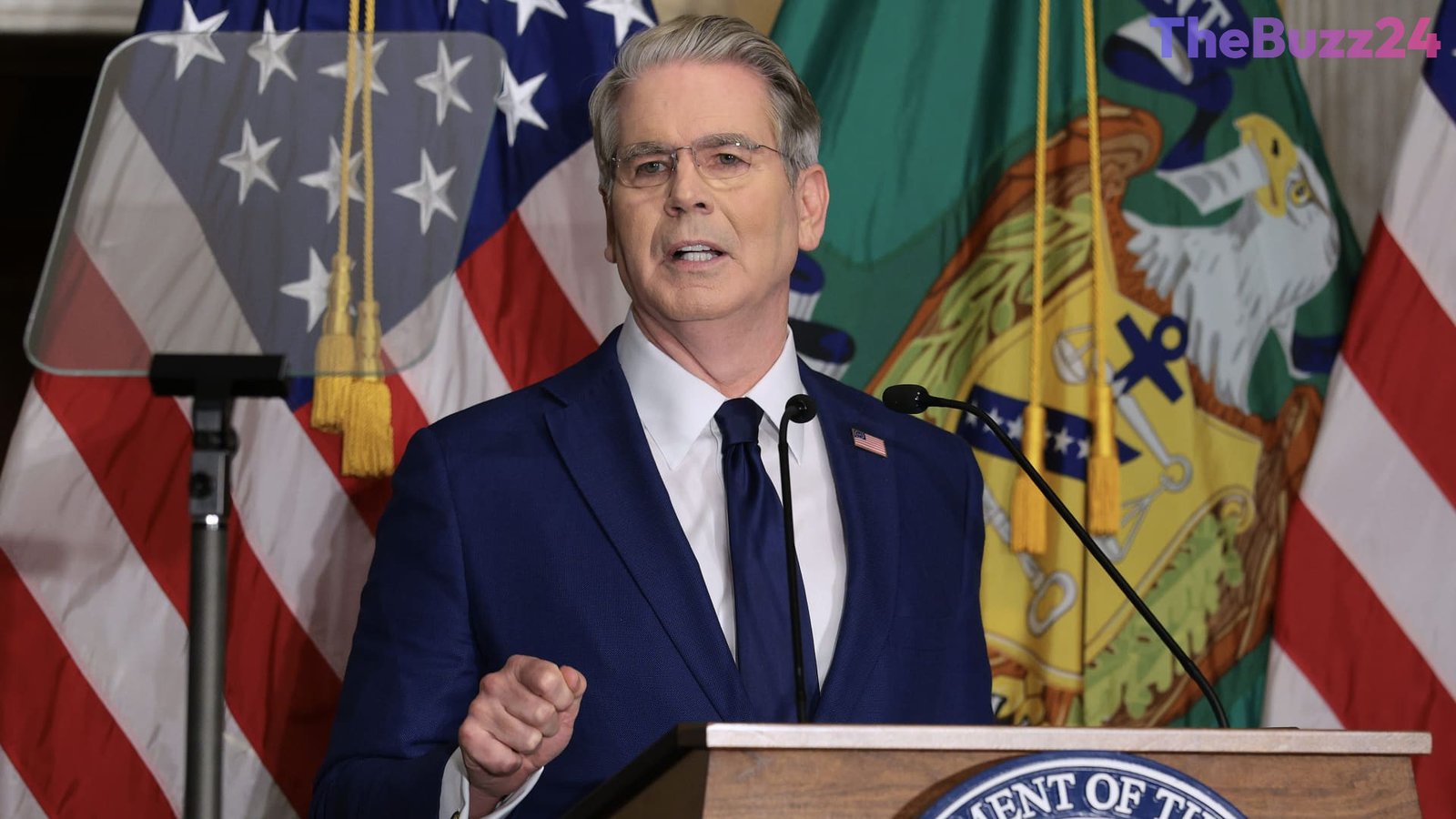
Treasury Secretary Scott Bessent, in announcing the new scheme, emphasized the administration’s intent to launch an “economic onslaught” against Iran’s financial connections worldwide. President Donald Trump is reportedly engaging with world leaders, making specific requests for them to cease interactions with Iran. Bessent clarified that the U.S. would initially issue timelines to individual countries to halt identified activities, warning that any entity facilitating money laundering for Iran would be removed from the U.S. dollar system, stating, “The clock just started ticking.”
The plan quickly raised questions regarding its potential impact on China, Iran’s primary trading partner. Despite a fragile trade truce between Washington and Beijing, Secretary Bessent explicitly stated that China would not be exempt from these measures. He asserted, “no one is above the reach of U.S. sanctions,” and that any entity, including Chinese banks, that facilitates transactions turning Iranian oil into money would be targeted.
This intensified economic offensive comes amidst ongoing tensions, with the administration’s objective being to “sever every economic lifeline that sustains this tyrannical regime until Tehran stands alone.” The scope of sanctions is expanding beyond traditional oil and financial transactions to target those involved in Iran’s digital assets, technology, gold, aviation, and shipping sectors.
Key Takeaways
- The Trump administration launched "Operation Economic Outcast" to economically isolate Iran through secondary sanctions.
- Treasury Secretary Scott Bessent explicitly stated that China, Iran's top trading partner, would not be exempt from these sanctions.
- The sanctions target a broad range of sectors, including digital assets, technology, gold, aviation, and shipping, aiming to sever all economic lifelines to Tehran.
Editor’s Analysis & Impact
This move significantly escalates economic pressure on Iran, aiming to cut off its financial lifelines. The explicit warning to China introduces a new layer of complexity to already strained U.S.-China trade relations, potentially forcing Beijing to choose between its economic ties with Iran and avoiding U.S. sanctions. The broad scope of targeted sectors, from oil to digital assets, indicates a comprehensive strategy to cripple Iran’s economy. While the immediate impact will be increased financial isolation for Tehran, the long-term implications could include further destabilization in the Middle East and a potential reordering of global trade alliances as countries navigate these new U.S. policies. The effectiveness will depend on global compliance and enforcement.
Frequently Asked Questions
Q: What is "Operation Economic Outcast"?
A: It's the Trump administration's plan to economically isolate Iran by imposing secondary sanctions on any global entity or country that facilitates Iran's financial transactions or supports its economy.
Q: Will China be affected by these new sanctions?
A: Yes, Treasury Secretary Scott Bessent indicated that China, as Iran's top trading partner, would not be exempt from the sanctions if its entities facilitate transactions with Iran.
Q: What sectors are targeted by the expanded sanctions?
A: The sanctions scope is expanding to include those participating in Iran's digital assets, technology, gold, aviation, and shipping sectors, in addition to oil and financial transactions.
AI Disclosure: This article is based on verified data and official reports. Our Team and AI have cross-referenced every financial detail with primary sources to ensure total accuracy.
More from this Category