President Trump’s WHCA Dinner Appearance Spotlights Strained Press Relationship
President Donald Trump’s anticipated attendance at the annual White House Correspondents’ Association (WHCA) dinner in Washington D.C. marks his first appearance at the event as president, drawing significant attention to his administration’s often-contentious relationship with the news media. The gathering traditionally sees the sitting president address the journalists who cover them, often incorporating remarks on the importance of free speech and lighthearted humor.
Trump had previously opted not to attend the dinner during his first term and the initial year of his second. His last presence at the event was as a guest in 2011, where he was notably the subject of jokes by then-President Barack Obama. He also attended as a private citizen in 2015. This year, the WHCA has chosen mentalist Oz Pearlman as the featured entertainment, a departure from the comedians who have historically roasted presidents and political figures.
His planned appearance has reignited a long-standing ethical debate within journalism regarding the appropriateness of reporters socializing with the political figures they are tasked with covering. Ethics experts, such as Kelly McBride of the Poynter Institute, suggest that such events can create a “negative look” and potentially undermine journalistic independence. For this reason, The New York Times, for example, stopped attending the dinner more than a decade ago.
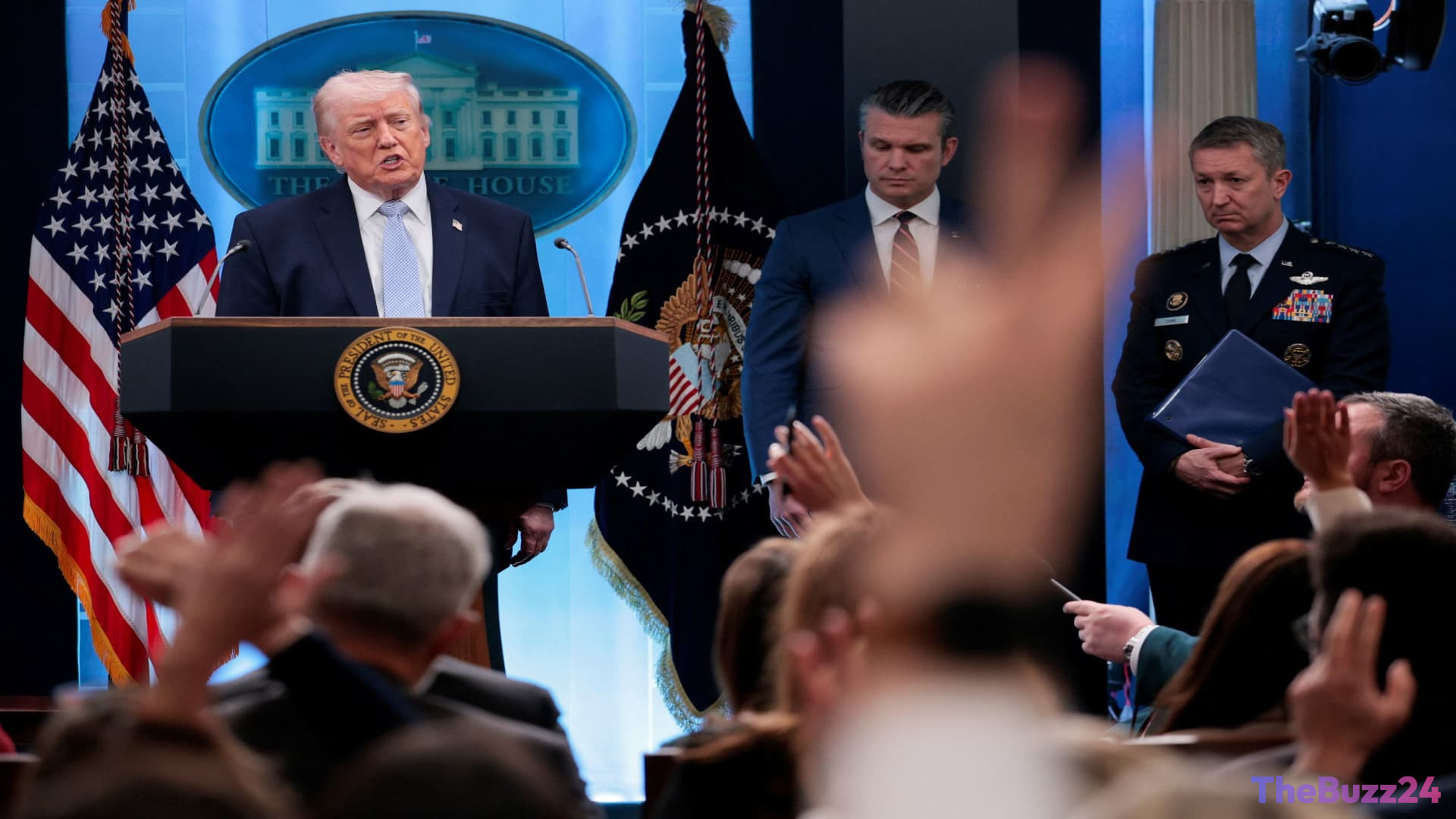
The Trump administration’s interactions with the press have frequently been marked by confrontation, including public criticism of individual reporters, legal disputes with major news organizations like The Wall Street Journal and The Associated Press, and restrictions on press access. Despite these tensions, WHCA President Weijia Jiang, a CBS News reporter, emphasized the dinner’s role in reinforcing the First Amendment’s importance, particularly as the nation approaches its 250th birthday. She highlighted the gathering as a reminder of the value of a free press for the public.
Many journalists view the dinner as a valuable networking opportunity, fostering connections that can aid future reporting. News organizations often invite sources as guests; The Associated Press, for instance, extended an invitation to Taylor Budowich, a former White House deputy chief of staff, despite previous legal disputes over press access. AP spokesman Patrick Maks affirmed their commitment to nonpartisan reporting. The event also serves to honor exemplary journalism, with awards recognizing stories that have sometimes drawn the administration’s displeasure, such as The Wall Street Journal’s report concerning a birthday message from Trump to Jeffrey Epstein.
Key Takeaways
- Donald Trump's attendance at the White House Correspondents' Dinner marks his first as president, drawing significant attention to his administration's contentious relationship with the press.
- The event has reignited an ethical debate among journalists about the appropriateness of socializing with the political figures they cover, with some prominent news organizations opting not to attend.
- Despite ongoing tensions and past legal disputes, the White House Correspondents' Association emphasizes the dinner's role in upholding the First Amendment and recognizing exemplary journalism.
Editor’s Analysis & Impact
The White House Correspondents’ Dinner, particularly with President Trump’s attendance, serves as a potent symbol of the evolving and often fraught relationship between political power and the press. In an era of heightened media scrutiny and accusations of “fake news,” the dinner’s traditional role as a bridge between journalists and policymakers is increasingly challenged. While proponents argue it fosters vital connections and celebrates free speech, critics contend it blurs ethical lines and undermines journalistic independence. This dynamic reflects broader societal shifts in trust towards institutions and the media. The event’s future, and indeed the nature of press-president interactions, will likely continue to be a subject of intense debate, impacting how the public perceives both journalism and governance.
Frequently Asked Questions
Q: Why is President Trump's attendance at the WHCA dinner significant?
A: His attendance is significant because it marks his first time at the event as president, after skipping it during his previous terms. It brings into sharp focus the often-strained relationship between his administration and the news media.
Q: What is the main ethical debate surrounding the White House Correspondents' Dinner?
A: The primary ethical debate centers on whether it is appropriate for journalists to socialize with the political figures they are tasked with covering. Critics argue that such interactions can create a perception of bias or compromise journalistic independence.
Q: How has the Trump administration's relationship with the press been characterized?
A: The Trump administration's relationship with the press has been largely characterized by contention, including frequent public criticisms of reporters, legal challenges against news organizations, and restrictions on press access.
AI Disclosure: This article is based on verified data and official reports. Our Team and AI have cross-referenced every financial detail with primary sources to ensure total accuracy.
More from this Category