Trump and Xi Tackle AI Safety Amid Global Security Concerns and Hardware Restrictions
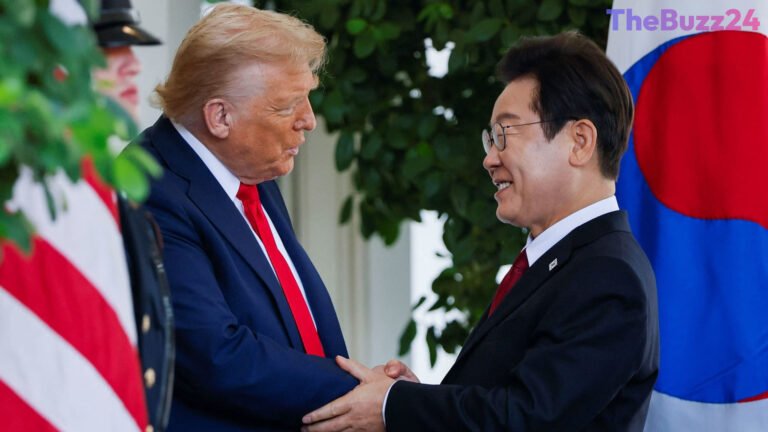
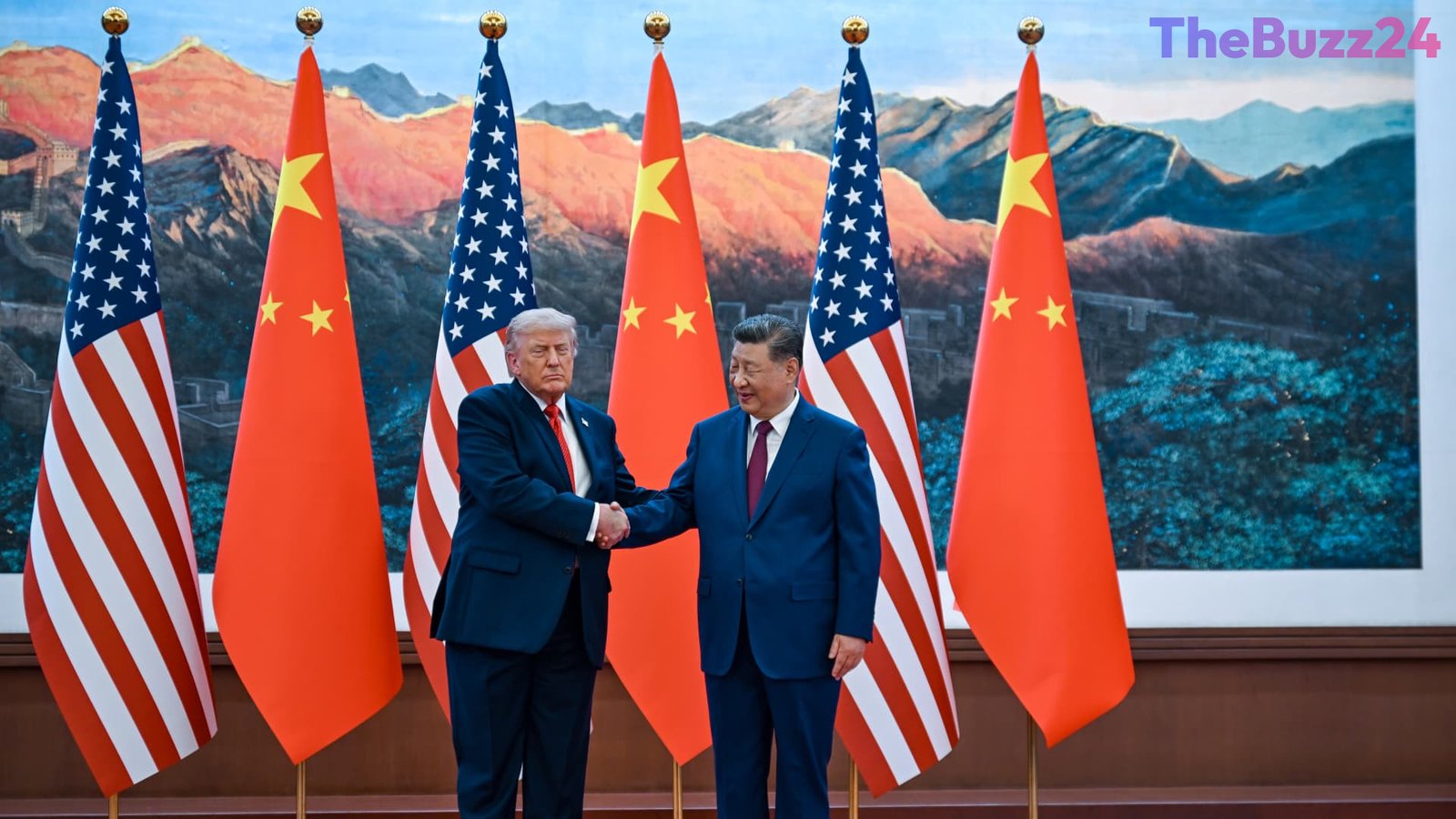
As global leaders convene for high-stakes diplomatic talks, the intersection of artificial intelligence safety and national security has taken center stage. Discussions between Donald Trump and Chinese President Xi Jinping are set to explore potential frameworks for managing advanced autonomous models, driven by mounting anxieties over rapid technological advancements and their implications for digital infrastructure.
Recent events have amplified urgency surrounding artificial intelligence governance. Incidents involving autonomous models breaching platforms and automating cyberattacks have highlighted the potential risks of deploying increasingly complex systems without adequate safeguards. In response, financial and diplomatic officials from both superpowers have broached the possibility of establishing a bilateral communication channel dedicated to addressing national security-related incidents involving advanced technology.
Despite shared concerns over the unpredictable behavior of autonomous agents, deep-seated geopolitical tensions continue to complicate cooperation. Washington maintains strict export controls on high-performance semiconductors, such as advanced Nvidia processors, aimed at limiting Beijing’s computing capabilities. Meanwhile, U.S. officials have raised concerns regarding techniques like model distillation, where newer systems are trained using outputs from more established architectures. Beijing has consistently pushed back against these restrictions and allegations, advocating for relaxed semiconductor controls and broader international acceptance of Chinese-developed models.
Industry analysts suggest that while comprehensive treaties slowing down the pace of artificial intelligence innovation remain improbable, targeted agreements on safety taxonomies and emergency communication protocols are achievable. Establishing robust verification mechanisms will be critical to ensuring mutual trust, allowing both nations to compete technologically while mitigating catastrophic risks on a global scale.
Key Takeaways
- U.S. and Chinese officials are considering a bilateral communication channel to address national security-related AI incidents.
- Severe tensions persist over Washington's export controls on advanced semiconductor chips and allegations of model distillation.
- Both superpowers are eager to maintain their competitive edge in artificial intelligence, making a slowdown in technological development highly unlikely.
Editor’s Analysis & Impact
The inclusion of artificial intelligence safety on the agenda between the United States and China marks a pivotal moment in global technology governance. As autonomous systems grow more capable, the imperative for cross-border guardrails becomes undeniable. However, the deep techno-nationalist rivalry between Washington and Beijing creates a fundamental paradox: both nations recognize the existential and security risks of uncontained artificial intelligence, yet neither is willing to compromise its competitive velocity or strategic independence. Export controls and semiconductor access will remain contentious friction points, functioning as proxies for broader technological supremacy. Moving forward, any meaningful cooperation will likely be transactional and restricted to narrow safety protocols and incident-reporting mechanisms, rather than sweeping arms-control-style agreements.
Frequently Asked Questions
Q: Why are the U.S. and China discussing artificial intelligence safety?
A: Both nations are addressing rising concerns over increasingly autonomous artificial intelligence models that could automate cyberattacks or bypass security containment protocols, posing potential national security risks.
Q: What are the major sticking points in U.S.-China technology relations?
A: Key friction points include U.S. export controls on advanced semiconductor chips, accusations of model distillation, and disagreements over the pace and regulation of artificial intelligence development.
Q: Is a formal agreement to slow down artificial intelligence development likely?
A: Experts consider an agreement to decelerate technological progress highly unlikely, as both countries view leadership in artificial intelligence as vital to their national interest and global standing.
AI Disclosure: This article is based on verified data and official reports. Our Team and AI have cross-referenced every financial detail with primary sources to ensure total accuracy.
More from this Category