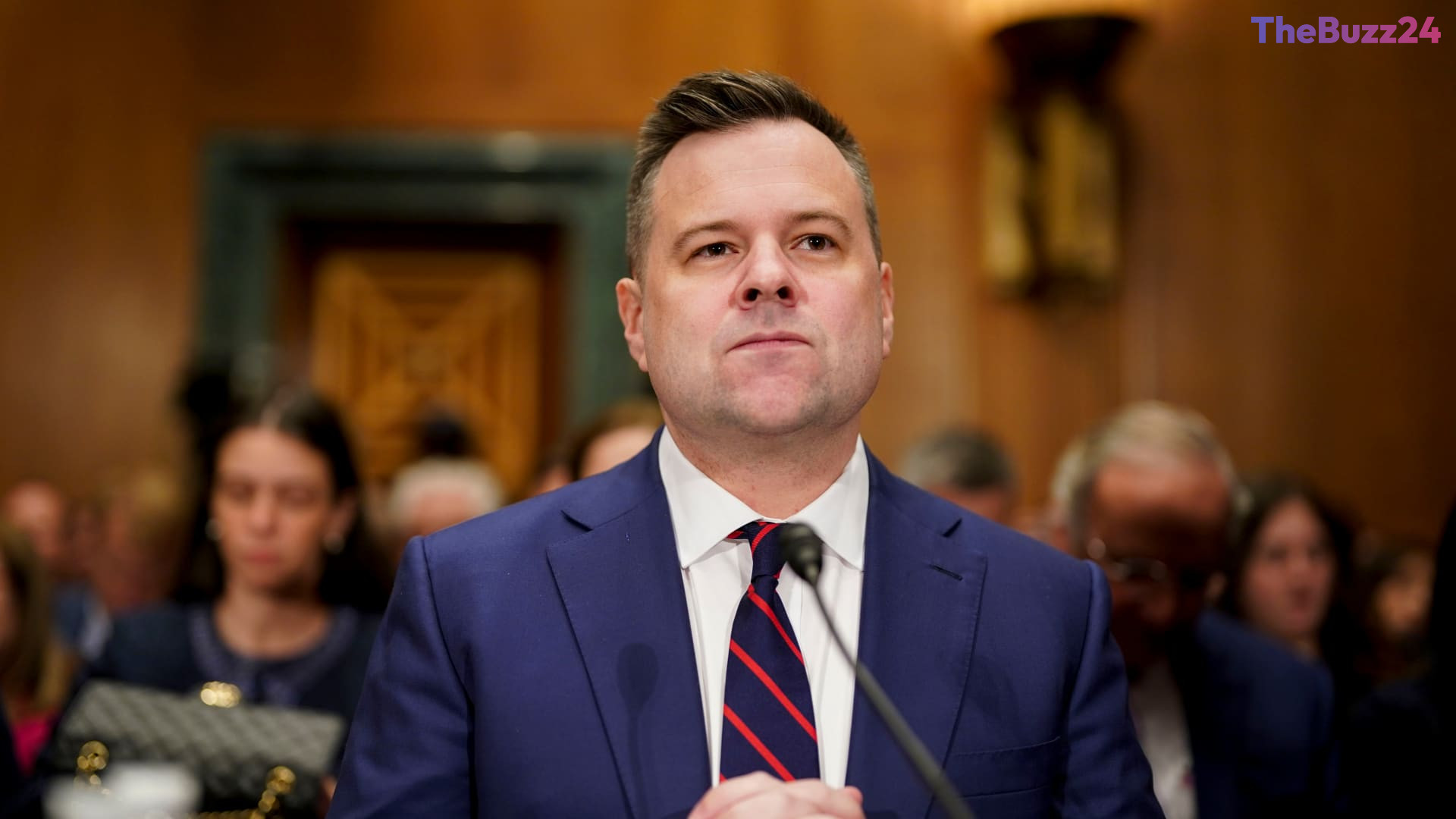
Trump Confirms Bill Pulte’s DNI Role is Temporary Amid Controversy
President Donald Trump announced Thursday that Bill Pulte, recently appointed as acting Director of National Intelligence (DNI), will not serve in the position permanently. The declaration comes just two days after Pulte, who currently leads the Federal Housing Finance Agency (FHFA) and chairs mortgage giants Fannie Mae and Freddie Mac, was tapped for the interim intelligence role.
Pulte’s appointment quickly drew sharp criticism from lawmakers on Capitol Hill. Concerns were raised regarding his apparent lack of experience in intelligence matters and his history as a vocal political supporter of President Trump. Despite the backlash, Trump defended the choice, emphasizing Pulte’s intelligence and stating that the role would be short-term. “It’s not a permanent, he’s not going to be permanent, because you know, I don’t think he’d want to be permanent,” Trump told reporters, hinting that Pulte might delve into domestic investigations, a departure from the U.S. intelligence community’s typical focus on foreign targets.
The DNI position oversees the vast U.S. intelligence community, including agencies like the Central Intelligence Agency (CIA) and the National Security Agency (NSA). The outgoing DNI, Tulsi Gabbard, had previously sparked controversy in January by attending an FBI raid related to the 2020 election in Georgia, an action she stated was at Trump’s request. President Trump confirmed that interviews are currently underway to find a permanent successor for the DNI post, reiterating that Pulte is merely a temporary placeholder.
Senate Majority Leader John Thune and Senate Minority Leader Chuck Schumer were among those who publicly scoffed at Pulte’s interim appointment. Thune remarked, “We don’t need a weaponized DNI, we need professionals there,” while Schumer characterized Pulte as “a partisan thug with no experience in intelligence.”
Key Takeaways
- President Trump confirmed that Bill Pulte's appointment as acting Director of National Intelligence (DNI) is temporary and he will not serve permanently.
- Pulte's interim role drew significant criticism from lawmakers due to his lack of intelligence experience and perceived political alignment with Trump.
- Trump hinted that Pulte might focus on domestic investigations, a potential shift from the intelligence community's traditional foreign focus, while a search for a permanent DNI is underway.
Editor’s Analysis & Impact
The temporary appointment of Bill Pulte as acting DNI, coupled with President Trump’s comments, signals a potential politicization of the U.S. intelligence apparatus. This move could erode public and international confidence in the impartiality of intelligence agencies, which are traditionally focused on objective analysis and foreign threats. The hint at domestic investigations suggests a broader implication for the independence of intelligence operations and raises questions about the administration’s priorities. The controversy surrounding Pulte’s lack of experience and the search for a permanent DNI highlight ongoing tensions between political appointments and the need for seasoned professionals in critical national security roles. This situation underscores the challenges in maintaining the integrity and non-partisanship of intelligence oversight.
Frequently Asked Questions
Q: Who is Bill Pulte and what is his current primary role?
A: Bill Pulte is currently the head of the Federal Housing Finance Agency (FHFA) and serves as chairman for Fannie Mae and Freddie Mac. He was temporarily appointed as acting Director of National Intelligence (DNI).
Q: Why was Bill Pulte's appointment as acting DNI controversial?
A: His appointment sparked criticism due to his lack of prior experience in intelligence and his history as a political supporter of President Trump, leading to concerns about the politicization of the DNI role.
Q: What are the responsibilities of the Director of National Intelligence (DNI)?
A: The DNI oversees and coordinates the entire U.S. intelligence community, which includes agencies such as the Central Intelligence Agency (CIA) and the National Security Agency (NSA), ensuring intelligence is collected, analyzed, and disseminated effectively.
AI Disclosure: This article is based on verified data and official reports. Our Team and AI have cross-referenced every financial detail with primary sources to ensure total accuracy.
More from this Category