Trump Declares Iran Agreement a Victory as U.S. Forces Lift Maritime Blockade
Following months of heightened tensions that disrupted global energy markets and closed the Strait of Hormuz, the United States and Iran have finalized a memorandum of understanding aimed at de-escalating the conflict. The agreement, which was signed on Thursday, establishes a 60-day ceasefire and mandates the immediate reopening of the critical maritime passage. While the deal provides a framework for future nuclear negotiations, officials acknowledge that significant details remain to be ironed out in upcoming diplomatic sessions.
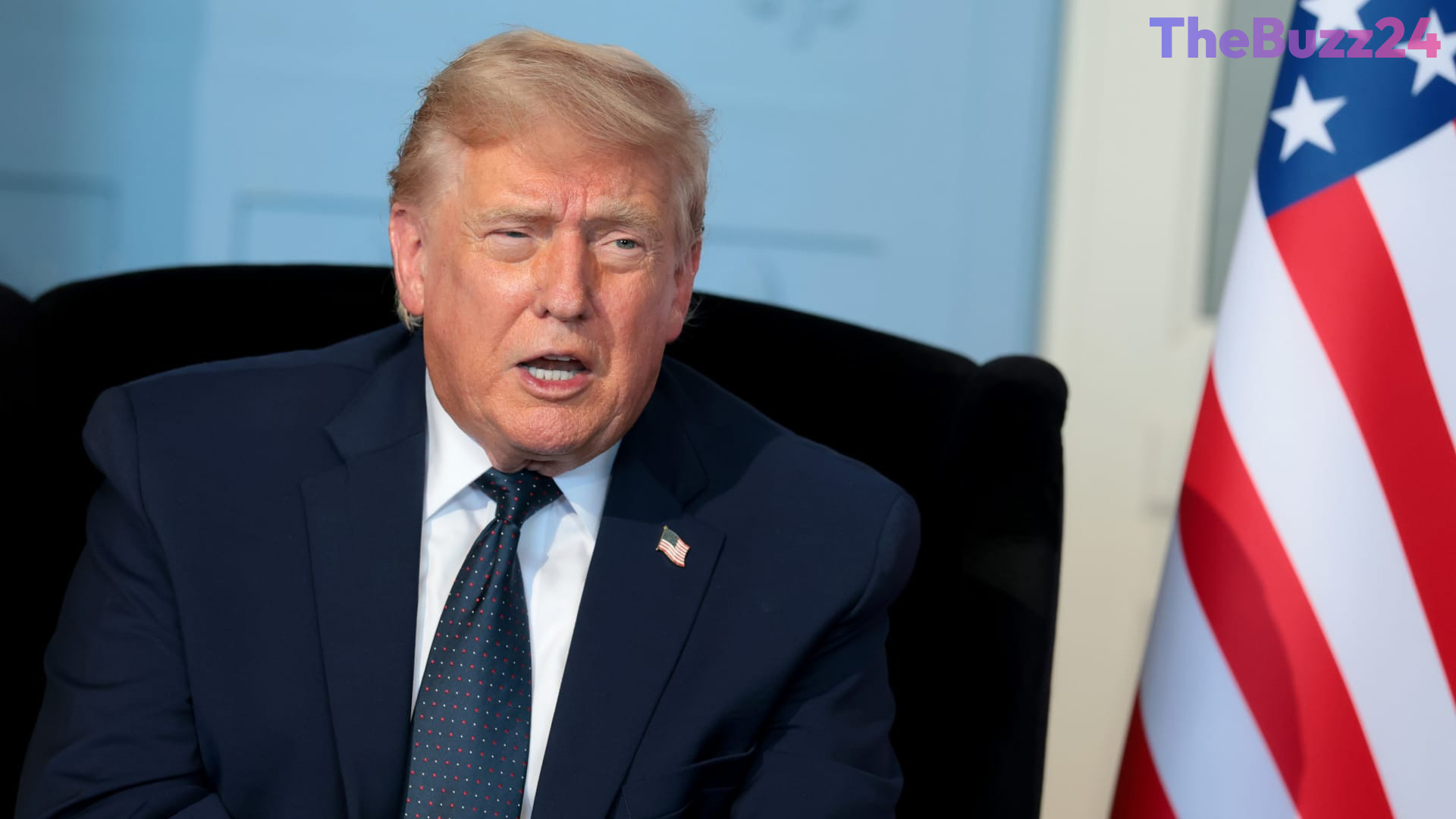
In a recent interview, Donald Trump characterized the agreement as a form of “unconditional surrender” by Tehran. The President emphasized that the primary motivation for securing the deal was to prevent the ongoing regional conflict from spiraling into a global economic depression. When questioned about the constraints of his executive authority in the context of the conflict, Trump maintained that he does not recognize any limits to his power.
In alignment with the new agreement, U.S. Central Command confirmed that all blockade enforcement efforts on maritime traffic near Iranian coastal areas have been terminated. While active enforcement has ceased, the military noted that naval assets will maintain a presence in the region to monitor compliance with the terms of the memorandum. This shift marks a significant turning point in the recent standoff, signaling a move toward stabilization in the Persian Gulf.
Key Takeaways
- The U.S. and Iran have signed a memorandum of understanding that includes a 60-day ceasefire and the reopening of the Strait of Hormuz.
- U.S. Central Command has officially ceased all maritime blockade enforcement operations in the region.
- President Trump described the deal as a major victory, citing the prevention of a global economic depression as a primary objective.
Editor’s Analysis & Impact
The resolution of the standoff at the Strait of Hormuz serves as a critical relief valve for global energy markets, which had been under immense pressure due to the threat of supply chain disruptions. By securing a ceasefire, the administration has successfully mitigated the immediate risk of a broader economic downturn. However, the long-term implications remain uncertain; the framework for nuclear negotiations is still in its infancy, and the lack of finalized details suggests that future diplomatic friction is likely. The President’s assertion regarding the scope of his executive power highlights a broader trend of centralized decision-making in foreign policy. Investors and geopolitical analysts should monitor the upcoming talks closely, as any failure to solidify the current ceasefire could lead to a rapid return of market volatility and regional instability.
Frequently Asked Questions
Q: What are the primary terms of the agreement between the U.S. and Iran?
A: The agreement includes a 60-day ceasefire, the reopening of the Strait of Hormuz to maritime traffic, and the establishment of a framework for future nuclear negotiations.
Q: Is the U.S. military still patrolling the area near Iran?
A: Yes, while the U.S. has ceased all blockade enforcement efforts, naval ships remain in the general area to ensure that all aspects of the agreement are being followed by both parties.
AI Disclosure: This article is based on verified data and official reports. Our Team and AI have cross-referenced every financial detail with primary sources to ensure total accuracy.
More from this Category