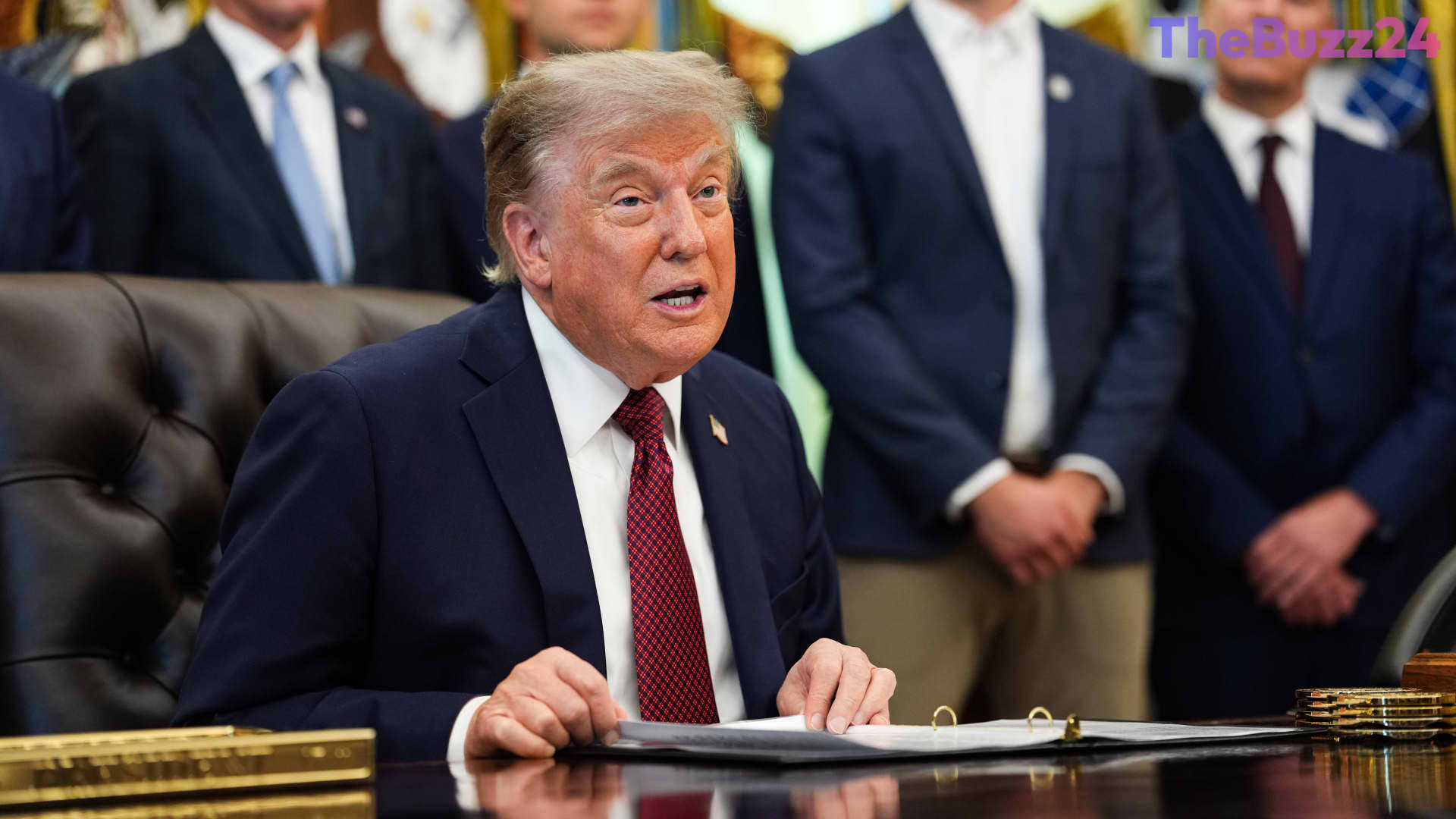
Trump Defends Justice Department Subpoenas Amid Leak Investigation Involving Google
Former President Donald Trump recently defended the Department of Justice’s decision to issue subpoenas to journalists and tech giants as part of an aggressive criminal investigation into classified information leaks. The inquiry centers around the unauthorized disclosure of security details concerning a newly proposed presidential aircraft.
The controversy intensified when court filings revealed that tech conglomerate Google had also been served with a grand jury subpoena demanding subscriber information linked to a specific phone number. This directive arrived shortly after legal representatives for prominent media organizations moved to invalidate similar investigative demands directed at their reporting staff. Furthermore, prosecutors had initially attached a strict non-disclosure order to the Google subpoena, prohibiting the company from notifying the affected subscriber.
Legal challenges quickly mounted against the government’s tactics, prompting judicial intervention. A federal judge warned that the compulsory orders targeting reporters would face formal dismissal unless voluntarily retracted by prosecutors. Concurrently, legal counsel for Google successfully argued that the accompanying non-disclosure directive infringed upon constitutional free speech protections, leading the court to lift the secrecy order.
Defending the investigative measures in public remarks, the administration maintained that the primary objective was identifying internal sources who compromise sensitive security protocols rather than penalizing the press. Officials emphasized that tracing unauthorized disclosures remains essential for safeguarding national security, even as the ongoing probe navigates complex constitutional boundaries.
Key Takeaways
- The Department of Justice targeted journalists and tech companies in a grand jury investigation regarding leaked national security information.
- Google received a subpoena for subscriber data and a non-disclosure order, which a federal judge later vacated following legal challenges.
- The administration defended the subpoenas as a necessary measure to identify unpatriotic leakers rather than an attack on the press.
Editor’s Analysis & Impact
This legal showdown highlights the perennial tension between national security imperatives and First Amendment protections for a free press. The government’s use of subpoenas against both journalists and technology platforms demonstrates how federal investigators aggressively pursue leaks regarding sensitive defense projects. However, the swift judicial pushback—forcing the withdrawal of reporter subpoenas and lifting Google’s non-disclosure gag order—illustrates the judiciary’s role as a vital check on executive investigative overreach. Moving forward, digital privacy advocates and media organizations will likely scrutinize how federal prosecutors balance leak investigations with constitutional safeguards, setting critical precedents for future cases involving digital communications and journalistic privilege.
Frequently Asked Questions
Q: What was the Department of Justice investigating?
A: The DOJ was investigating the unauthorized leak of information regarding security measures for the president's new Air Force One plane.
Q: Why did Google get involved in the case?
A: Google received a grand jury subpoena demanding subscriber information associated with a specific phone number, along with a gag order preventing them from notifying the user.
Q: What was the outcome of the legal challenges against the subpoenas?
A: The DOJ withdrew the subpoenas directed at reporters after a federal judge threatened to quash them, and the judge also vacated the non-disclosure order placed on Google.
AI Disclosure: This article is based on verified data and official reports. Our Team and AI have cross-referenced every financial detail with primary sources to ensure total accuracy.
More from this Category