Trump Extends Iran Ceasefire Amid Internal Political Instability in Tehran
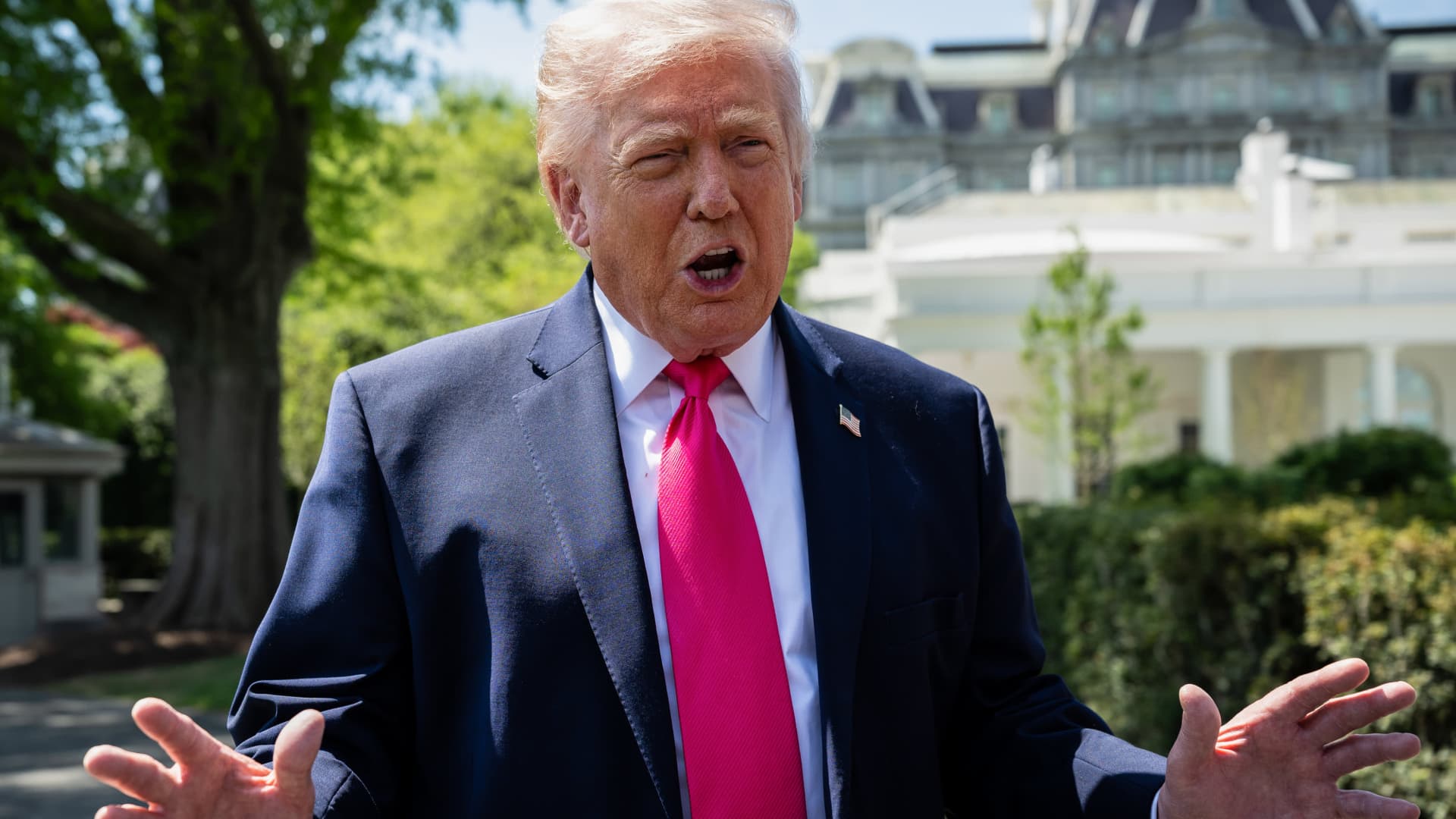
President Donald Trump has officially extended the ongoing ceasefire between the United States and Iran, citing significant internal divisions within the Iranian government as the primary driver for the decision. The extension is conditional, requiring Iranian leadership to present a cohesive and unified proposal to resolve the long-standing conflict involving the U.S. and Israel. This development marks a shift from previous signals that the administration intended to let the ceasefire expire.
The diplomatic landscape remains volatile, as a planned visit by Vice President JD Vance to Pakistan for high-level peace negotiations was recently suspended. Iranian representatives reportedly signaled that further dialogue would be unproductive under current conditions, accusing the U.S. of hindering progress. The decision to prolong the ceasefire was made following direct requests from Pakistani leadership, specifically Field Marshal Asim Munir and Prime Minister Shehbaz Sharif, who are attempting to mediate the cooling of tensions.
Despite the extension, skepticism remains high in Tehran. Advisors to Iranian parliamentary leadership have dismissed the move as a tactical delay intended to provide the U.S. military with an opportunity to prepare for a surprise offensive. Furthermore, tensions remain elevated over the U.S. Navy’s ongoing blockade of Iranian ports, which Tehran characterizes as an act of aggression equivalent to active bombardment. The status of the Strait of Hormuz, a vital artery for global oil transit, remains a major point of contention, as the waterway has seen minimal traffic since the conflict began, failing to meet the reopening conditions originally set by the U.S. administration.
Key Takeaways
- President Trump has extended the U.S.-Iran ceasefire, citing a 'fractured' Iranian government as the reason for the delay.
- The extension is contingent upon Iran presenting a unified proposal to end the conflict with the U.S. and Israel.
- Tensions persist over the U.S. naval blockade of Iranian ports and the continued closure of the Strait of Hormuz.
Editor’s Analysis & Impact
The extension of the ceasefire reflects a precarious geopolitical stalemate. By citing a ‘fractured’ Iranian government, the U.S. is attempting to leverage internal political instability in Tehran to force a more favorable diplomatic outcome. However, the mutual distrust—evidenced by Iran’s belief that the ceasefire is merely a precursor to a surprise strike and the U.S. frustration over the Strait of Hormuz—suggests that a lasting peace remains elusive. The involvement of Pakistan as a mediator highlights the regional stakes, particularly regarding global energy security. If the blockade continues and the Strait of Hormuz remains effectively closed, the economic pressure on global oil markets will likely intensify, potentially forcing a more aggressive military or diplomatic posture from the U.S. in the coming months.
Frequently Asked Questions
Q: Why did President Trump extend the ceasefire with Iran?
A: The extension was granted due to the Iranian government being described as 'seriously fractured,' with the U.S. requiring a unified proposal from Tehran to move forward with peace talks.
Q: What is the current status of the Strait of Hormuz?
A: The Strait of Hormuz remains largely closed to traffic, which was a primary condition for the original ceasefire. The U.S. has maintained a naval blockade of Iranian ports in response to the lack of progress on this issue.
AI Disclosure: This article is based on verified data and official reports. Our Team and AI have cross-referenced every financial detail with primary sources to ensure total accuracy.
More from this Category