Trump Pauses Potential Iran Strikes Amid Diplomatic Overtures
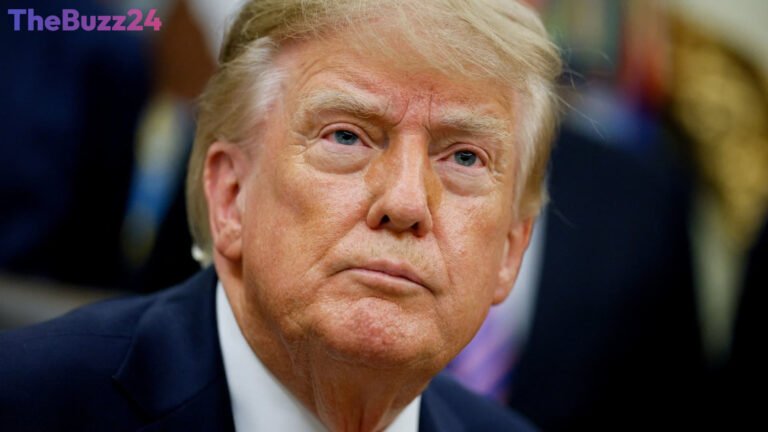
President Donald Trump has announced a temporary halt to planned military strikes against Iran, citing ongoing diplomatic discussions and the potential for a rapid agreement. The decision follows a period of heightened rhetoric, during which the administration signaled it was prepared to deploy significant military force against Iranian infrastructure. Trump stated that the pause was intended to benefit global stability and the long-term prosperity of Iran, though he maintained that the U.S. remains fully prepared to act if negotiations fail.
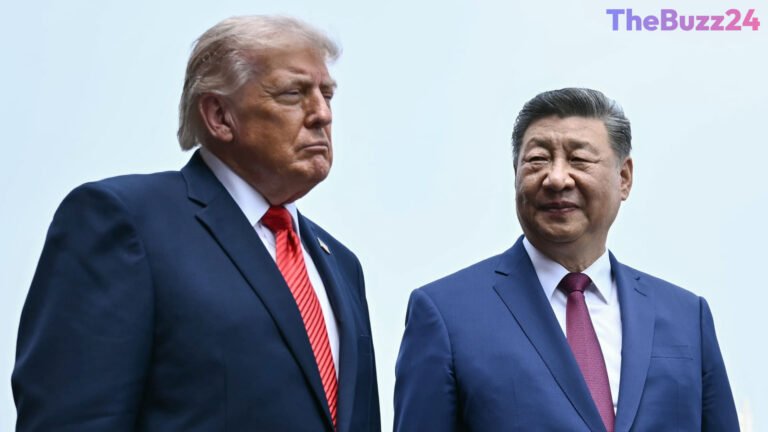
The administration’s shift in tone comes after reports suggested that the U.S. and Israel were considering an intensive campaign targeting Iranian energy facilities. While the White House has utilized aggressive posturing—often characterized as the ‘Madman Theory’—to force adversaries to the negotiating table, the effectiveness of this strategy remains under scrutiny. Previous threats of severe military action led to face-to-face talks in Pakistan, yet those discussions ultimately failed to produce a lasting resolution, leaving critical red lines unaddressed.
Regional stakeholders, including Saudi Arabia, have actively pushed for de-escalation, emphasizing the necessity of dialogue to prevent a wider conflict. Gulf allies remain particularly concerned about the vulnerability of their own critical infrastructure, such as water desalination plants, should the conflict escalate. Meanwhile, the domestic political landscape in the U.S. adds another layer of complexity; with midterm elections approaching and public disapproval of the conflict rising, the administration faces significant pressure to balance its foreign policy objectives with the economic realities of fluctuating oil prices and voter sentiment.
Key Takeaways
- President Trump has suspended planned military strikes on Iran, citing the possibility of a rapid diplomatic deal.
- Regional allies, including Saudi Arabia, are urging for dialogue to avoid a broader conflict that could threaten critical infrastructure in the Middle East.
- The administration faces domestic pressure as public disapproval of the conflict grows and concerns mount over the impact on oil prices ahead of midterm elections.
Editor’s Analysis & Impact
The current standoff between the U.S. and Iran represents a high-stakes game of geopolitical brinkmanship that carries significant risks for global energy markets. By utilizing aggressive rhetoric as a tool for diplomatic leverage, the administration is attempting to force concessions without triggering a full-scale war. However, the failure of previous negotiations suggests that this strategy may be reaching its limits. The broader implications are profound: a sustained conflict would likely cause a sharp spike in oil prices, exacerbating inflationary pressures and potentially destabilizing the global economy. Furthermore, the administration’s reliance on this strategy creates a volatile environment where miscalculation by either side could lead to an unintended escalation, forcing the U.S. into a protracted military engagement that carries heavy political and economic costs.
Frequently Asked Questions
Q: Why did President Trump decide to hold off on the planned strikes?
A: The President stated that he was asked by Iran and other Middle Eastern nations to pause military action as the framework for a potential diplomatic deal had been established.
Q: What are the primary concerns of U.S. allies in the Gulf regarding this conflict?
A: Gulf nations are concerned that their critical infrastructure, such as water desalination plants and oil facilities, would become prime targets for Iranian retaliation if the U.S. initiates a bombing campaign.
AI Disclosure: This article is based on verified data and official reports. Our Team and AI have cross-referenced every financial detail with primary sources to ensure total accuracy.
More from this Category