Trump Pivots to Economic Pressure as Standoff Over Strait of Hormuz Intensifies
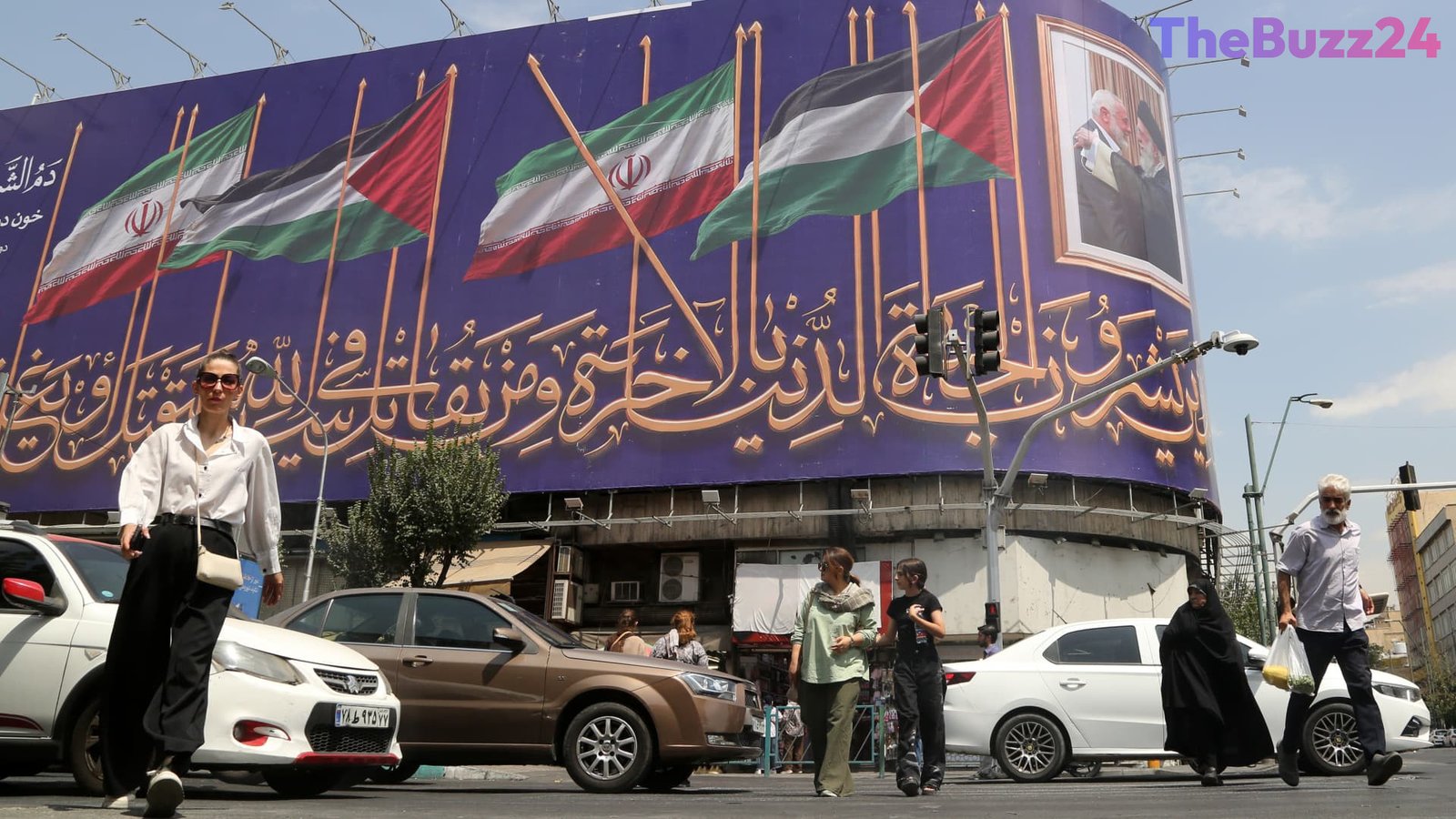
President Donald Trump has signaled a strategic shift in the ongoing maritime crisis, opting to leverage economic pressure against Iran rather than pursuing further military escalation. As Tehran maintains a hardline stance, demanding the removal of sanctions and the withdrawal of U.S. forces as prerequisites for reopening the vital Strait of Hormuz, the White House appears content to wait for the country’s internal economic distress to deepen. Trump recently highlighted the significant devaluation of the Iranian rial, suggesting that the administration is comfortable observing the impact of inflation on the Iranian economy.
Despite the shift in rhetoric, the U.S. military continues to maintain a firm grip on the region. American forces have intensified their naval blockade, successfully redirecting 55 commercial vessels away from Iranian ports as of early August. This ongoing maritime pressure is designed to enforce compliance, with U.S. forces having boarded and disabled multiple vessels in recent weeks. The blockade remains a central point of contention, as Iranian officials insist that no meaningful negotiations can occur until the U.S. ceases its maritime operations and addresses alleged violations of previous agreements.
The geopolitical impasse continues to disrupt global energy markets, with shipping traffic through the Strait of Hormuz reaching historic lows. Recent attacks on oil tankers and infrastructure in the region, attributed to Iranian forces and Houthi militants, have further deterred commercial transit. As Iran’s parliament reviews a draft plan to formally restrict access to the strait for U.S. and Israeli vessels, market analysts warn that the lack of diplomatic progress poses a persistent risk to global oil supplies, keeping energy prices volatile.
Key Takeaways
- The U.S. is prioritizing economic sanctions and inflation pressure over military intervention to force a resolution with Iran.
- The naval blockade has successfully redirected 55 commercial vessels, further choking Iranian maritime trade.
- Global energy markets remain volatile as shipping traffic through the Strait of Hormuz continues to decline due to ongoing attacks and diplomatic gridlock.
Editor’s Analysis & Impact
The current standoff represents a high-stakes game of attrition that carries significant implications for global energy security. By shifting focus to economic strangulation, the U.S. is betting that internal instability will force Tehran to the negotiating table. However, this strategy risks further regional destabilization, as Iran’s retaliatory measures—including threats to formalize transit restrictions and continued strikes on energy infrastructure—keep the risk premium on oil prices elevated. The market is currently pricing in a ‘wait-and-see’ approach, but the lack of a diplomatic off-ramp suggests that volatility will remain the baseline for the foreseeable future. Should the blockade persist or escalate, the global supply chain for oil and liquefied natural gas faces a prolonged period of uncertainty, potentially forcing central banks to account for sustained energy-driven inflationary pressures.
Frequently Asked Questions
Q: Why is the Strait of Hormuz significant to the global economy?
A: The Strait of Hormuz is a critical maritime chokepoint that historically carried approximately one-quarter of the world's seaborne oil trade and one-fifth of global liquefied natural gas before the current conflict.
Q: What are Iran's primary demands for reopening the strait?
A: Iran has demanded that the U.S. lift its naval blockade and economic sanctions, withdraw military forces from the region, pay war reparations, and release frozen Iranian assets.
AI Disclosure: This article is based on verified data and official reports. Our Team and AI have cross-referenced every financial detail with primary sources to ensure total accuracy.
More from this Category