The Power Dynamics of Silicon Valley and the Executive Branch
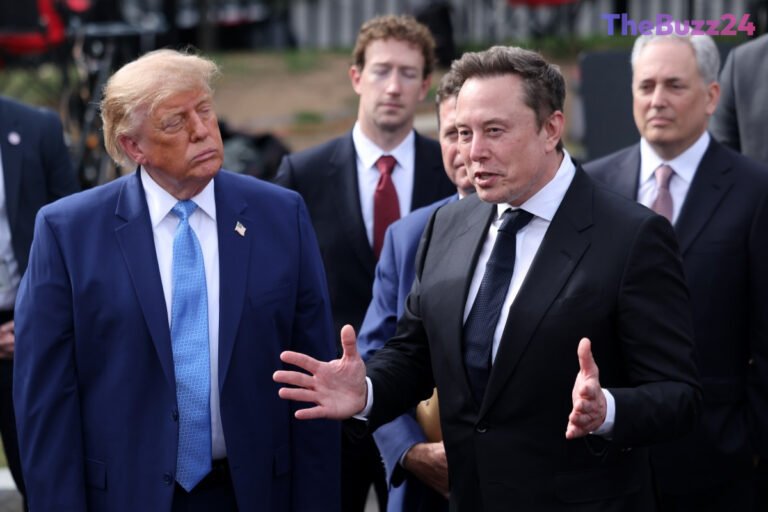
The relationship between major technology executives and the White House has increasingly become defined by direct, transactional engagement. Recent insights into the interactions between corporate leadership and the executive branch reveal a strategy where high-level business objectives are often pursued through personal appeals to the president. This approach highlights a shift in how Silicon Valley giants navigate the complexities of federal policy, moving away from traditional lobbying toward a more personalized model of influence.
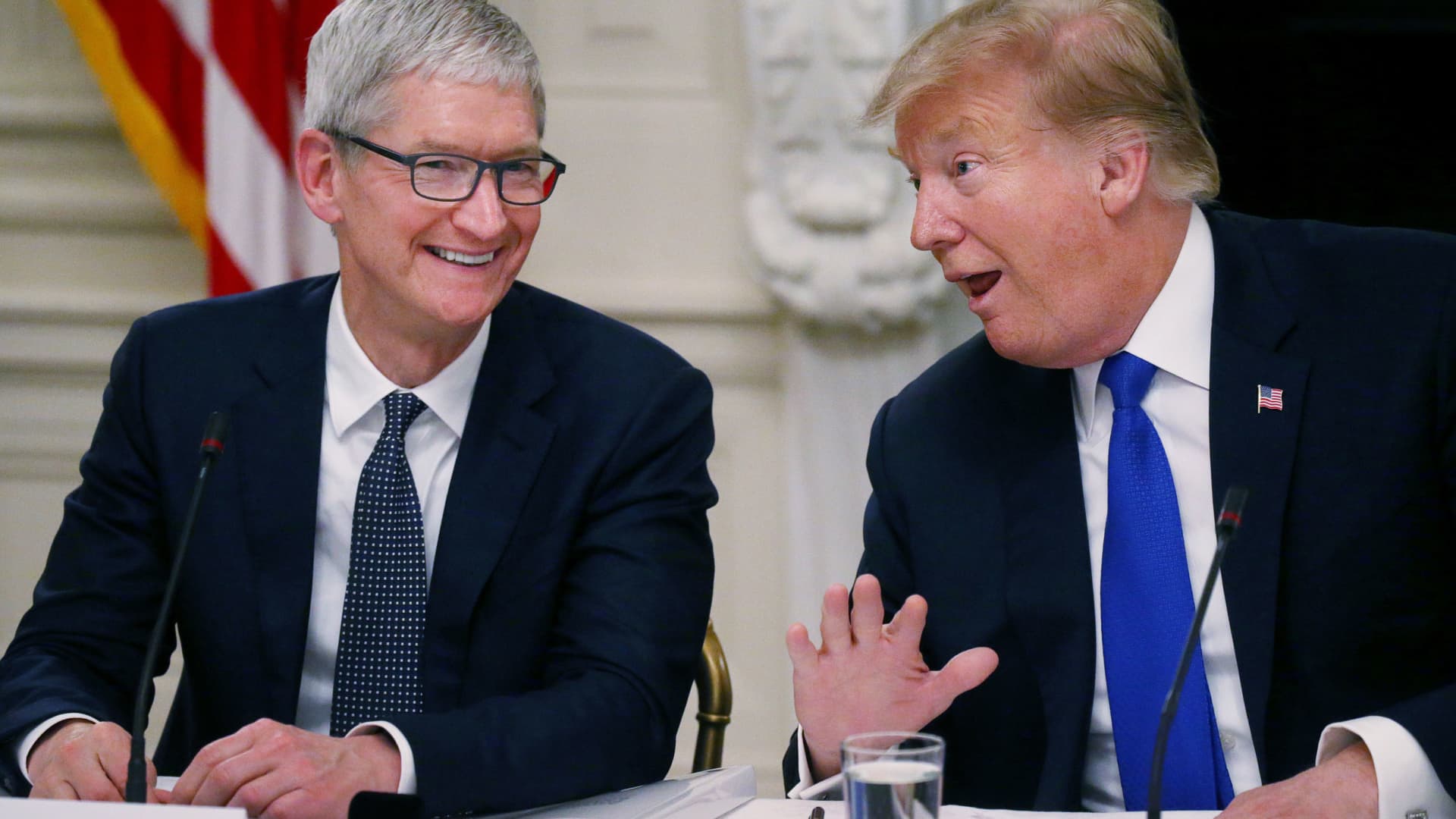
Prominent figures, including Apple CEO Tim Cook, have been noted for their direct communication with the administration to address significant business hurdles. These interactions often center on securing specific policy interventions, such as tariff exemptions or regulatory relief. By engaging directly with the highest levels of government, corporate leaders aim to bypass bureaucratic layers, framing their requests within the context of national economic interests and domestic investment.
This trend is not limited to a single company; it reflects a broader pattern of behavior among major tech firms like Amazon, Google, and Meta. These organizations have utilized various methods to align their corporate goals with the administration’s agenda, ranging from public displays of support to strategic investments in domestic manufacturing. As the political and regulatory landscape continues to shift, the ability to maintain a direct line of communication with the White House has become a critical component of modern corporate strategy for the world’s largest technology companies.
Key Takeaways
- Tech executives are increasingly relying on direct, personal communication with the president to resolve business challenges.
- Corporate strategies often involve aligning company goals with the administration's agenda to secure policy or tariff exemptions.
- The modern business landscape for tech giants is defined by a shift toward personalized governance and direct executive-level lobbying.
Editor’s Analysis & Impact
The evolution of the relationship between Silicon Valley and the White House signals a departure from traditional, institutional lobbying toward a more personalized, transactional model. This shift suggests that for the world’s largest tech firms, access to the executive branch is now a primary competitive advantage. By framing their business needs as aligned with national economic priorities, companies can secure favorable regulatory outcomes that might otherwise be stalled in the legislative process. However, this reliance on personal influence creates significant risks; it ties corporate success to the political fortunes of individual administrations, potentially leading to volatility when leadership changes. Looking ahead, we expect to see tech firms continue to balance these direct appeals with broader public relations efforts to mitigate the appearance of undue influence while maintaining the necessary access to protect their global market positions.
Frequently Asked Questions
Q: Why do tech executives prefer direct communication with the president?
A: Direct communication allows executives to bypass standard bureaucratic processes, potentially leading to faster resolutions on critical issues like tariff exemptions or regulatory hurdles.
Q: Is this transactional approach unique to Apple?
A: No, the article notes that this is a broader pattern observed across major technology firms, including Amazon, Google, and Meta, as they navigate the modern political landscape.
AI Disclosure: This article is based on verified data and official reports. Our Team and AI have cross-referenced every financial detail with primary sources to ensure total accuracy.
More from this Category