Trump Rejects Iran Sanctions Relief Claims Amid Qatari Diplomatic Push
United States leadership has formally dismissed claims that an olive branch involving sanctions relief and the release of frozen funds was extended to Tehran. The denial comes as regional diplomats intensify efforts to bridge the gap between Washington and Iranian officials through active mediation.
During a cabinet briefing, Iran’s foreign minister outlined the parameters of a newly received American proposal. The document was delivered following high-stakes diplomatic sessions held in Doha with Qatari intermediaries who are working diligently to foster a lasting peace settlement and curb ongoing tensions in the Middle East.
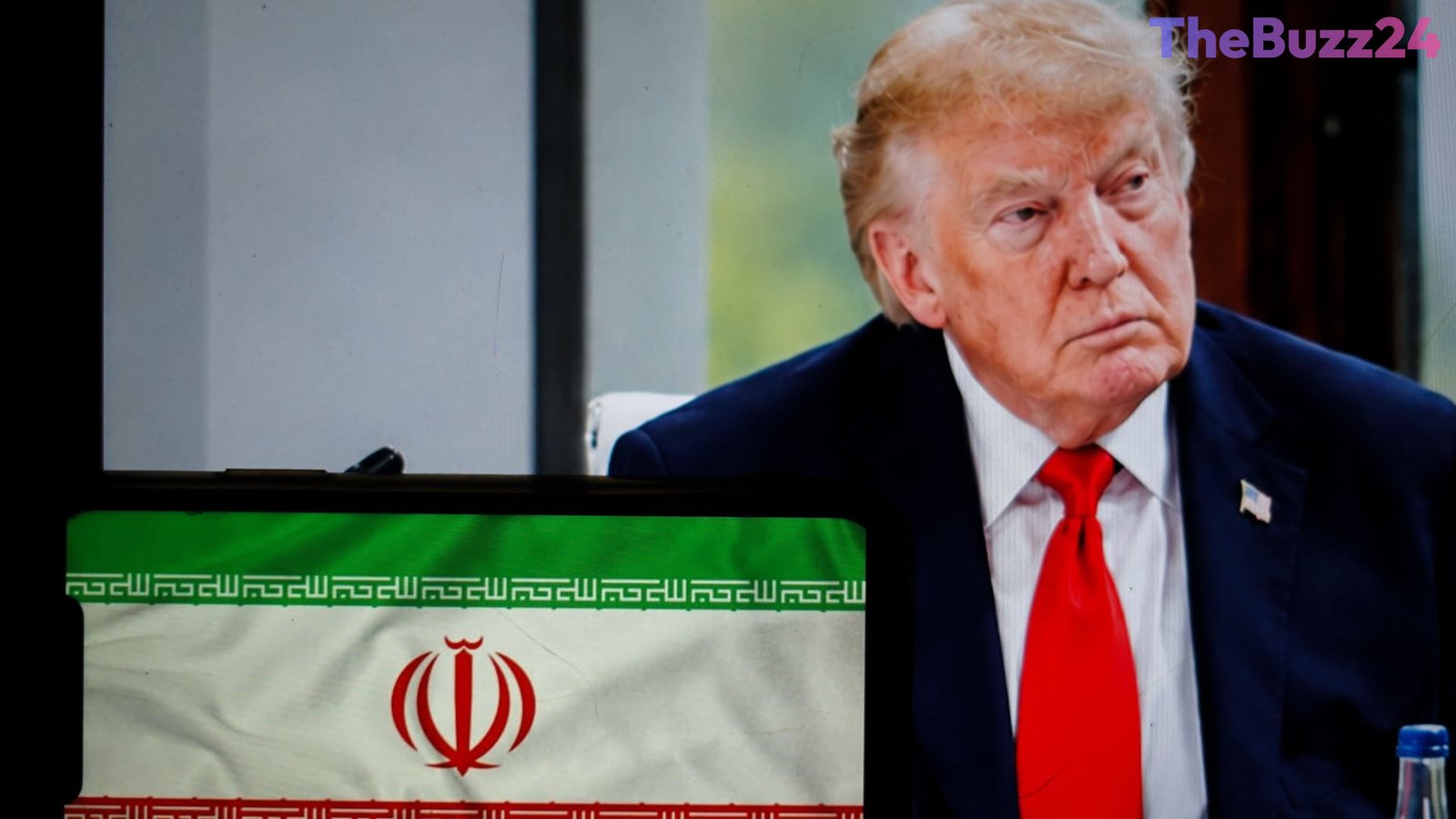
Addressing the public through social media, the U.S. president strongly rebuked earlier media accounts suggesting a quid pro quo deal was on the table regarding Iran’s nuclear development. Characterizing the reports as entirely fabricated, the administration maintains its strict stance while international markets react to the shifting diplomatic landscape. Meanwhile, energy commodities experienced a modest uptick as traders closely monitor the fluctuating negotiations and the potential for a breakthrough mediated by Qatari officials.
Key Takeaways
- U.S. leadership explicitly denied offering sanctions relief or unfreezing Iranian funds in exchange for nuclear concessions.
- Iran's foreign minister briefed the national cabinet regarding a fresh U.S. proposal following diplomatic talks mediated by Qatar in Doha.
- International oil benchmarks saw slight increases as energy markets reacted to the ongoing diplomatic developments in the Middle East.
Editor’s Analysis & Impact
The latest diplomatic friction between Washington and Tehran underscores the extreme volatility inherent in Middle Eastern geopolitics and its immediate transmission into global energy markets. Even subtle shifts or rumored proposals involving Qatari mediation can trigger upward movements in crude oil benchmarks, demonstrating how sensitive the global economy remains to supply security and regional stability. While backchannel negotiations appear active, the public rejection of reported concessions suggests that the U.S. administration is keen to project a hardline posture, complicating the path toward a mutually acceptable nuclear agreement. Looking ahead, sustained Qatari mediation will be critical to preventing further escalation, though any durable economic breakthrough will likely require overcoming deeply entrenched distrust regarding nuclear oversight and sanctions enforcement.
Frequently Asked Questions
Q: What did the U.S. president deny offering Iran?
A: The U.S. president denied offering sanctions relief and the release of frozen Iranian funds in exchange for concessions on Tehran's nuclear program.
Q: What role is Qatar playing in the current situation?
A: Qatar is acting as a mediator, hosting diplomatic talks in Doha and working to establish common ground for a lasting peace agreement between Washington and Tehran.
Q: How did the financial markets react to the developments?
A: International benchmarks such as Brent crude and U.S. West Texas Intermediate futures both experienced modest increases following the reports and subsequent diplomatic updates.
AI Disclosure: This article is based on verified data and official reports. Our Team and AI have cross-referenced every financial detail with primary sources to ensure total accuracy.
More from this Category