Government Shutdown Ends as President Trump Signs DHS Funding Legislation
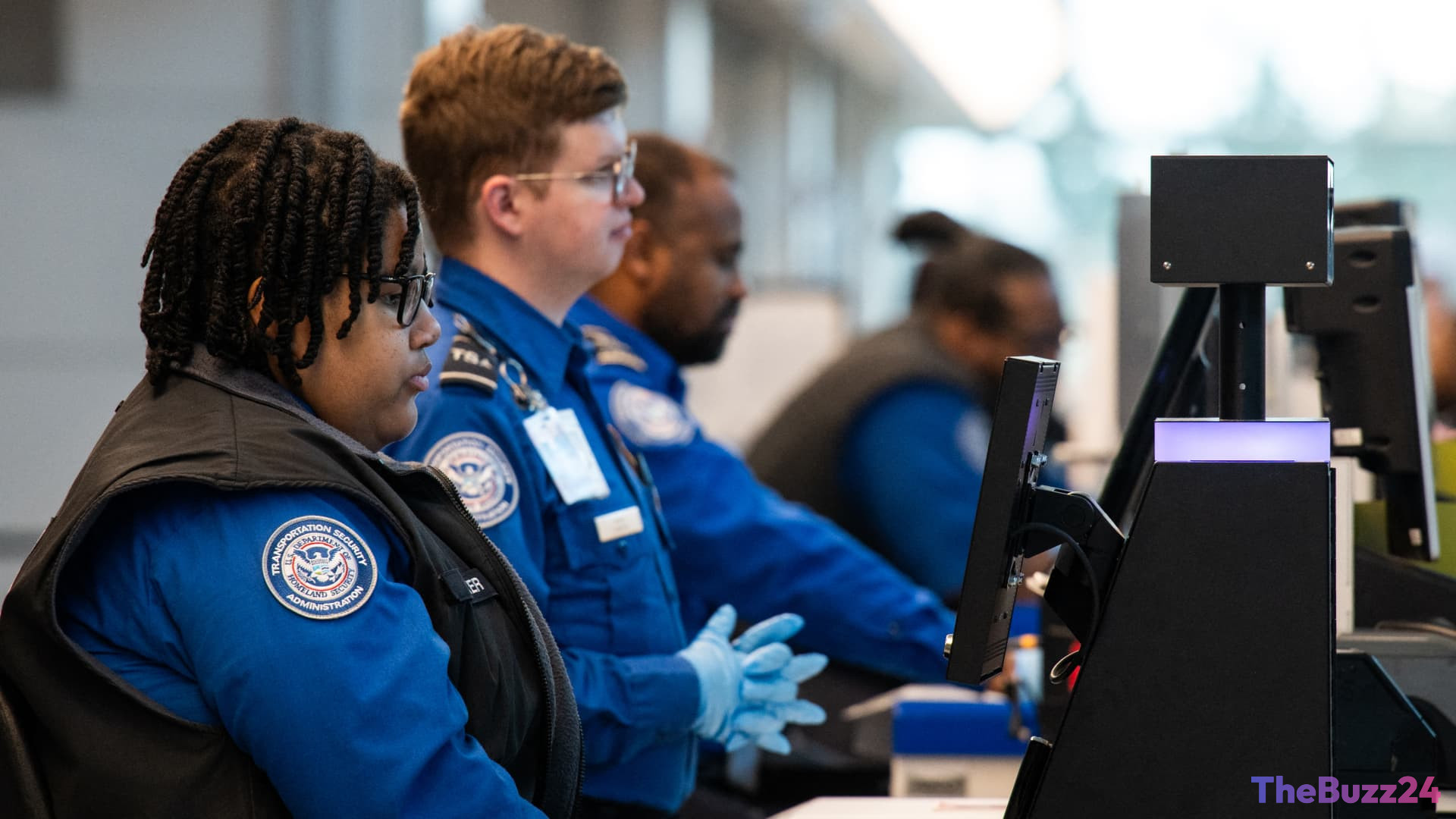
President Donald Trump has officially signed a funding bill aimed at restoring operations for the majority of the Department of Homeland Security, effectively concluding a partial government shutdown that had been ongoing since February. This legislative action provides immediate relief to thousands of Transportation Security Administration (TSA) agents who were facing the threat of missed paychecks and ongoing operational instability, which had previously caused widespread travel disruptions at airports across the country.
The enactment of this bill follows a period of intense legislative deadlock. House leadership had initially blocked the Senate-approved measure, primarily due to disputes regarding the exclusion of specific funding for Immigration and Customs Enforcement (ICE) and segments of Customs and Border Protection. While the current legislation stabilizes the broader agency, these specific immigration enforcement branches remain without dedicated funding, forcing lawmakers to pivot toward a budget reconciliation process to resolve the shortfall by a June 1 deadline.
Political friction surrounding the package was intensified by a January incident in Minneapolis involving federal agents, which led to a withdrawal of support from Democrats for immigration-related expenditures. Meanwhile, Republican leadership, including House Speaker Mike Johnson, navigated significant internal pressure to prioritize immigration enforcement funding. With the immediate shutdown crisis resolved, the focus in Washington has now shifted to the upcoming reconciliation process, which is intended to secure the necessary resources for ICE and Border Patrol for the remainder of the President’s term.
Key Takeaways
- President Trump signed a bill restoring funding to most of the Department of Homeland Security, ending a partial government shutdown.
- The legislation provides relief to TSA agents who were facing potential pay delays and operational uncertainty.
- Funding for ICE and specific Customs and Border Protection segments remains unresolved, with a budget reconciliation deadline set for June 1.
Editor’s Analysis & Impact
The resolution of this partial government shutdown provides a temporary reprieve for federal operations, yet it highlights the persistent volatility in legislative cooperation regarding immigration policy. By deferring the funding of ICE and Border Patrol to a reconciliation process, Congress has effectively kicked the can down the road, ensuring that immigration will remain a central, contentious theme in upcoming budget negotiations. The market impact is largely centered on the stabilization of federal services, which prevents further economic drag on the travel and aviation sectors. However, the reliance on reconciliation suggests that future fiscal debates will likely be just as polarized. Investors and stakeholders should monitor the June 1 deadline closely, as any failure to reach a consensus by that date could reignite shutdown fears and further complicate the administration’s broader policy agenda.
Frequently Asked Questions
Q: Why were TSA agents affected by the government shutdown?
A: TSA agents were impacted because the lack of a funding bill meant the agency could not process payroll, leading to the risk of missed paychecks and operational instability.
Q: What is the next step for the unfunded immigration agencies?
A: Lawmakers are now pursuing a budget reconciliation process to secure the necessary funding for ICE and Border Patrol, with a target deadline of June 1.
AI Disclosure: This article is based on verified data and official reports. Our Team and AI have cross-referenced every financial detail with primary sources to ensure total accuracy.
More from this Category