Executive Order on Mail-In Voting Faces Immediate Legal Challenges
Former President Donald Trump has issued a new executive order aimed at imposing stricter federal oversight on mail-in voting procedures. The directive mandates that the Department of Homeland Security and the Social Security Administration collaborate to create a centralized registry of verified U.S. citizens eligible to vote, which would then be distributed to state election officials. Additionally, the order directs the Attorney General to prioritize the prosecution of those distributing ballots to ineligible voters and suggests that federal funding could be withheld from states that fail to comply with these new federal standards.
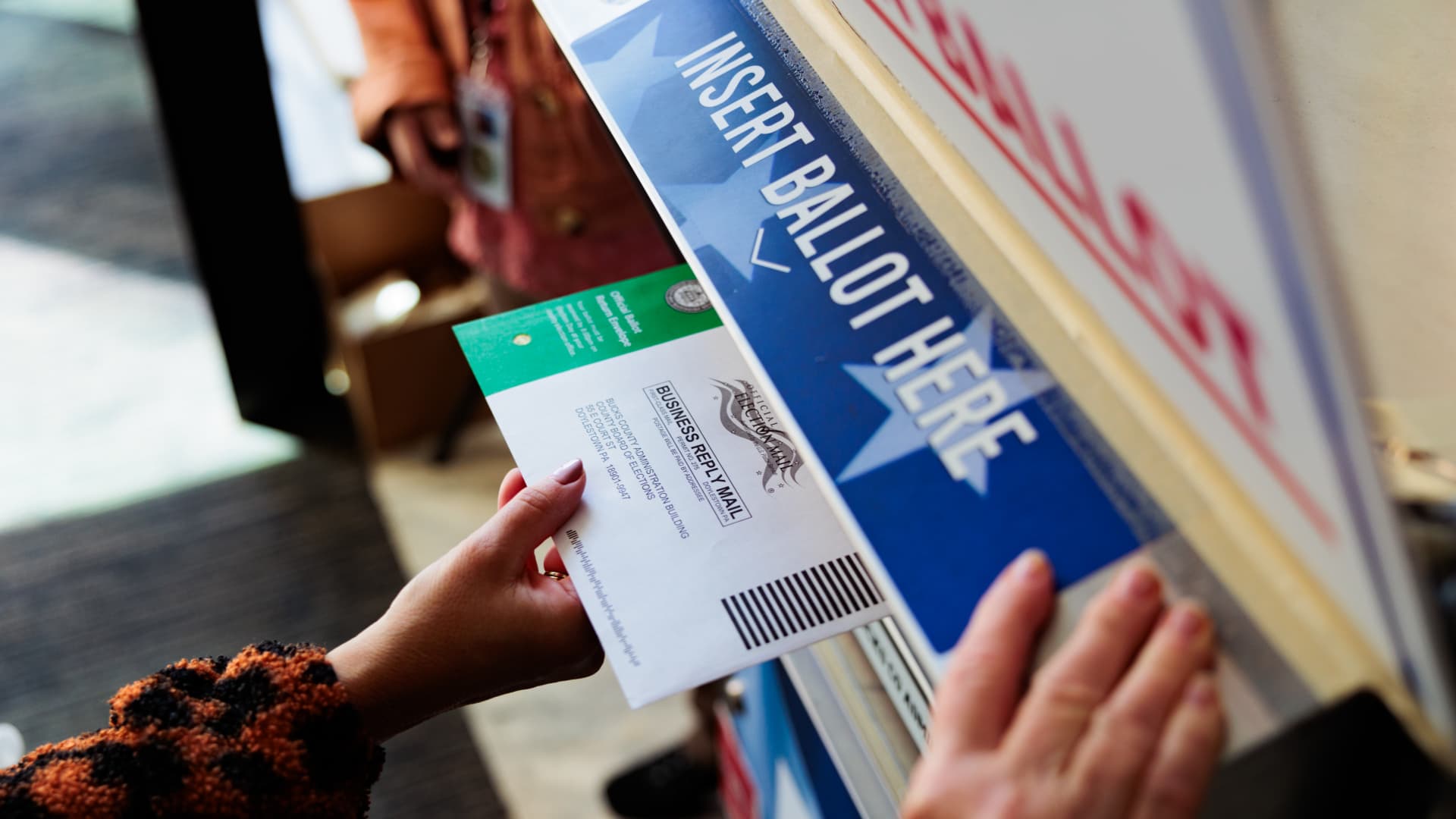
The order also introduces specific operational requirements for the U.S. Postal Service, including the mandate that ballots only be sent to individuals on verified participation lists and that all election mail be clearly marked with unique tracking barcodes. These measures are framed by the former president as necessary steps to ensure election integrity, echoing his long-standing claims regarding the security of mail-in ballots during the 2020 election cycle.
Legal experts and voting rights advocates have immediately pushed back, arguing that the order oversteps the bounds of executive authority. Under the U.S. Constitution, the administration of elections is primarily a state-level responsibility, leading many to conclude that the federal government lacks the legal standing to unilaterally dictate these procedural changes. Various state attorneys general and civil rights organizations, including the NAACP, have signaled their intent to challenge the order in court, citing concerns that it could lead to widespread voter disenfranchisement.
This executive action mirrors the goals of the proposed SAVE America Act, which seeks to mandate photo identification and proof of citizenship for all voters. While the legislation has seen movement in the House of Representatives, it remains stalled in the Senate. The executive order serves as a strategic effort to implement these voting restrictions through administrative channels as the nation approaches the upcoming midterm elections.
Key Takeaways
- The executive order mandates a federal registry of eligible voters and threatens to withhold funding from non-compliant states.
- Legal scholars argue the order violates the constitutional principle that states hold primary authority over election administration.
- Civil rights groups and state officials are preparing immediate legal challenges to block the implementation of the new directives.
Editor’s Analysis & Impact
The issuance of this executive order represents a significant escalation in the ongoing debate over election security versus voter access. By attempting to centralize election oversight at the federal level, the order challenges the long-standing precedent of state-controlled elections, setting the stage for a protracted legal battle that will likely reach the Supreme Court. From a market and industry perspective, this creates significant uncertainty for state election boards and the U.S. Postal Service, both of which face potential operational paralysis if the order is not stayed by the courts. The broader implication is a deepening of the partisan divide regarding democratic processes, which may influence voter turnout and public trust in electoral outcomes as the midterm elections approach. Investors and stakeholders in government-related infrastructure should monitor these legal developments closely, as they could lead to sudden shifts in federal funding and administrative requirements.
Frequently Asked Questions
Q: What does the executive order require of the U.S. Postal Service?
A: The order requires the USPS to transmit ballots only to individuals on state-specific participation lists and ensures all ballots are sent in secure envelopes with unique tracking barcodes.
Q: Why are legal experts challenging the order?
A: Critics argue that the U.S. Constitution grants states the authority to manage their own elections, meaning the executive branch lacks the legal power to unilaterally change state-level voting procedures.
AI Disclosure: This article is based on verified data and official reports. Our Team and AI have cross-referenced every financial detail with primary sources to ensure total accuracy.
More from this Category