Trump Urges Supreme Court to Unblock $400 Million White House Ballroom Project
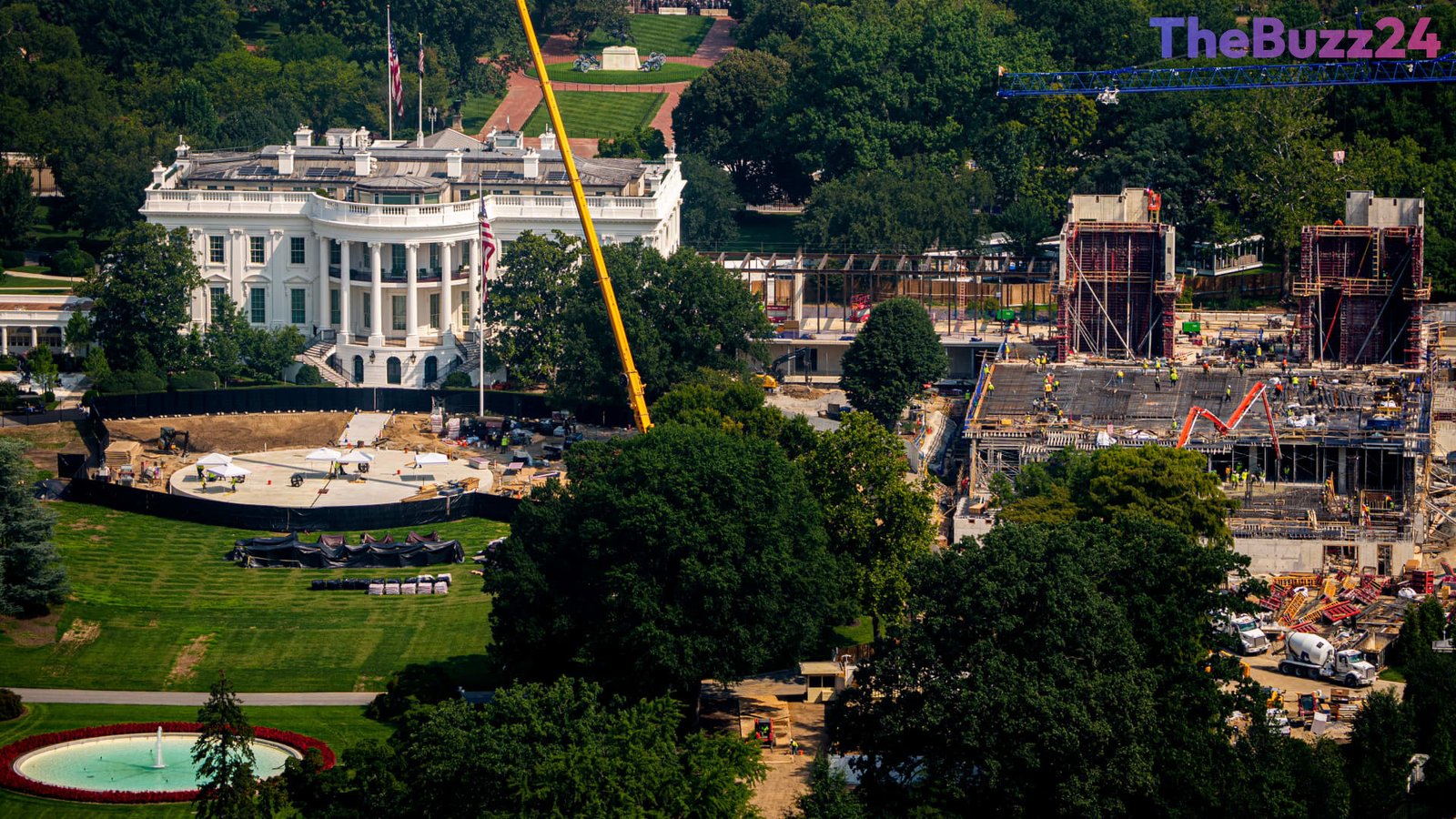
The administration has officially appealed to the Supreme Court to lift a federal injunction halting the construction of a controversial $400 million ballroom at the White House. This legal maneuver comes just days after an appeals court ruled that the massive building project, situated where the former East Wing once stood, must be immediately suspended. The initial demolition of the East Wing last year without prior congressional notification sparked widespread debate and subsequent legal challenges from preservation groups.
Legal representatives for the administration emphasized the urgent necessity of the project, framing the new structure as an essential national security asset. Central to this argument is the inclusion of a specialized rooftop drone port, which officials claim directly bolsters military readiness and overall site safety. Court filings underscore that halting the development would improperly undermine executive authority on matters concerning the immediate protection of the president, staff, and visiting foreign dignitaries.
Conversely, opposition groups such as the National Trust for Historic Preservation are fiercely pushing back against the emergency appeal. Opponents maintain that the administration bypassed lawful channels and ignored legislative oversight to advance the construction. As the legal battle escalates to the nation’s highest court, the final decision will determine whether the multimillion-dollar complex can proceed or remain indefinitely stalled.
Key Takeaways
- The administration filed an emergency appeal with the Supreme Court to resume construction on the $400 million White House ballroom.
- A lower federal appeals court previously ordered a halt to the project, which occupies the former site of the demolished East Wing.
- Officials justify the continuation of the project by citing national security needs and the inclusion of a secure rooftop drone port.
Editor’s Analysis & Impact
The legal confrontation over the White House ballroom construction highlights a profound tension between executive powers and judicial oversight regarding federal property and national security claims. By framing a civilian entertainment and diplomatic space as an integrated military complex with defensive capabilities, the administration is testing the boundaries of executive privilege in judicial reviews. Regardless of the Supreme Court’s impending decision, this case sets a significant precedent for how future infrastructure projects on historic federal grounds are challenged and regulated. The broader implications extend into the realm of administrative law, potentially reshaping the judiciary’s role in evaluating executive actions justified under the umbrella of national security.
Frequently Asked Questions
Q: Why was construction on the White House ballroom halted?
A: A federal appeals court upheld an injunction stopping the project after the National Trust for Historic Preservation filed a lawsuit arguing the East Wing was demolished and the project initiated without proper congressional notification.
Q: What reason does the administration give for continuing the project?
A: The administration argues that the new complex is vital to national security and military readiness because it features a secure rooftop drone port and provides necessary safety measures for the president, staff, and visiting foreign leaders.
Q: What is the total estimated cost of the ballroom project?
A: The building project is valued at approximately $400 million.
AI Disclosure: This article is based on verified data and official reports. Our Team and AI have cross-referenced every financial detail with primary sources to ensure total accuracy.
More from this Category