Two-Speed Economy: China’s Factory Inflation Hits 2-Year High as Consumer Demand Falters
China’s economic recovery is showing a stark divide, with consumer inflation slowing down in June while factory-gate prices surged to their highest level in nearly two years. Official data reveals that the Consumer Price Index (CPI) grew by 1.0% year-on-year, falling short of the projected 1.1% and marking a deceleration from May’s 1.2% growth. This cooling consumer demand highlights persistent domestic weakness, even as global factors push wholesale costs upward.
In contrast, the Producer Price Index (PPI) climbed 4.1% compared to the previous year, accelerating from May’s 3.9% increase. This surge represents the fastest growth since July 2022, driven largely by rising commodity costs linked to geopolitical tensions in the Middle East and a low comparison base from last year. Additionally, a global boom in artificial intelligence has spiked demand for semiconductors and tech hardware, further inflating wholesale prices. However, on a month-on-month basis, PPI dipped 0.3%, indicating that manufacturers are struggling to pass these elevated input costs down to cautious consumers.
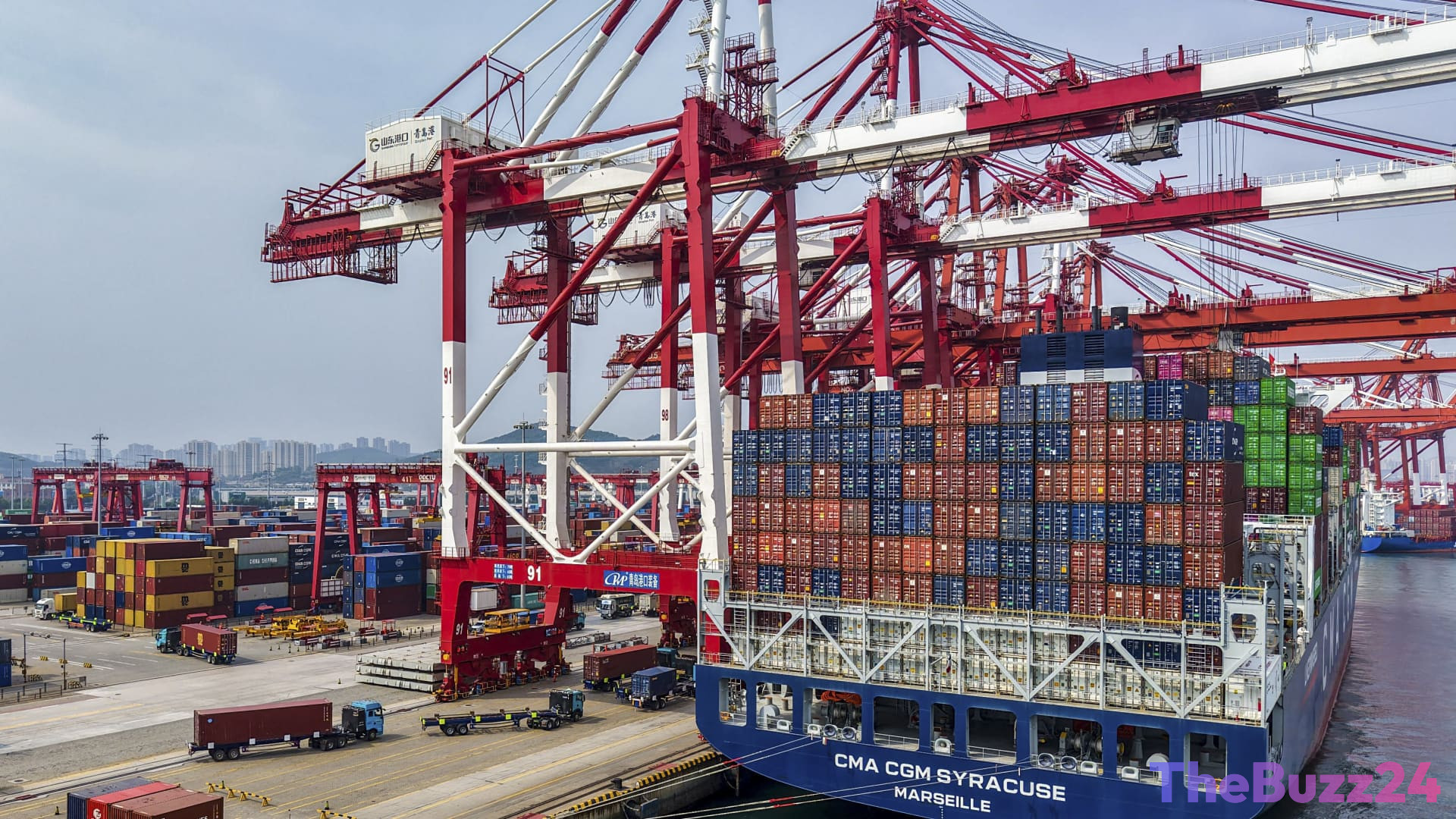
The widening gap between robust industrial exports and sluggish domestic consumption has created a “two-speed” economy. While high-tech manufacturing and foreign demand continue to prop up the nation’s GDP—prompting the International Monetary Fund to upgrade its annual growth forecast for China to 4.6%—the domestic housing slump continues to weigh heavily on household wealth and consumer sentiment. Consequently, Beijing policymakers face a dilemma; the export-driven resilience may delay aggressive economic stimulus measures, though market observers are closely watching an upcoming high-level Politburo meeting in late July for potential policy shifts.
Key Takeaways
- China's consumer inflation slowed to 1.0% in June, missing expectations and highlighting weak domestic demand.
- Producer prices surged by 4.1% year-on-year, marking the fastest wholesale inflation growth since mid-2022, fueled by AI tech demand and commodity costs.
- The stark divergence between strong high-tech exports and sluggish consumer spending complicates Beijing's stimulus plans.
Editor’s Analysis & Impact
China’s latest inflation metrics underscore a structural imbalance that could define its economic trajectory for the foreseeable future. The “two-speed” phenomenon—where external demand for high-tech goods and AI infrastructure drives manufacturing, while domestic real estate woes suppress consumer spending—creates a complex environment for policymakers. Because export channels remain highly active, Beijing is unlikely to deploy massive, broad-based monetary stimulus that could risk inflating debt. Instead, targeted support for technology sectors and strategic infrastructure will likely remain the priority. For global markets, this means China will continue to act as a powerful industrial supplier, but its role as a massive consumer engine for global brands may remain muted until domestic consumer confidence is restored.
Frequently Asked Questions
Q: Why is there a gap between China's consumer and producer inflation?
A: Producer inflation is being driven up by global commodity costs, geopolitical supply disruptions, and high demand for AI-related technology. However, weak domestic consumer confidence, largely tied to a prolonged housing market downturn, prevents factories from passing these higher costs onto everyday consumers, keeping consumer inflation low.
Q: How does this economic data affect China's growth outlook?
A: Despite weak domestic consumption, strong high-tech manufacturing and exports led the International Monetary Fund (IMF) to raise China's growth forecast to 4.6% for the year, aligning with Beijing's official target of 4.5% to 5%.
Q: Will the Chinese government introduce new economic stimulus?
A: Major stimulus is unlikely in the immediate term due to the resilience of the export sector. However, economists are looking toward the late July Politburo meeting as the next potential window for policymakers to adjust economic support measures.
AI Disclosure: This article is based on verified data and official reports. Our Team and AI have cross-referenced every financial detail with primary sources to ensure total accuracy.
More from this Category