U.S. and Iran Make Diplomatic Strides Amid Regional Tensions
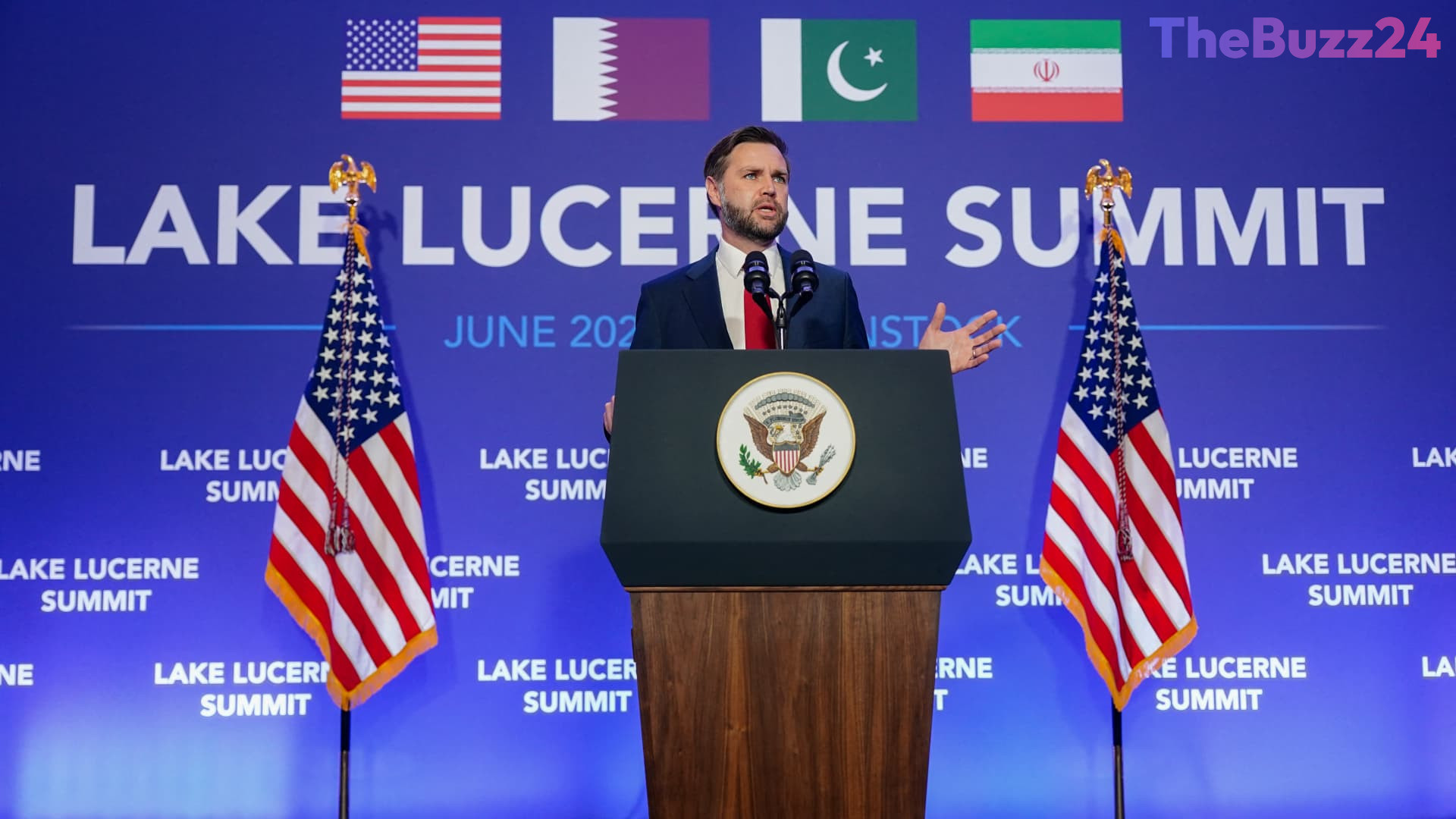
U.S. Vice President JD Vance has reported significant progress in ongoing diplomatic negotiations with Iran, despite a backdrop of regional instability and aggressive rhetoric. Speaking from Bürgenstock, Switzerland, Vance characterized the discussions as productive, noting that both sides have managed to maintain a dialogue even as tensions flared over the weekend following Iran’s decision to close the Strait of Hormuz in response to Israeli military actions in Lebanon.
A central breakthrough in these talks is Iran’s agreement to allow International Atomic Energy Agency (IAEA) inspectors to return to the country. Vance described this development as a major milestone, framing it as the foundational step toward the permanent denuclearization of Iran. While acknowledging that the process remains in its early stages, the Vice President emphasized that a deconfliction mechanism is being established to prevent localized skirmishes from spiraling into a broader regional conflict.
Beyond nuclear oversight, the administration is focusing on economic and logistical stability. The closure of the Strait of Hormuz, a critical artery for approximately 25% of the global energy supply, remains a primary concern. To address this, officials are working on a framework involving Qatar that would govern the potential unfreezing of Iranian assets. Under this proposed structure, any released funds would be strictly earmarked for humanitarian aid and agricultural support, a strategy the administration is branding as a hallmark of its deal-making approach.
Key Takeaways
- Iran has agreed to readmit IAEA nuclear inspectors, marking a significant step toward potential denuclearization.
- The U.S. is implementing a deconfliction mechanism to prevent regional tensions from escalating into a wider war.
- A proposed financial framework would ensure that any unfrozen Iranian assets are restricted to humanitarian and agricultural use.
Editor’s Analysis & Impact
The diplomatic developments in Bürgenstock represent a high-stakes attempt to recalibrate U.S.-Iran relations through a transactional, ‘deal-based’ framework. By prioritizing IAEA access and linking asset unfreezing to humanitarian outcomes, the administration is attempting to bypass traditional geopolitical gridlock. However, the volatility of the Strait of Hormuz underscores the fragility of these talks; as long as the waterway remains a tool for political leverage, global energy markets will remain sensitive to every diplomatic shift. The success of this strategy hinges on whether the administration can maintain regional security while simultaneously satisfying domestic political demands for a ‘classic deal.’ If successful, this could establish a new blueprint for managing adversarial relationships, but failure risks further entrenching the current regional instability.
Frequently Asked Questions
Q: Why did Iran close the Strait of Hormuz?
A: Iran closed the strait in response to Israeli military strikes in Lebanon, which Tehran claimed were a violation of existing ceasefire agreements.
Q: What is the significance of the IAEA inspectors returning to Iran?
A: The return of IAEA inspectors is considered a major milestone toward the goal of permanently ending Iran's nuclear weapons program through international oversight.
AI Disclosure: This article is based on verified data and official reports. Our Team and AI have cross-referenced every financial detail with primary sources to ensure total accuracy.
More from this Category