U.S. and Iran Set for Diplomatic Talks in Qatar Following Weekend Hostilities
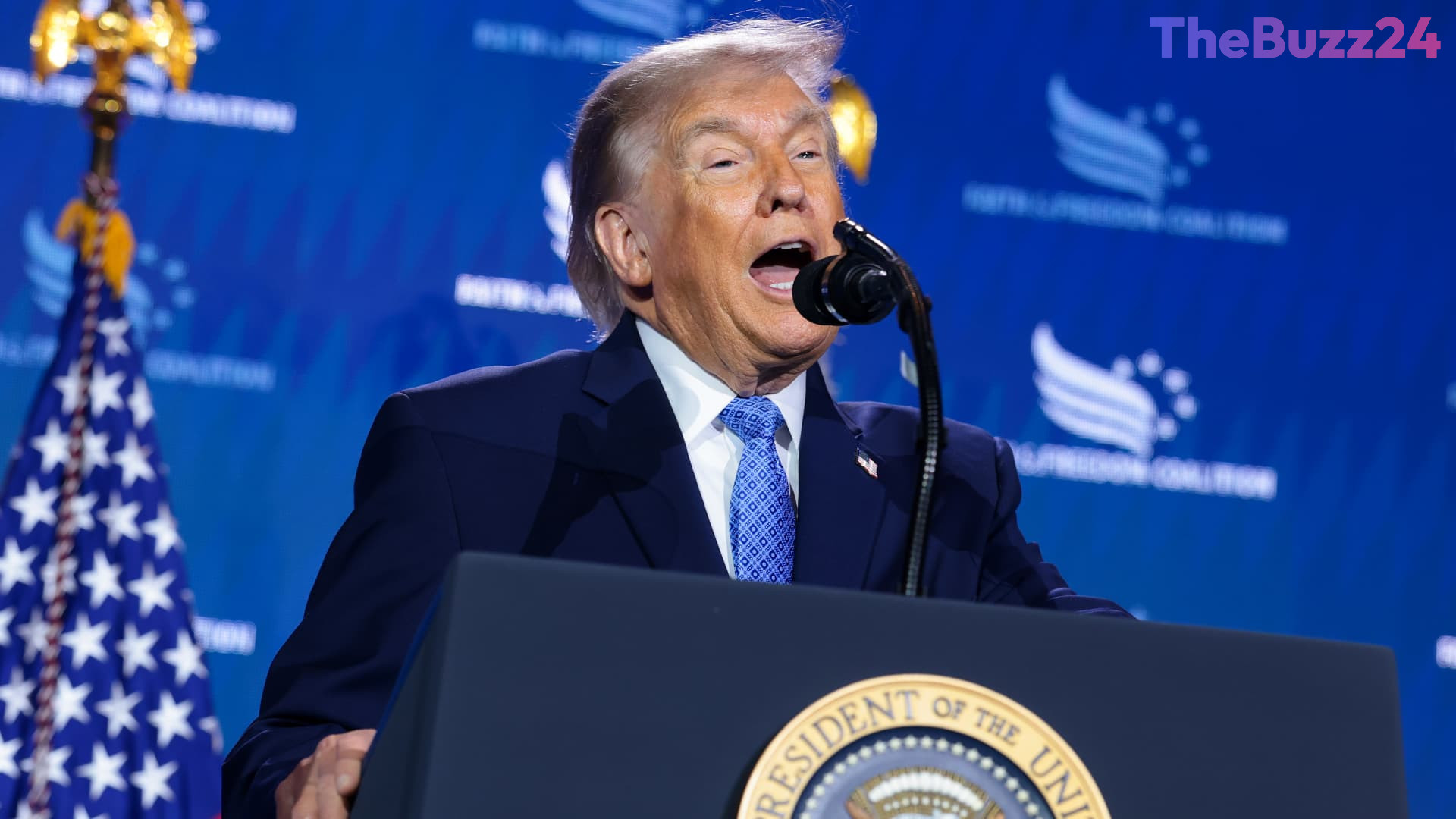
The United States and Iran are scheduled to engage in fresh diplomatic discussions in Doha, Qatar, this Tuesday. The announcement, made by President Donald Trump, follows a volatile weekend marked by a series of military strikes between the two nations that threatened to destabilize ongoing peace negotiations.
While the specific agenda for the meeting remains undisclosed, the White House has confirmed that Secretary of State Marco Rubio and special envoys Steve Witkoff and Jared Kushner are actively involved in the diplomatic process. Officials are expected to brief Congress on the status of a potential peace deal, which aims to address the recent escalation of violence and secure the safety of commercial shipping lanes.
The recent hostilities centered on the Strait of Hormuz, a critical global energy chokepoint that facilitates the transit of approximately 20% of the world’s oil. Following U.S. strikes on Iranian military targets in response to attacks on maritime vessels, both sides have signaled a temporary pause in active combat to facilitate these technical discussions. The administration maintains that while it remains committed to a ceasefire, it reserves the right to respond to further aggression.
President Trump has emphasized the importance of these talks while simultaneously highlighting the recent stabilization of global oil and gas prices. As the international community watches, the outcome of the Doha meeting will be pivotal in determining whether the current de-escalation holds or if the region faces a renewed period of military confrontation.
Key Takeaways
- The U.S. and Iran are set to hold diplomatic talks in Doha, Qatar, following a weekend of military strikes.
- The discussions aim to secure the Strait of Hormuz, a vital waterway for global oil transit, and advance a potential peace deal.
- U.S. officials, including Secretary of State Marco Rubio, are briefing Congress on the progress of these negotiations.
Editor’s Analysis & Impact
The upcoming talks in Doha represent a high-stakes attempt to prevent a broader regional conflict that could have catastrophic consequences for global energy markets. The Strait of Hormuz is a critical artery for the global economy, and any prolonged disruption there would likely trigger significant volatility in oil prices and supply chains. From a geopolitical perspective, the administration is balancing a ‘peace through strength’ approach—utilizing military deterrence alongside diplomatic engagement. The success of these talks depends on whether both parties can move beyond the current cycle of retaliatory strikes to establish a durable memorandum of understanding. If these negotiations fail, the risk of a full-scale military confrontation remains high, which would likely lead to a sharp spike in energy costs and further economic instability in the Middle East.
Frequently Asked Questions
Q: Why is the Strait of Hormuz significant to these talks?
A: The Strait of Hormuz is a vital maritime chokepoint that handles approximately 20% of the world's oil traffic, making it a primary focus for international security and economic stability.
Q: What is the current status of the ceasefire between the U.S. and Iran?
A: Both nations have agreed to a temporary pause in hostilities to allow for technical talks in Doha, though the U.S. has maintained that it retains the right to use military force if the ceasefire is violated.
AI Disclosure: This article is based on verified data and official reports. Our Team and AI have cross-referenced every financial detail with primary sources to ensure total accuracy.
More from this Category