U.S. Asserts Permanent Control Over Strait of Hormuz, Ending Iran’s Leverage
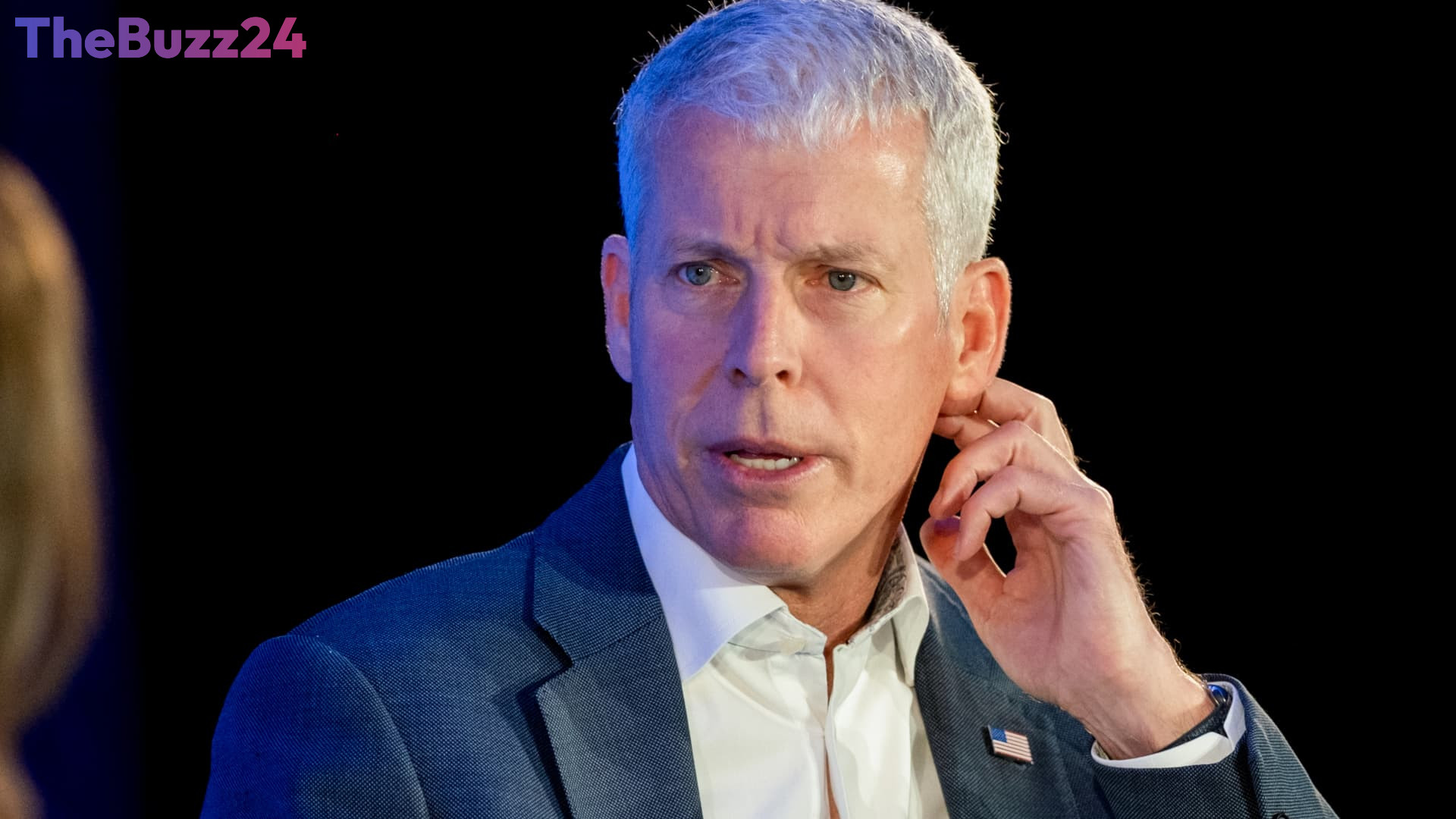
The United States has declared an end to Iran’s capacity to close the vital Strait of Hormuz, a critical global chokepoint for oil shipments. This assertion comes from Energy Secretary Chris Wright, who highlighted the ongoing presence of U.S. military escorts for commercial vessels as the decisive factor. This strategic move, according to Wright, effectively neutralizes a key point of leverage Iran has historically held in regional and international affairs.
Secretary Wright detailed the significant volume of maritime traffic through the strait, noting that 17 million barrels of oil traversed Hormuz during a recent period when Iran had attempted to declare the waterway closed. More recently, 72 ships carrying 19 million barrels of oil passed through the strait within a 24-hour window. Trade intelligence firm Kpler has corroborated a consistent flow, reporting approximately 4.8 million barrels per day exiting the strait since a recent agreement between the U.S. and Iran to reopen the sea lane.
The U.S. naval escorts, navigating through Oman’s territorial waters in the southern part of the strait, are crucial in preventing any Iranian attempts to intercept commercial shipping. The Trump administration has affirmed its commitment to ensuring a stable global energy supply. However, the U.S. has also indicated a readiness to reimpose its naval blockade should Iran fail to meet Washington’s demands, with Wright stating that if a comprehensive deal with Iran remains elusive, the U.S. will guarantee energy flow while Iran faces severe repercussions.
Despite a recent 60-day waiver on sanctions for Iranian oil sales, the U.S. maintains that this does not constitute a significant victory for the Islamic Republic, as no funds have been unfrozen or released to Tehran. For Iran to secure meaningful concessions, it must deliver substantial wins for the U.S. and contribute to global security. The current agreement, which saw the U.S. lift its naval blockade and Iran agree to allow ships to pass without tolls for 60 days, leaves the long-term governance of Hormuz uncertain, with discussions expected between Iran, Oman, and other Gulf neighbors.
Key Takeaways
- The U.S. asserts that its military escorts have permanently ended Iran's ability to close the Strait of Hormuz, removing a significant point of Iranian leverage.
- Despite a recent 60-day waiver on Iranian oil sanctions, the U.S. has not unfrozen any funds and demands 'meaningful wins' from Iran for further concessions.
- The Trump administration is committed to ensuring global energy supply, but warns of potential reimposition of naval blockade and severe consequences for Iran if demands are not met.
Editor’s Analysis & Impact
This development signals a significant shift in the geopolitical dynamics surrounding the Strait of Hormuz, a critical artery for global oil trade. The U.S. stance, if maintained, could stabilize energy markets by reducing the perceived risk of supply disruptions from the region. However, it also escalates tensions with Iran, potentially pushing the Islamic Republic to seek alternative forms of leverage or retaliatory measures. The long-term implications for regional security are complex, as Iran’s diminished ability to threaten the strait could lead to a more assertive U.S. foreign policy in the Gulf, but also increase the risk of direct confrontation. The market will closely watch the 60-day period and subsequent negotiations for clarity on the strait’s future governance and the broader U.S.-Iran relationship.
Frequently Asked Questions
Q: Why is the Strait of Hormuz so important?
A: The Strait of Hormuz is a narrow waterway connecting the Persian Gulf to the Arabian Sea and the open ocean. It is one of the world's most strategically important chokepoints, through which a significant portion of the world's oil supply (historically around 20%) passes daily, making its security crucial for global energy markets.
Q: What role do U.S. military escorts play in the Strait of Hormuz?
A: U.S. military escorts accompany commercial ships through the Strait of Hormuz to deter and prevent any attempts by Iran or other actors to interdict, harass, or close the waterway. This presence is intended to ensure the free flow of international shipping and maintain global energy supply.
Q: What are the conditions for Iran to receive 'meaningful wins' from the U.S.?
A: According to Energy Secretary Chris Wright, for Iran to receive meaningful concessions or benefits from the U.S., it must deliver 'meaningful wins' for the U.S. and contribute to 'security for the world.' This implies a requirement for Iran to meet specific U.S. demands and demonstrate a commitment to regional and global stability.
AI Disclosure: This article is based on verified data and official reports. Our Team and AI have cross-referenced every financial detail with primary sources to ensure total accuracy.
More from this Category