U.S. Economic Growth Moderates to 1.5% in Second Quarter as Inflation Remains Elevated
The U.S. economy experienced a slower growth trajectory during the second quarter, expanding at a 1.5% annualized rate as pullbacks in government spending and inventories weighed on the headline figures. Despite the modest headline expansion, core economic drivers such as consumer demand demonstrated underlying resilience, even as policymakers continue grappling with persistent inflationary pressures.
Simultaneously, price metrics closely monitored by the Federal Reserve showed inflation holding comfortably above the central bank’s desired 2% objective. The personal consumption expenditures price index indicated a steady annual inflation rate, while core readings, which strip out volatile food and energy components, registered at 3.3% annually. These ongoing dynamics present a complex challenge for central bank officials as they weigh future monetary policy adjustments.
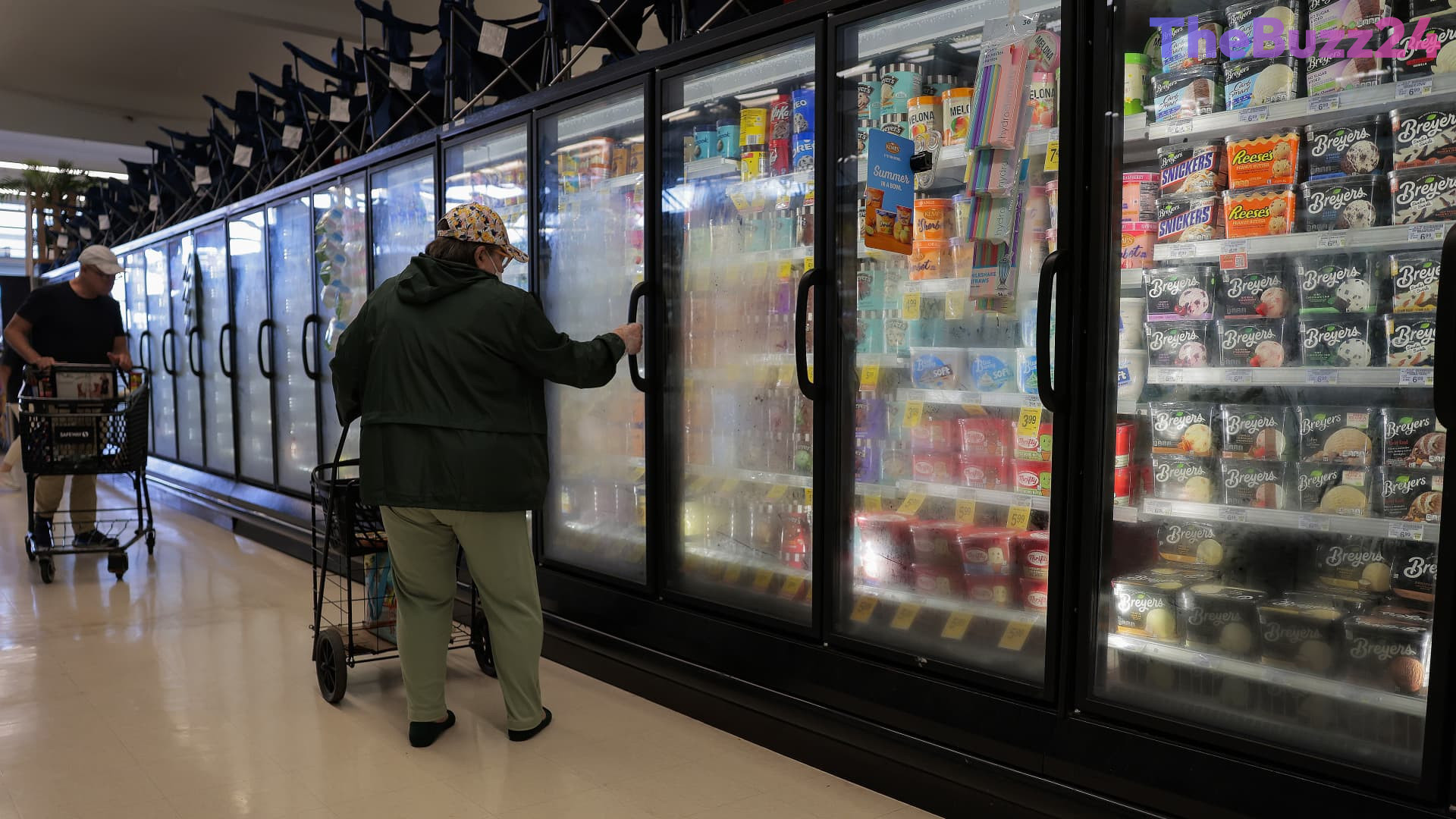
Consumer resilience remained a central theme throughout the period, with personal spending advancing at a solid pace. However, this spending was partially offset by a drop in the personal savings rate to a four-year low of 2.7%, signaling that households are increasingly drawing on reserves to sustain expenditures. While private domestic demand remained robust, the interplay between moderating economic expansion and sticky inflation continues to shape the broader financial landscape.
Key Takeaways
- Gross domestic product expanded at a 1.5% annualized rate in the second quarter, missing economist expectations.
- Core personal consumption expenditures inflation registered at 3.3% annually, remaining above the Federal Reserve's 2% target.
- The personal savings rate declined to a four-year low of 2.7% as consumers continued spending despite economic headwinds.
Editor’s Analysis & Impact
The latest economic data paints a picture of a resilient yet moderating U.S. economy. While the headline GDP growth rate of 1.5% fell short of consensus forecasts, the underlying details—particularly strong private domestic demand—suggest that the expansion is on firmer footing than the top-line number implies. Nevertheless, the persistence of core inflation above the Federal Reserve’s 2% target complicates the path forward for monetary policy. With the savings rate dropping to a four-year low, questions loom over the sustainability of consumer-driven growth in the coming quarters. Policymakers will likely remain cautious, balancing the risk of prematurely easing monetary conditions against signs of cooling economic momentum.
Frequently Asked Questions
Q: What was the U.S. GDP growth rate for the second quarter?
A: The U.S. gross domestic product grew at an annualized rate of 1.5% in the second quarter, which was weaker than anticipated.
Q: How high was core inflation in June?
A: Core personal consumption expenditures inflation, which excludes food and energy, stood at 3.3% annually in June.
Q: What happened to the personal savings rate?
A: The personal savings rate fell to 2.7%, marking its lowest level in four years as consumers maintained spending.
AI Disclosure: This article is based on verified data and official reports. Our Team and AI have cross-referenced every financial detail with primary sources to ensure total accuracy.
More from this Category