U.S. Government Signals Potential Sanctions Against Chinese AI Firms Over IP Concerns
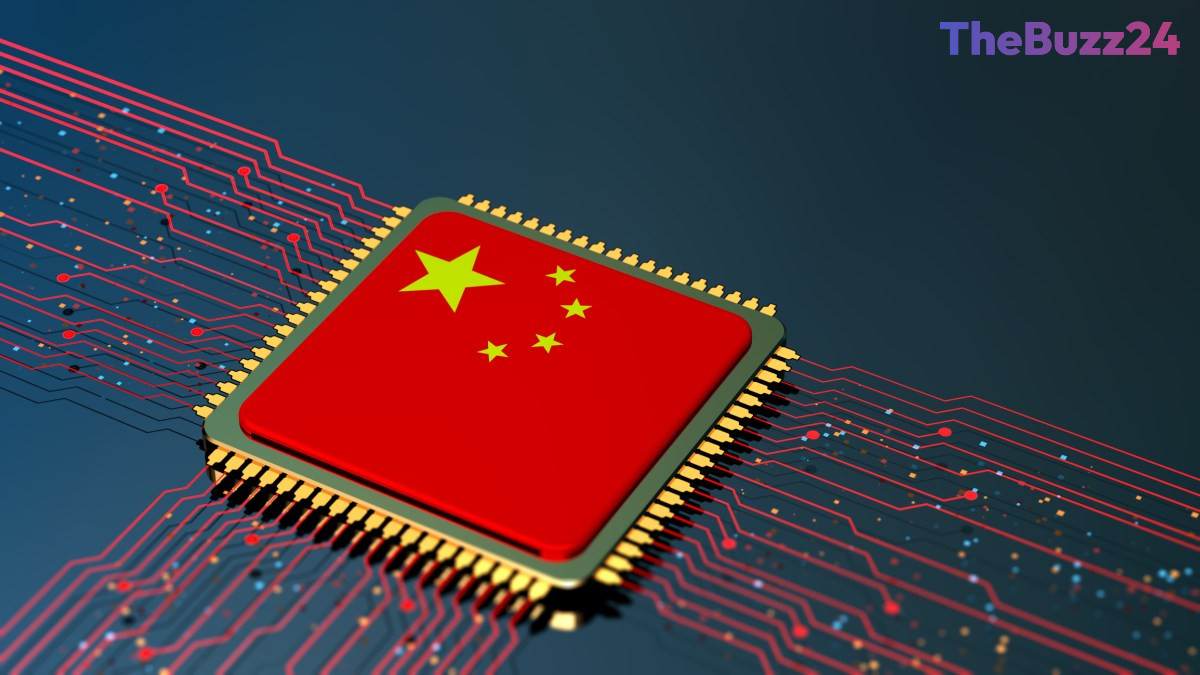
The United States government is intensifying its scrutiny of Chinese artificial intelligence development, with Treasury Secretary Scott Bessent warning that the administration is prepared to impose sanctions if evidence of intellectual property theft is uncovered. The focus of this investigation centers on open-source AI models originating from China, which officials fear may be built upon the unauthorized use of proprietary technology developed by American firms.
This shift in policy comes as Chinese-developed models, such as Moonshot AI’s Kimi K3, demonstrate rapid advancements in capability. These developments have sparked concerns among domestic industry leaders, including OpenAI and Anthropic, regarding the competitive landscape and the potential erosion of their market dominance. While the administration has expressed support for the open-source movement in principle, officials maintain that such support does not extend to the misappropriation of protected intellectual assets.
The debate over what constitutes theft in the AI sector remains contentious. Industry experts point to ‘model distillation’—a process of transferring capabilities from a larger model to a smaller one—as a common practice used by developers globally. Some tech leaders argue that accusing Chinese firms of theft ignores the significant research investments and collaborative efforts occurring within China’s own AI ecosystem. Meanwhile, the U.S. continues to explore various regulatory avenues, including potential bans and export controls, to maintain its technological edge in the global AI race.
Key Takeaways
- The U.S. Treasury is investigating Chinese open-source AI models for potential intellectual property theft.
- Sanctions are being considered as a tool to protect American AI companies from unauthorized technology replication.
- Industry experts remain divided on whether model distillation constitutes theft or standard industry practice.
Editor’s Analysis & Impact
The potential for sanctions against Chinese AI models represents a significant escalation in the ongoing technological cold war between the U.S. and China. By moving beyond hardware restrictions—such as chip export controls—to targeting the software models themselves, the U.S. is attempting to protect the commercial viability of its domestic AI labs. However, this approach faces complex legal and technical hurdles. Defining ‘theft’ in the context of model distillation is notoriously difficult, as the practice is widespread and utilized by Western companies as well. If the U.S. proceeds with aggressive sanctions, it risks triggering retaliatory measures and further fragmenting the global AI research community. The long-term implication is a bifurcated AI landscape where interoperability and collaborative research are increasingly stifled by national security concerns and protectionist policies.
Frequently Asked Questions
Q: What is model distillation in the context of AI?
A: Model distillation is a technique where a smaller, more efficient AI model is trained to replicate the performance and capabilities of a larger, more complex model.
Q: Why is the U.S. government concerned about Chinese AI models?
A: The government is concerned that Chinese firms may be using proprietary technology stolen from American companies to accelerate their own AI development, potentially threatening the competitive advantage of U.S. firms.
AI Disclosure: This article is based on verified data and official reports. Our Team and AI have cross-referenced every financial detail with primary sources to ensure total accuracy.
More from this Category