East Meets West: Bristol Myers Squibb and Hengrui Pharma Launch Multi-Billion Dollar Drug Development Alliance
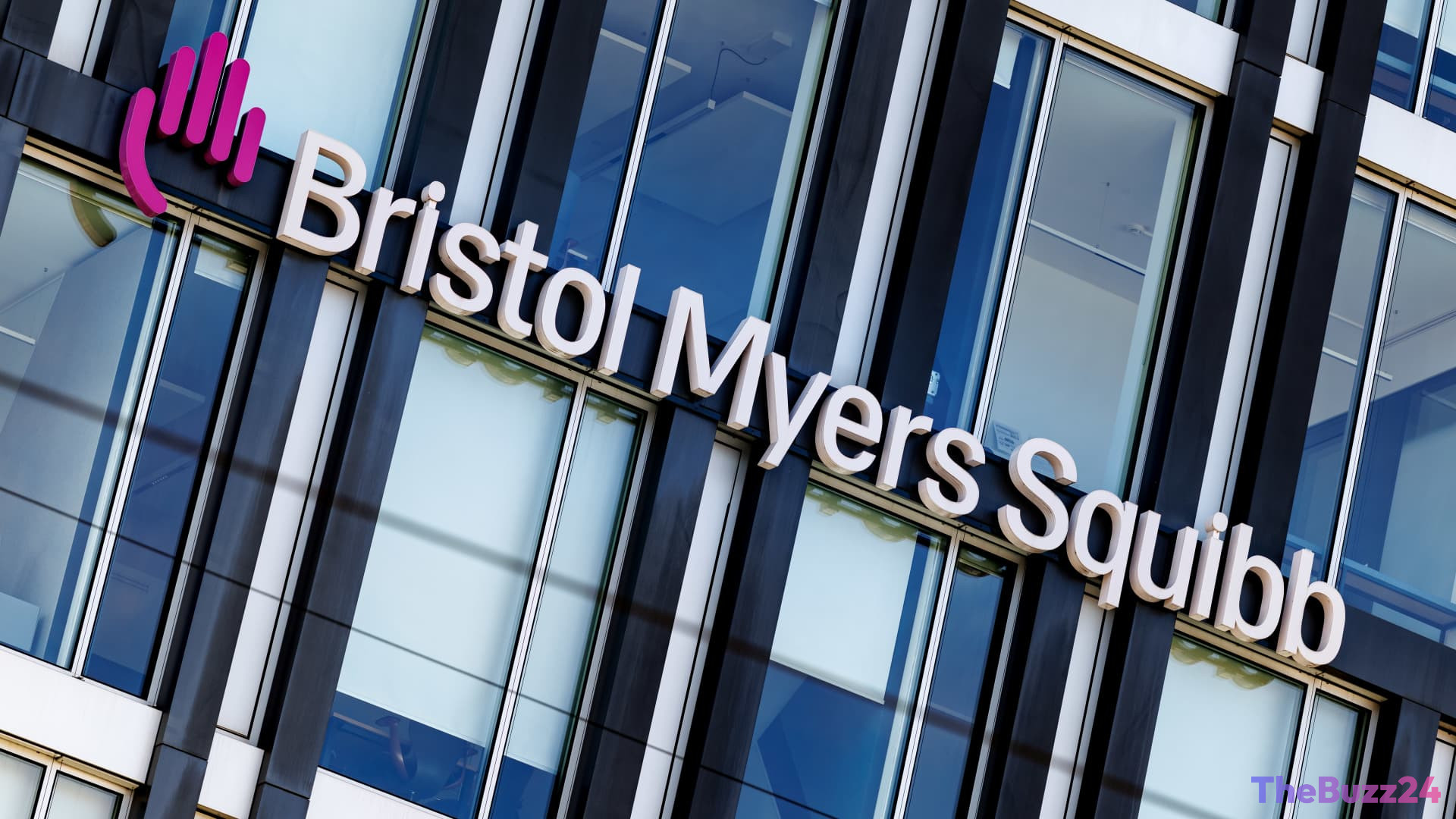
Bristol Myers Squibb has forged a massive, multi-billion-dollar strategic partnership with China’s Hengrui Pharma. This collaboration represents a major shift in how international pharmaceutical companies approach drug development. Instead of relying on standard licensing agreements, the American drugmaker is sending several of its experimental drug candidates to China for early-phase clinical trials, establishing a deeply integrated, cross-border research pipeline.
Under this new framework, approximately twelve experimental therapies are targeted for development. Specifically, Hengrui Pharma will oversee the initial clinical testing of four compounds originally discovered by Bristol Myers Squibb. This move mirrors a growing trend among Western pharmaceutical giants, including Pfizer, Merck, and AstraZeneca, who are increasingly tapping into China’s advanced research capabilities to accelerate their drug pipelines. Recent industry data indicates that over half of all major pharmaceutical licensing agreements this year have involved Chinese partners, highlighting the country’s rising dominance in global R&D.
Industry analysts point out that this partnership highlights China’s evolution from a manufacturing-heavy market to a leading global center for biomedical innovation. By utilizing China’s highly streamlined clinical trial networks, pharmaceutical companies can test a broader range of experimental treatments much faster and at a lower cost than in Western countries. While late-stage clinical trials and final regulatory approvals will still take place in the United States and Europe, shifting early-stage development to China is expected to significantly shorten the time it takes to bring new therapies to market.
Key Takeaways
- Bristol Myers Squibb is collaborating with Hengrui Pharma to conduct early-stage clinical trials of experimental compounds in China.
- The partnership highlights a broader industry trend of Western pharmaceutical companies leveraging China's cost-effective and rapid R&D infrastructure.
- Final regulatory approvals and late-stage clinical trials will remain anchored in Western markets like the U.S. and Europe.
Editor’s Analysis & Impact
The strategic alliance between Bristol Myers Squibb and Hengrui Pharma represents a pivotal moment in the globalization of pharmaceutical research and development. By outsourcing early-stage, high-risk clinical trials to China, Western pharmaceutical companies are adopting a highly efficient, decentralized model. This approach significantly reduces operational overhead and accelerates the drug development lifecycle, allowing companies to remain competitive amid rising research costs. However, this shift also prompts questions about the future of domestic R&D infrastructure in the U.S. and Europe. As China continues to mature into a premier hub for biomedical innovation, we expect to see an increase in these cross-border collaborations, ultimately reshaping how life-saving therapies are discovered, tested, and brought to global markets.
Frequently Asked Questions
Q: Why are Western pharmaceutical firms moving early-stage trials to China?
A: China offers a highly efficient clinical trial ecosystem, faster patient recruitment, and lower operational costs, enabling companies to screen and test experimental drugs much faster.
Q: Will these drugs require FDA approval to be sold in the United States?
A: Yes. Regardless of where early-stage testing occurs, any drug intended for the U.S. market must undergo rigorous late-stage clinical trials and receive formal approval from the Food and Drug Administration (FDA).
AI Disclosure: This article is based on verified data and official reports. Our Team and AI have cross-referenced every financial detail with primary sources to ensure total accuracy.
More from this Category