U.S. Military Strikes Iranian Tankers Amid Escalating Gulf of Oman Tensions
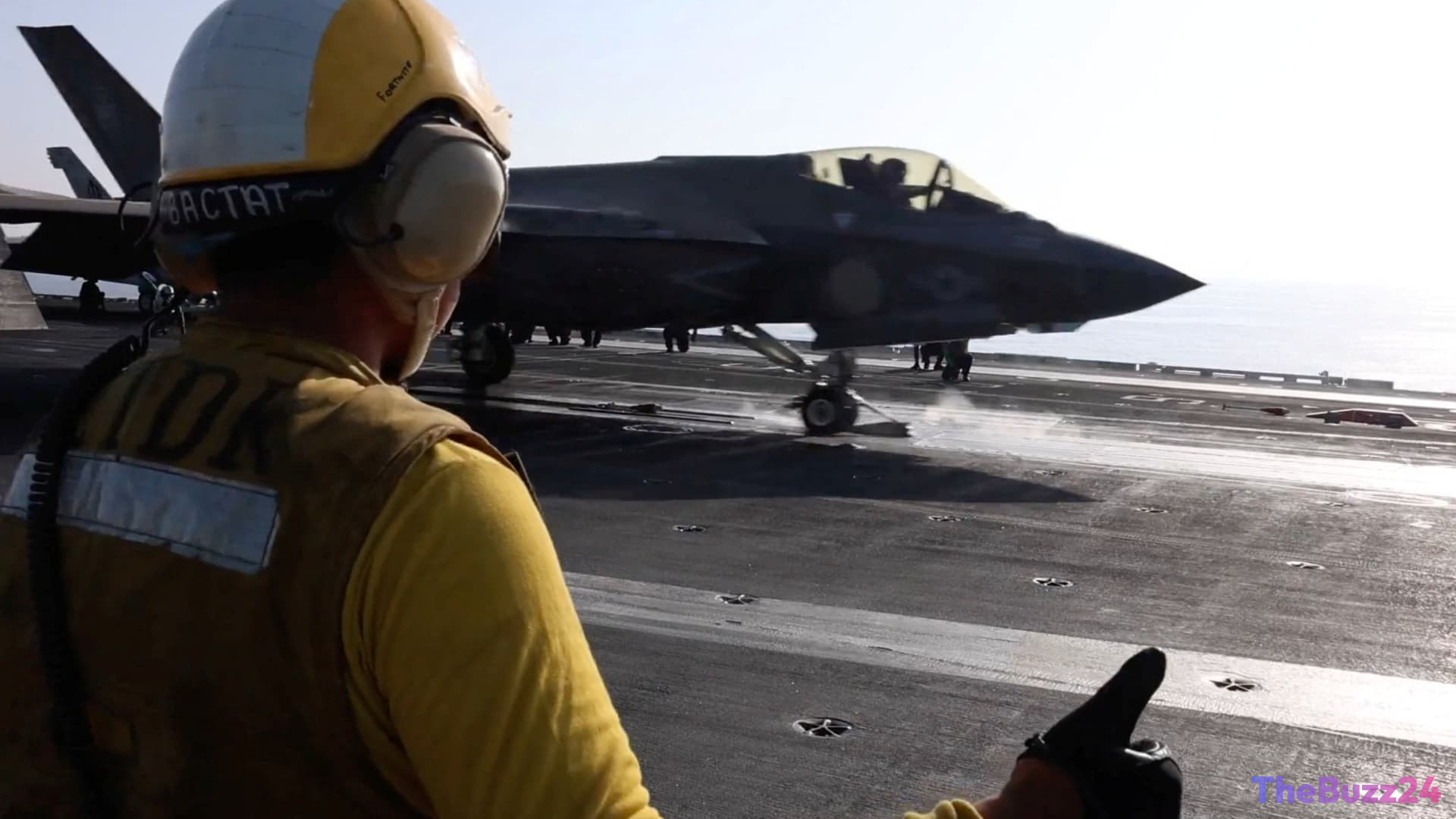
The United States military conducted precision strikes against two Iran-flagged oil tankers in the Gulf of Oman on Friday, successfully preventing the vessels from reaching an Iranian port. According to official reports, the tankers were attempting to bypass a U.S.-enforced naval blockade. A fighter jet disabled both ships by targeting their smokestacks with precision munitions, an action documented in unclassified footage released by U.S. Central Command.
These strikes represent the latest escalation in a series of military engagements this week, further straining the fragile ceasefire between the two nations. Despite the ongoing hostilities, President Donald Trump has maintained that the temporary truce remains in effect, characterizing recent exchanges as minor tactical actions. However, the President has also warned that Iran will face continued military pressure if a comprehensive nuclear agreement is not reached.
The Strait of Hormuz, a critical maritime chokepoint responsible for approximately 20% of global oil trade, has become the primary theater for this conflict. Since the outbreak of hostilities on February 28, the region has experienced significant volatility. The U.S. naval blockade of Iranian ports has effectively stifled tanker traffic, contributing to a global energy supply shock and subsequent spikes in oil prices. As diplomatic channels remain open, Secretary of State Marco Rubio has expressed cautious optimism, stating that the U.S. is awaiting a formal response from Tehran regarding a proposed framework to end the conflict and resume nuclear negotiations.
Key Takeaways
- U.S. forces disabled two Iranian oil tankers in the Gulf of Oman to enforce a naval blockade.
- The ongoing conflict in the Strait of Hormuz has disrupted global oil supplies and driven up energy prices.
- Diplomatic efforts continue as the U.S. awaits an Iranian response to a proposal aimed at ending the war and restarting nuclear talks.
Editor’s Analysis & Impact
The military engagement in the Gulf of Oman underscores the extreme fragility of global energy markets in the current geopolitical climate. By targeting the logistical infrastructure of Iranian oil exports, the U.S. is leveraging economic pressure to force diplomatic concessions. However, this strategy carries significant risks; the continued closure of the Strait of Hormuz threatens to exacerbate global inflation and supply chain instability. The market impact is immediate, with energy prices remaining highly sensitive to any reports of kinetic action in the region. Looking forward, the success of the proposed nuclear negotiations is the only clear path to de-escalation. Until a formal agreement is reached, investors and global markets should anticipate continued volatility in oil futures and potential for further localized military confrontations.
Frequently Asked Questions
Q: Why did the U.S. strike the two oil tankers?
A: The U.S. military struck the tankers because they were attempting to enter an Iranian port in direct violation of an established U.S. naval blockade.
Q: What is the significance of the Strait of Hormuz in this conflict?
A: The Strait of Hormuz is a vital maritime route that handles roughly 20% of the world's oil trade. Its closure or restriction due to military conflict has caused a significant global energy supply shock.
AI Disclosure: This article is based on verified data and official reports. Our Team and AI have cross-referenced every financial detail with primary sources to ensure total accuracy.
More from this Category