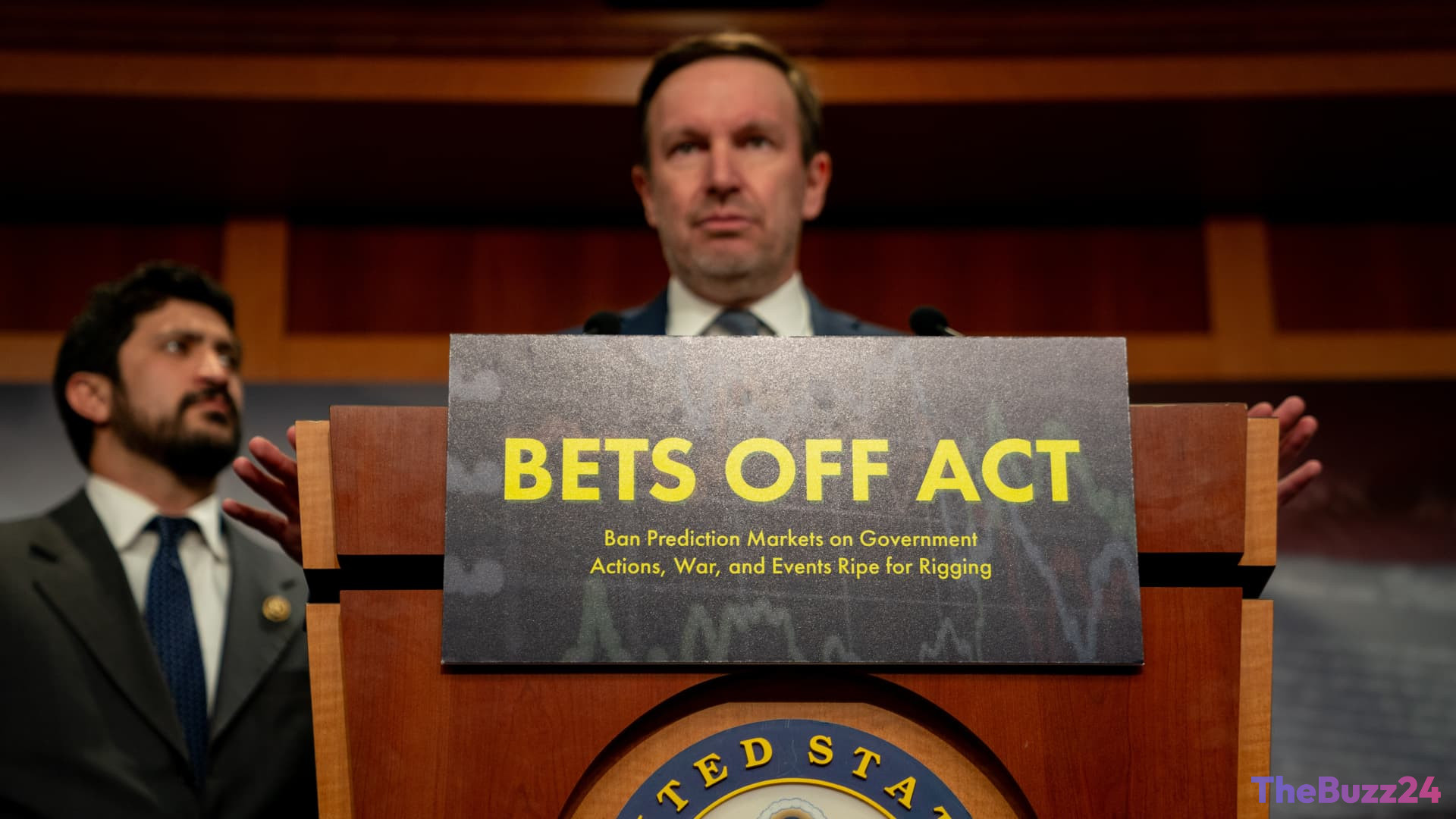
U.S. Senate Enacts Immediate Ban on Prediction Market Trading for Members
The United States Senate has unanimously approved a new rule that immediately prohibits its members from engaging in trading activities on prediction markets. This legislative action arrives as lawmakers express growing apprehension regarding the potential for insider trading on platforms such as Kalshi and Polymarket, particularly concerning event contracts tied to sensitive geopolitical conflicts, military operations, and national elections.
The decision follows a series of high-profile incidents that have cast a spotlight on the integrity of event-based betting platforms. Earlier this year, Kalshi took disciplinary action against three congressional candidates for engaging in political insider trading related to their own campaigns. Simultaneously, federal authorities indicted U.S. Army Special Forces Master Sgt. Gannon Ken Van Dyke, alleging he leveraged classified information to place successful wagers on Polymarket regarding the capture of Venezuelan leader Nicolás Maduro, resulting in a payout of approximately $410,000.
In response to these developments, a coalition of Democratic lawmakers has urged the Commodity Futures Trading Commission to implement stricter regulations. They are calling for a comprehensive ban on event contracts that lack a legitimate economic hedging purpose, specifically targeting outcomes related to war, government actions, and sports. Both Kalshi and Polymarket have publicly endorsed the Senate’s move, noting that while their internal policies already prohibit such conduct, the formalization of these rules into law serves as a vital step toward establishing industry-wide standards and restoring public trust.
Key Takeaways
- The U.S. Senate has unanimously passed an immediate ban on members trading in prediction markets.
- The move follows concerns over insider trading, including cases involving congressional candidates and a soldier using classified data for financial gain.
- Major prediction platforms Kalshi and Polymarket have expressed support for the new rule, viewing it as a positive step for industry regulation.
Editor’s Analysis & Impact
The Senate’s decision to ban prediction market trading among its members marks a significant turning point in the regulation of the burgeoning ‘event contract’ industry. By codifying these restrictions, the government is attempting to mitigate the ethical risks associated with individuals who possess non-public information influencing market outcomes. The industry’s vocal support for this legislation suggests a strategic pivot toward legitimacy; platforms like Kalshi and Polymarket recognize that for their business models to survive long-term regulatory scrutiny, they must distance themselves from accusations of corruption and insider manipulation. Moving forward, we can expect increased pressure on the Commodity Futures Trading Commission to define the boundaries of ‘economic hedging’ versus speculative gambling, which will likely shape the future of decentralized betting markets and their integration into the broader financial ecosystem.
Frequently Asked Questions
Q: Why did the Senate implement this ban?
A: The ban was implemented to prevent potential insider trading and conflicts of interest, following concerns that individuals with access to classified or sensitive information could profit from betting on political and military outcomes.
Q: Do prediction market platforms support this new regulation?
A: Yes, both Kalshi and Polymarket have publicly supported the Senate's action, stating that it helps establish industry-wide standards and reinforces their own existing terms of service regarding prohibited conduct.
AI Disclosure: This article is based on verified data and official reports. Our Team and AI have cross-referenced every financial detail with primary sources to ensure total accuracy.
More from this Category