U.S. Navy Seizes Sanctioned Iranian Vessel Amid Escalating Maritime Tensions
The U.S. Navy has successfully intercepted and taken control of the Iranian-flagged cargo ship Touska in the Gulf of Oman. The operation, carried out by the guided missile destroyer USS Spruance, involved disabling the vessel’s propulsion after the crew ignored multiple warnings to halt. Following the tactical disabling of the engine room, U.S. Marines boarded the ship to secure the vessel and its crew.
The seizure is a direct response to existing U.S. Treasury sanctions targeting the Touska for a history of illicit maritime operations. The confrontation lasted approximately six hours, during which the USS Spruance utilized its 5-inch MK gun to neutralize the ship’s ability to maneuver after repeated attempts at communication failed. This action comes amid a period of intense maritime instability, marked by recent attacks on commercial shipping in the Strait of Hormuz and a naval blockade affecting Iranian ports.
Diplomatic efforts to de-escalate the conflict have hit a significant roadblock. While U.S. officials, including Vice President JD Vance, attempted to facilitate peace negotiations in Pakistan, the Iranian government has formally rejected the discussions. Tehran has characterized the ongoing naval blockade as a breach of existing ceasefire protocols, further deepening the rift between the two nations.
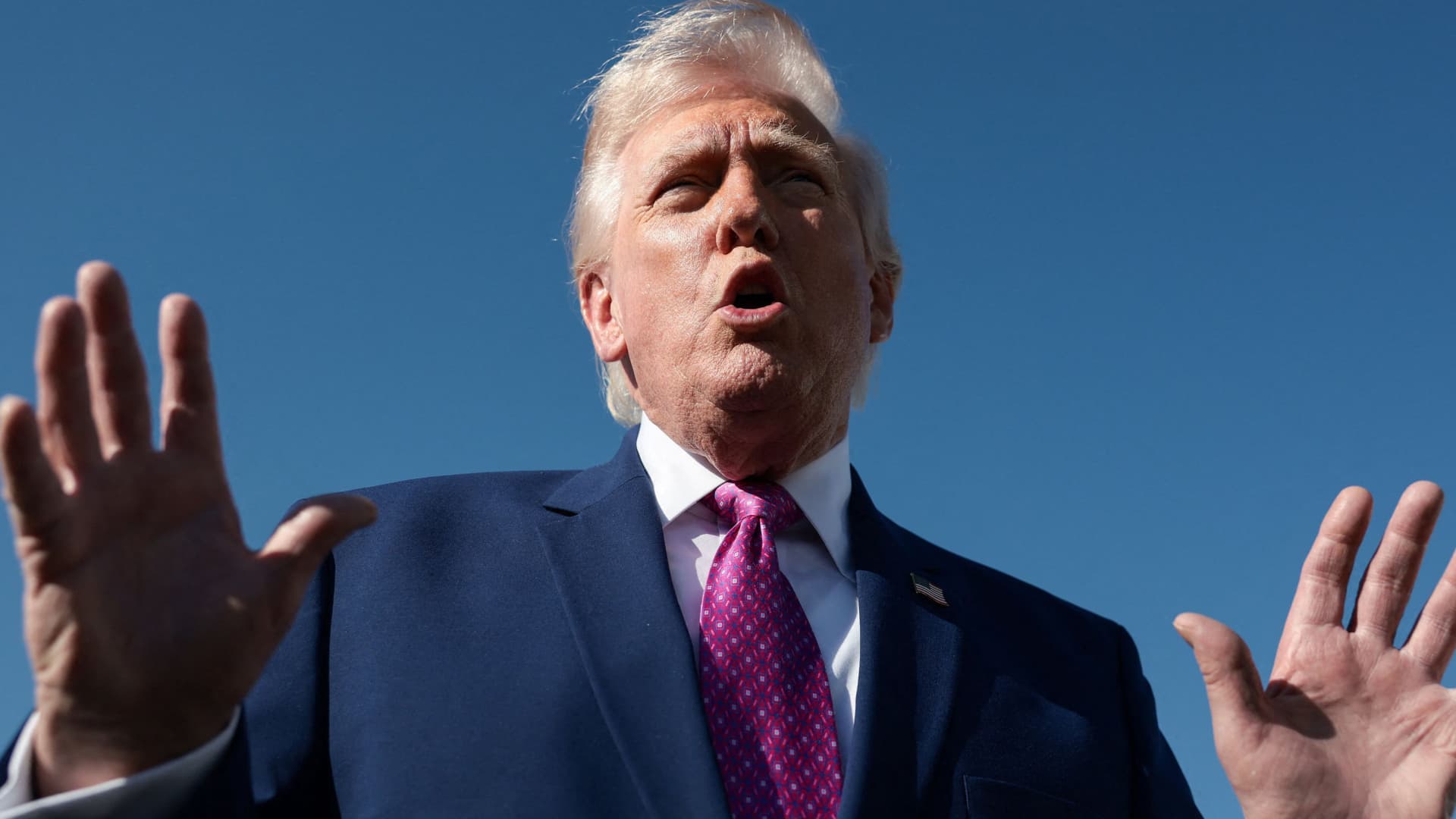
The geopolitical situation remains precarious. President Donald Trump has issued a stern ultimatum, warning that the United States may move beyond maritime enforcement to target critical Iranian infrastructure, such as bridges and power plants, should Iran refuse to comply with established terms to end the current hostilities.
Key Takeaways
- The USS Spruance successfully disabled and seized the sanctioned Iranian cargo ship Touska in the Gulf of Oman.
- Iran has rejected diplomatic peace negotiations led by U.S. envoys in Pakistan, citing the naval blockade as a violation of ceasefires.
- The U.S. administration has threatened to target Iranian infrastructure if the conflict does not reach a resolution on specified terms.
Editor’s Analysis & Impact
The seizure of the Touska signals a significant shift from diplomatic maneuvering to direct military enforcement in the Gulf of Oman. By targeting the vessel’s propulsion, the U.S. Navy demonstrated a calculated intent to neutralize threats without immediate loss of life, yet the move significantly raises the stakes. The rejection of peace talks in Pakistan by Iran suggests a breakdown in the current diplomatic framework, leaving little room for middle-ground solutions. As the U.S. administration threatens strikes on critical infrastructure, the risk of a full-scale kinetic conflict increases. The global community must watch closely; any escalation could disrupt vital energy corridors in the Strait of Hormuz, leading to massive volatility in global energy markets and a broader geopolitical realignment in the Middle East.
Frequently Asked Questions
Q: Why was the Touska targeted by the U.S. Navy?
A: The vessel was targeted due to existing U.S. Treasury sanctions related to a history of illegal maritime activities.
Q: What is the current status of peace negotiations?
A: Peace negotiations led by U.S. envoys in Pakistan have been rejected by Iran, which views the current naval blockade as a violation of ceasefire agreements.
Q: What are the potential consequences of further escalation?
A: The U.S. administration has indicated that if terms are not met, they may target critical Iranian infrastructure, including power plants and bridges.
AI Disclosure: This article is based on verified data and official reports. Our Team and AI have cross-referenced every financial detail with primary sources to ensure total accuracy.
More from this Category