U.S. Escalates Pressure on Oman Over Strategic Strait of Hormuz Control
The United States has issued a stern warning to Oman, signaling that the long-standing security and economic partnership between the two nations is under strain. The administration has threatened both economic sanctions and potential military intervention, citing concerns that Oman may be collaborating with Iran to establish a tolling system or shared oversight of the Strait of Hormuz. As a critical maritime chokepoint, the Strait is responsible for the transit of approximately 20% of the world’s global oil supply, making its security a top priority for international energy markets.
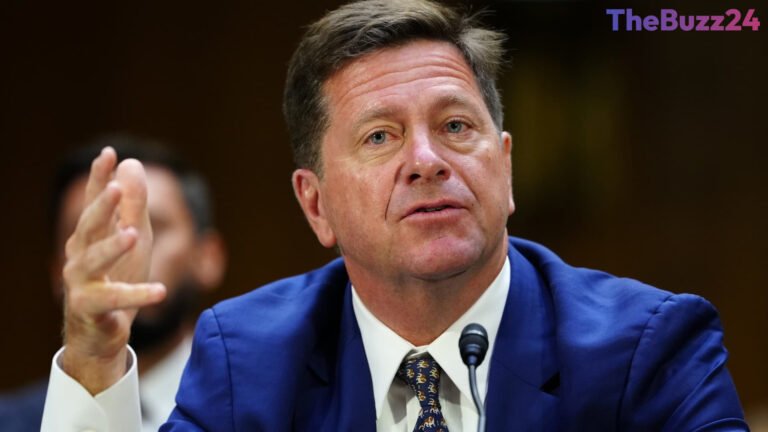
Treasury Secretary Scott Bessent has taken a hardline stance, declaring that the U.S. will aggressively target any entities or governments that facilitate or participate in the implementation of tolls within the waterway. This rhetoric aligns with recent statements from President Donald Trump, who has explicitly suggested that Oman must align its regional policies with U.S. interests or risk severe military consequences. The move marks a significant departure from traditional diplomatic protocols, as Oman has historically functioned as a neutral mediator in Middle Eastern conflicts.
Known for its strategic position on the Arabian Peninsula, Oman has long been viewed as a stabilizing force in the region. However, the current administration’s aggressive posture reflects a broader effort to curb Iranian influence in the Gulf. While some lawmakers have expressed concern that such threats could destabilize the region further, the White House remains focused on securing the Strait. As of now, no formal agreements regarding shipping security or a ceasefire between the U.S. and Iran have been finalized, leaving the future of maritime commerce in the region in a state of high uncertainty.
Key Takeaways
- The U.S. has threatened Oman with sanctions and military action over potential cooperation with Iran regarding the Strait of Hormuz.
- The Strait of Hormuz is a vital global chokepoint, facilitating the movement of roughly 20% of the world's oil traffic.
- The shift in U.S. policy toward Oman represents a significant change in diplomatic relations with a historically neutral Gulf partner.
Editor’s Analysis & Impact
The escalation of rhetoric toward Oman signals a fundamental shift in U.S. foreign policy, moving away from traditional diplomatic mediation toward a more coercive ‘peace through strength’ approach. By targeting a historically neutral actor like Oman, the administration is effectively narrowing the window for regional diplomacy, which could inadvertently force smaller Gulf states to choose sides in a deepening U.S.-Iran standoff. From a market perspective, the threat of military action in the Strait of Hormuz introduces significant volatility into global energy markets. Any disruption to this chokepoint would likely trigger immediate spikes in oil prices and shipping insurance premiums. The long-term implication is a potential fracturing of regional security alliances, as Oman and other Gulf nations may seek alternative security guarantees if they feel their sovereignty is threatened by U.S. demands.
Frequently Asked Questions
Q: Why is the Strait of Hormuz considered so important?
A: The Strait of Hormuz is a critical maritime chokepoint that handles approximately 20% of the world's total oil traffic, making it essential for global energy security.
Q: What is the primary concern regarding Oman's relationship with Iran?
A: The U.S. is concerned that Oman might assist Iran in establishing a tolling system or shared control mechanism over the Strait, which would grant Iran greater leverage over international shipping.
AI Disclosure: This article is based on verified data and official reports. Our Team and AI have cross-referenced every financial detail with primary sources to ensure total accuracy.
More from this Category