Uber and Pony.ai Accelerate Global Autonomous Push with 2,000 Robotaxis for Europe
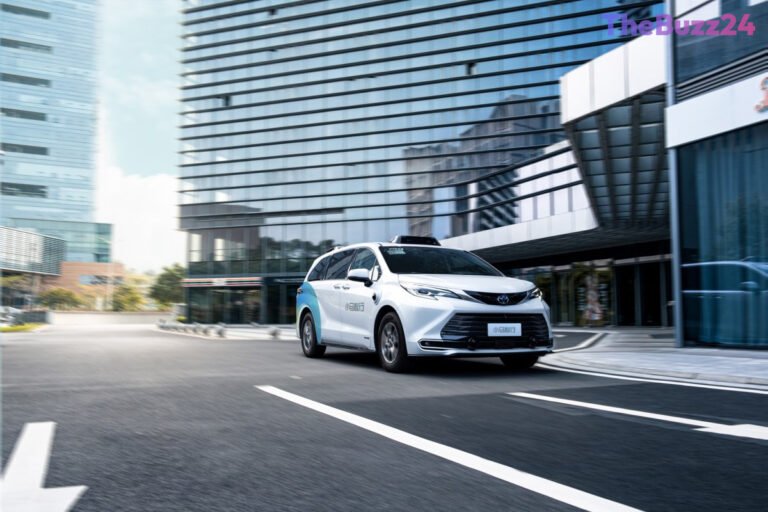
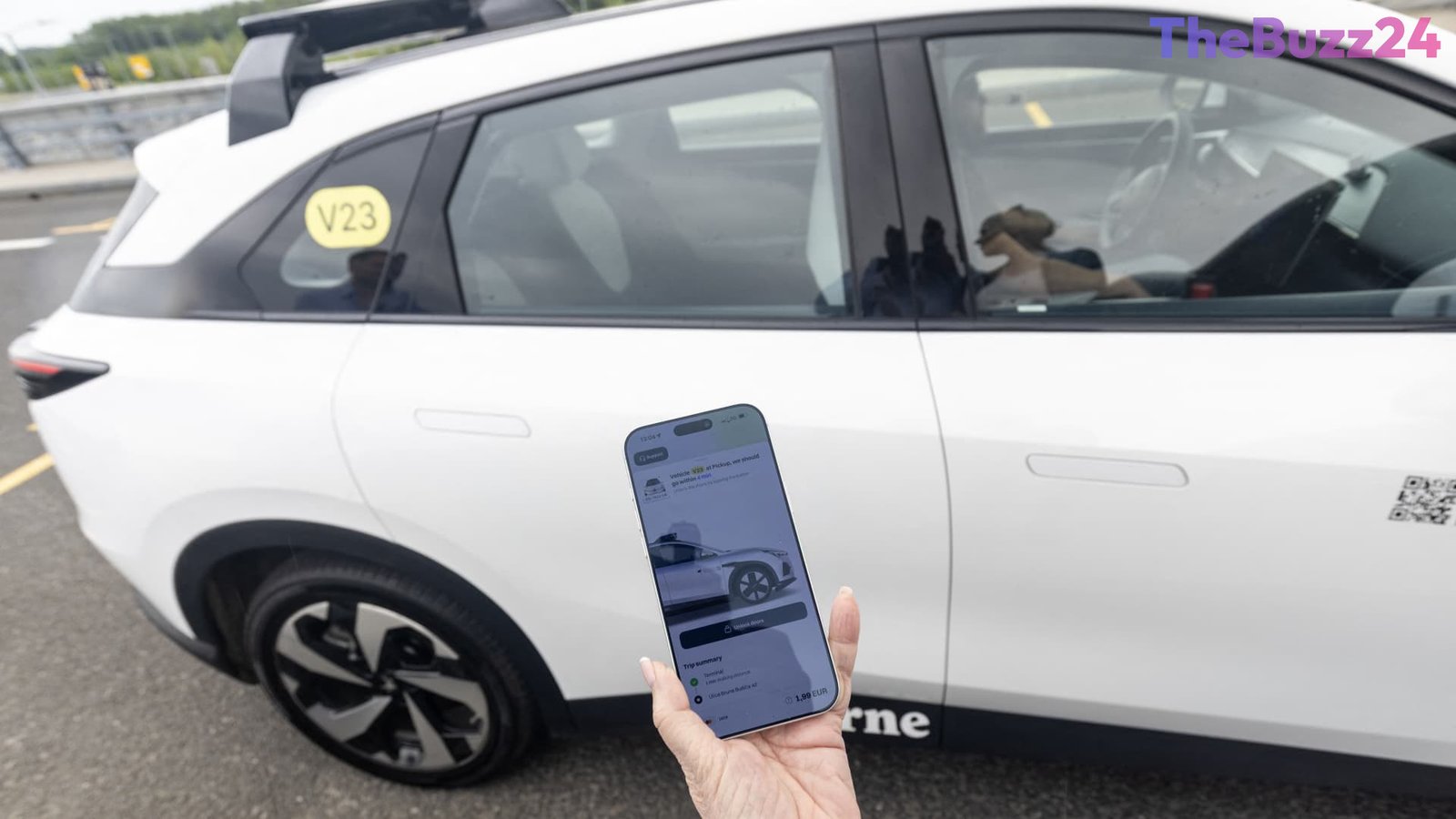
Ride-hailing giant Uber is significantly expanding its autonomous vehicle footprint through a deepened partnership with self-driving technology firm Pony.ai. The collaboration aims to deploy a fleet of 2,000 robotaxis across Europe, while also laying the groundwork for future expansion into the Middle East. This move follows the successful launch of their commercial robotaxi service in Zagreb, Croatia, earlier this year, which marked a pioneering milestone for autonomous ride-hailing on the European continent.
The upcoming rollout will target four additional, yet-to-be-disclosed European cities. Scaling up fleet sizes is widely considered a critical hurdle for the autonomous vehicle industry, as larger fleets generate the massive volumes of operational data required to satisfy regulatory safety standards and optimize dispatch efficiency. By integrating Pony.ai’s self-driving technology with Uber’s massive global user base, both companies hope to accelerate consumer adoption of driverless transport.
This partnership is part of a broader, aggressive strategy by Uber to position itself as the premier global commercialization platform for autonomous vehicles. Rather than developing its own hardware, Uber is partnering with various industry players. The company has already aligned with Chinese autonomous driving firm WeRide for upcoming pilots in Spain and the UAE, and recently secured an agreement with a local taxi operator in Tokyo to test autonomous rides.
The competitive landscape for autonomous ride-hailing is intensifying rapidly. Alphabet-backed Waymo currently leads the global market with a fleet of approximately 5,000 vehicles and is actively preparing for European and Asian expansions. Meanwhile, other Chinese competitors like Baidu’s Apollo Go are also eyeing international markets, setting the stage for a high-stakes battle for dominance in the global driverless mobility sector.
Key Takeaways
- Uber and Pony.ai are deploying 2,000 robotaxis across Europe and expanding their partnership into the Middle East.
- The expansion builds on their existing commercial robotaxi service in Zagreb, Croatia, with plans to enter four more European cities.
- Uber is positioning itself as the ultimate commercialization platform for autonomous vehicles by partnering with multiple self-driving tech firms globally, including WeRide.
Editor’s Analysis & Impact
Uber’s strategic pivot from developing its own autonomous vehicle technology to acting as the primary commercialization layer for third-party developers is proving to be a masterstroke. By leveraging its massive global ride-hailing network, Uber offers autonomous vehicle (AV) developers like Pony.ai and WeRide immediate access to a ready-made customer base and invaluable real-world routing data. This asset-light approach mitigates the immense capital risks of AV hardware development while positioning Uber as an indispensable gatekeeper in the future of mobility. However, the race is far from won. Alphabet’s Waymo remains a formidable pioneer with deep pockets and a massive active fleet, while Chinese competitors are aggressively scaling international trials. The ultimate winners in this space will be determined by regulatory approvals and the ability to maintain high safety standards across diverse urban environments.
Frequently Asked Questions
Q: Which European cities will receive the new robotaxis?
A: While the companies have confirmed plans to deploy 2,000 robotaxis across four additional European cities, the specific locations and exact launch timelines have not yet been publicly disclosed.
Q: What is Uber's overall strategy regarding autonomous vehicles?
A: Instead of building its own self-driving cars, Uber aims to become the world's leading commercialization platform for autonomous vehicles. It partners with AV developers to integrate their fleets into the Uber app, sharing data to improve safety and operational efficiency.
Q: Who are the main competitors in the global robotaxi market?
A: Alphabet's Waymo is currently the global leader with a fleet of about 5,000 vehicles. Other major competitors include Chinese autonomous driving companies like Baidu Apollo Go, WeRide, and Pony.ai, all of which are actively expanding their testing and commercial operations internationally.
AI Disclosure: This article is based on verified data and official reports. Our Team and AI have cross-referenced every financial detail with primary sources to ensure total accuracy.
More from this Category