Uber Eats Partners with Zipline to Scale Drone Delivery Network
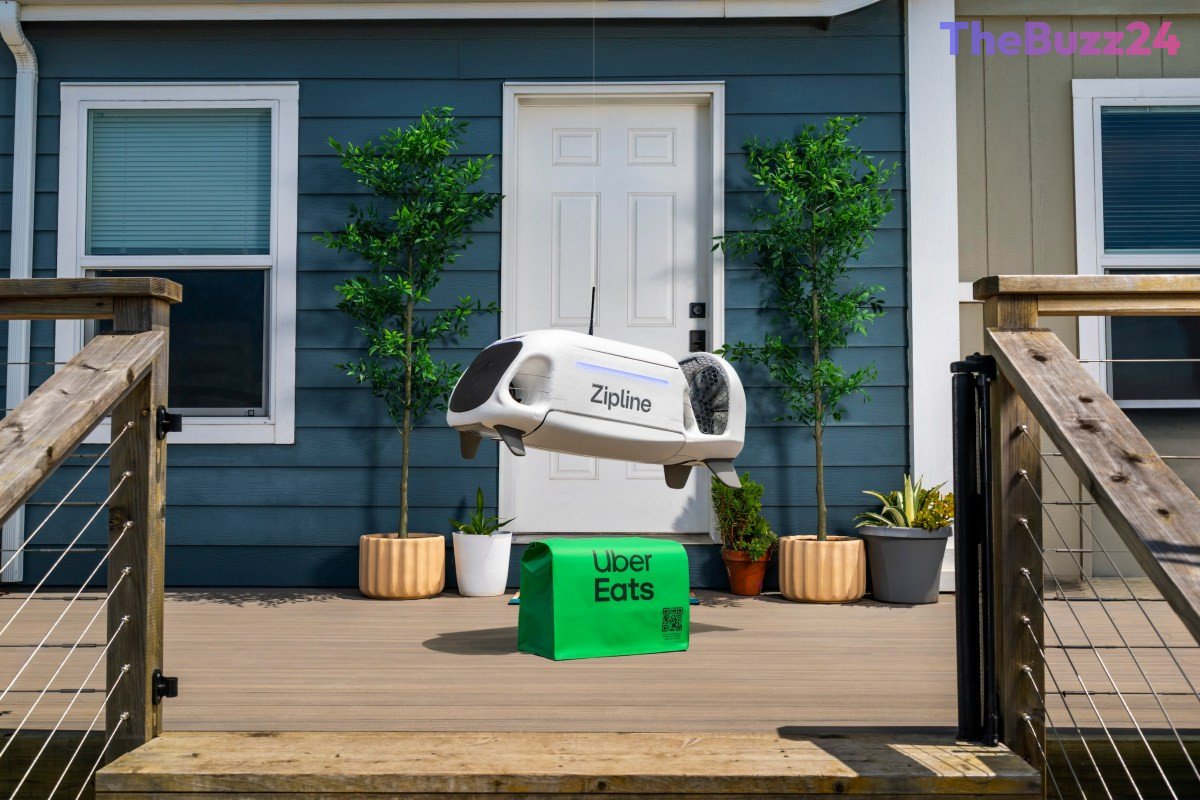
Uber is significantly expanding its logistics capabilities by entering a strategic partnership with drone delivery specialist Zipline. The collaboration aims to integrate Zipline’s autonomous aerial technology into the Uber Eats platform, with the ambitious goal of facilitating one million deliveries per day by the end of 2029. Initial drone-based deliveries are scheduled to commence by the end of this year, starting in markets where Zipline already maintains operations before expanding into dozens of major U.S. cities.
This move aligns with Uber’s broader strategy of acting as a massive aggregator for autonomous delivery solutions rather than developing proprietary hardware. By investing in and partnering with various startups, Uber aims to maintain a competitive edge in the rapidly evolving “quick commerce” sector. The company has previously committed over $10 billion to various autonomous vehicle providers, reflecting a shift in focus from internal development—such as its former Elevate and autonomous vehicle divisions—to a platform-based model that leverages external innovation.
For Uber, the integration of drone technology is viewed as a critical driver for future growth. CEO Dara Khosrowshahi has highlighted that the ability to fulfill orders within five to ten minutes represents a significant market opportunity that could surpass traditional food delivery. While the financial terms of the Zipline investment remain undisclosed, the partnership underscores a growing industry trend toward automated, high-speed logistics as a means to reduce delivery times and operational costs in dense urban environments.
Key Takeaways
- Uber and Zipline aim to reach one million drone deliveries per day by the end of 2029.
- The partnership will begin with pilot deliveries in existing Zipline markets before expanding to dozens of U.S. cities.
- Uber is shifting its strategy to act as an aggregator for autonomous delivery technology rather than building its own hardware.
Editor’s Analysis & Impact
The partnership between Uber and Zipline signals a maturation phase for the drone delivery industry, moving from experimental pilot programs to large-scale commercial integration. By offloading the technical burden of drone development to specialized firms like Zipline, Uber is effectively de-risking its entry into aerial logistics while maintaining control over the customer-facing interface. This ‘platform-first’ approach is a calculated move to dominate the ‘quick commerce’ market, where speed is the primary differentiator. However, the strategy faces significant hurdles, including evolving federal regulations, airspace management, and the logistical complexity of urban drone operations. If successful, this model could fundamentally alter consumer expectations for delivery times, forcing competitors to accelerate their own automation efforts or risk obsolescence in the hyper-local delivery space.
Frequently Asked Questions
Q: When will Zipline drones start delivering for Uber Eats?
A: The companies expect to begin the first drone deliveries on the Uber Eats platform by the end of this year.
Q: What is the long-term goal of the Uber and Zipline partnership?
A: The companies aim to scale their operations to achieve one million deliveries per day using Zipline’s drone technology by the end of 2029.
AI Disclosure: This article is based on verified data and official reports. Our Team and AI have cross-referenced every financial detail with primary sources to ensure total accuracy.
More from this Category