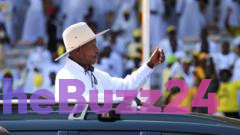
Uganda Enters New Political Era as Museveni Extends Four-Decade Rule
President Yoweri Museveni has officially commenced his seventh consecutive term in office, further cementing his status as one of Africa’s longest-serving heads of state. The inauguration ceremony, hosted at the Kololo Independence Grounds in Kampala, signals the continuation of a leadership tenure that is now set to span nearly forty years, extending through 2031. This transition follows a polarizing electoral cycle in January, where official tallies credited the incumbent with a decisive victory of over 70% of the vote.
The inauguration took place amidst a significant security deployment, highlighting the persistent political friction within the country. Opposition leaders, most notably Bobi Wine, have vocally contested the election results, alleging systemic voter intimidation and irregularities. While the government has consistently rejected these accusations, the political climate remains strained, with opposition figures continuing to question the integrity of the democratic process.
Moving forward, the administration has signaled that the development of the national oil sector will be the cornerstone of its economic strategy, with the goal of curbing unemployment and poverty. However, this economic focus is being balanced against a controversial legislative agenda. New government mandates restricting foreign funding for non-governmental organizations have drawn criticism from human rights groups, who argue that these measures threaten civil liberties and the ability of advocacy organizations to operate freely.
As the administration settles into this new term, the question of long-term political succession remains a central topic of national debate. With no clear transition strategy established, observers are increasingly focused on the role of General Muhoozi Kainerugaba, the president’s son and military chief, as a potential future leader. The government now faces the dual challenge of managing internal dissent while attempting to foster economic stability for a burgeoning population.
Key Takeaways
- President Yoweri Museveni has begun his seventh term, extending his rule in Uganda until 2031.
- The administration is prioritizing the expansion of the national oil sector to drive economic growth and address unemployment.
- Succession speculation is intensifying, with military chief General Muhoozi Kainerugaba viewed as a potential successor to his father.
Editor’s Analysis & Impact
The inauguration of President Museveni marks a critical juncture for Uganda, characterized by a consolidation of power that contrasts sharply with the growing demands for democratic reform. Economically, the pivot toward the oil sector represents a high-stakes gamble; while it offers the potential for significant revenue, it also exposes the nation to global commodity price volatility and environmental scrutiny. Politically, the lack of a transparent succession plan creates a vacuum of uncertainty that could impact foreign investment and regional stability. The government’s tightening grip on civil society and foreign-funded advocacy groups suggests a defensive posture against internal opposition. Moving forward, the administration’s ability to balance its ambitious infrastructure and energy goals with the need for political inclusivity will determine the country’s trajectory and its standing within the international community.
Frequently Asked Questions
Q: How long has Yoweri Museveni been in power?
A: Yoweri Museveni has been in power for nearly four decades, and his current term is set to extend his rule until 2031.
Q: What is the primary economic focus for the new term?
A: The administration has identified the expansion of the national oil sector as the primary vehicle for driving economic growth and reducing poverty.
AI Disclosure: This article is based on verified data and official reports. Our Team and AI have cross-referenced every financial detail with primary sources to ensure total accuracy.
More from this Category