UK Diplomats Lose Hardship Pay in Several Global Posts, Sparking Taxpayer Debate
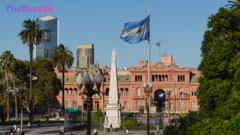
British diplomats stationed in several international locations, including Buenos Aires and Santiago, will no longer receive hardship bonuses. This change affects postings in six cities worldwide, as the UK government updates its list of locations deemed to warrant additional compensation for diplomats and their families.
Historically, these hardship payments and respite breaks were allocated to staff working in cities identified as risky due to factors such as high crime rates, significant air pollution, or general danger. Locations like Beirut, Pretoria, New Delhi, and Beijing have previously qualified. The latest review has seen Santiago (Chile), Panama City (Panama), Pyongyang (North Korea), Bamako (Mali), and Sarajevo (Bosnia and Herzegovina) removed from the list, alongside the two South American capitals.
While the updated list still includes numerous challenging postings, it also features popular tourist destinations like Bali and Rio de Janeiro. This has drawn criticism from some political quarters, with concerns raised about the fairness to taxpayers funding these allowances. The Foreign Office, however, maintains that the scheme, in place for three decades, is essential for supporting staff in difficult environments, citing security, climate, natural disasters, and isolation as key considerations. The payments are intended to offset the additional costs and challenges associated with living in these demanding locations, a practice the department states is consistent with private sector employment standards.
The Foreign, Commonwealth and Development Office defended the scheme, emphasizing their responsibility to support diplomats serving in arduous conditions. They stated that compensation reflects the specific circumstances of each posting, ensuring staff are adequately supported. This recalibration of hardship allowances highlights an ongoing discussion about resource allocation and the conditions of service for public sector employees operating in diverse global settings.
Key Takeaways
- UK diplomats in Buenos Aires, Santiago, and four other locations will no longer receive hardship payments.
- The decision has sparked debate over taxpayer fairness, with critics highlighting the inclusion of popular tourist spots on the qualifying list.
- The Foreign Office defends the scheme as a necessary measure to support staff in challenging overseas environments.
Editor’s Analysis & Impact
The revision of the UK’s diplomatic hardship allowance list signals a potential shift in how the government perceives and compensates for overseas postings. By removing several cities, including popular destinations, from the hardship list, the government appears to be responding to public and political pressure regarding taxpayer expenditure. This move could have implications for diplomatic recruitment and morale, particularly if perceived risks or quality-of-life challenges are not adequately addressed through other means. The debate also underscores a broader discussion about the value and cost of diplomatic service in an era of fiscal scrutiny, potentially influencing future policy decisions on international assignments and civil service compensation.
Frequently Asked Questions
Q: What are diplomatic hardship payments?
A: Diplomatic hardship payments are financial allowances provided to diplomats and their families to compensate for the additional costs and challenges of living and working in locations that are considered difficult due to factors like security risks, high crime rates, poor environmental conditions, isolation, or other impacts on quality of life.
Q: Why has the UK government changed its list of hardship locations?
A: The UK government regularly reviews its list of hardship locations to ensure the allowances accurately reflect current conditions and risks. The recent changes appear to be driven by a reassessment of the specific challenges in certain cities and potentially by political pressure to ensure taxpayer funds are used appropriately.
Q: Which cities were removed from the hardship payment list?
A: The cities removed from the hardship payment list include Buenos Aires (Argentina), Santiago (Chile), Panama City (Panama), Pyongyang (North Korea), Bamako (Mali), and Sarajevo (Bosnia and Herzegovina).
AI Disclosure: This article is based on verified data and official reports. Our Team and AI have cross-referenced every financial detail with primary sources to ensure total accuracy.
More from this Category