UK Imposes Sanctions on West Bank Settlements, Igniting Diplomatic Firestorm with Israel
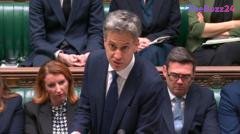
The United Kingdom has announced a new sanctions regime targeting illegal Israeli settlements in the occupied West Bank, accusing the Israeli government of complicity in the “ethnic cleansing” of Palestinians by settlers. Foreign Secretary Ed Miliband described the move as a “new approach” to the Israeli-Palestinian conflict, emphasizing a commitment to both acknowledging injustice and taking action.
Israel’s Foreign Minister Gideon Saar swiftly condemned the UK’s allegations as an “outrageous lie” and announced retaliatory measures. These include the closure of the UK’s consulate in East Jerusalem and a ban on entry for 11 UK Members of Parliament, including Jeremy Corbyn and Diane Abbott, citing alleged “antisemitic and anti-Israel activity.” The UK sanctions will prohibit trade in settlement goods and target companies and individuals facilitating settlement expansion. This action aligns with a joint statement issued alongside France and Canada, and supported by 11 other European nations, underscoring a collective commitment to protecting the two-state solution, which settlements are widely considered to undermine under international law.
Miliband articulated the UK government’s view that the Israeli occupation of the West Bank is unlawful due to its entrenchment, intention to extend permanent sovereignty, and expansionist agenda via illegal settlements. He cited a 2024 advisory opinion from the International Court of Justice and announced a ban on advertising illegal West Bank settlements in the UK. While condemning the Hamas-led attack of October 7, 2023, and affirming Israel’s right to self-defense, Miliband also stated that Israel’s actions in Gaza could not be justified, noting increasing evidence that war crimes may have been committed by the IDF, a claim consistently rejected by Israeli leaders.
The UK’s decision has drawn varied international and domestic reactions. The Palestinian presidency welcomed the sanctions as an “important step,” while US Secretary of State Marco Rubio indicated the White House would not follow suit. Domestically, Chief Rabbi Sir Ephraim Mirvis called it a “dark day for British Jews,” expressing concern that the sanctions could embolden anti-Jewish sentiment. The Board of Deputies of British Jews urged both governments to prioritize national interests over party politics. Conservative shadow foreign secretary Tom Tugendhat also criticized the government’s approach, suggesting it would be ineffective.
Key Takeaways
- The UK has imposed sanctions on Israeli West Bank settlements, citing concerns over "ethnic cleansing" and the viability of a two-state solution.
- Israel has responded with strong condemnation and diplomatic retaliation, including closing the UK's East Jerusalem consulate and banning certain UK MPs.
- The UK's move is supported by several European nations but has drawn criticism from the US and some British Jewish leaders, highlighting deep international and domestic divisions.
Editor’s Analysis & Impact
The UK’s decision to sanction Israeli West Bank settlements marks a significant escalation in diplomatic pressure, particularly from a major Western ally. While the direct economic impact of these sanctions on the broader Israeli economy may be limited, the political and reputational ramifications are substantial. This move, coupled with similar stances from other European nations, signals a growing international consensus against settlement expansion and could encourage further coordinated actions. For the industry, companies involved in trade with or services for West Bank settlements will face increased scrutiny and potential restrictions. The future outlook suggests heightened tensions between the UK and Israel, potentially impacting bilateral relations and cooperation. Broader implications include a renewed focus on international law regarding occupied territories and the two-state solution, potentially influencing future peace efforts and the dynamics of the Israeli-Palestinian conflict.
Frequently Asked Questions
Q: What are the UK's new sanctions on West Bank settlements?
A: The UK's new sanctions regime targets illegal Israeli settlements in the occupied West Bank. It includes a ban on settlement goods and measures against companies and individuals providing services for settlement expansion. Additionally, the UK will ban advertising for illegal West Bank settlements within its borders.
Q: How has Israel responded to the UK's sanctions?
A: Israel has reacted strongly, with Foreign Minister Gideon Saar calling the UK's accusations an "outrageous lie." Israel's counter-measures include closing the UK's consulate in East Jerusalem, removing British representatives from the International Gaza Support Center, terminating UK activities to train Palestinian Authority forces, and banning 11 UK Members of Parliament from entering Israel.
Q: Why is the UK taking this action now?
A: The UK government states that its new approach is necessary due to the perceived threat that settlement expansion, particularly in the E1 area, poses to the viability of a two-state solution. Foreign Secretary Ed Miliband also cited the UK's official view that the Israeli occupation of the West Bank is unlawful and that there is evidence of "ethnic cleansing" by settlers, which the Israeli government has allegedly overlooked.
AI Disclosure: This article is based on verified data and official reports. Our Team and AI have cross-referenced every financial detail with primary sources to ensure total accuracy.
More from this Category