UK Inflation Climbs to 3.3% as Energy Volatility Strains Economic Outlook
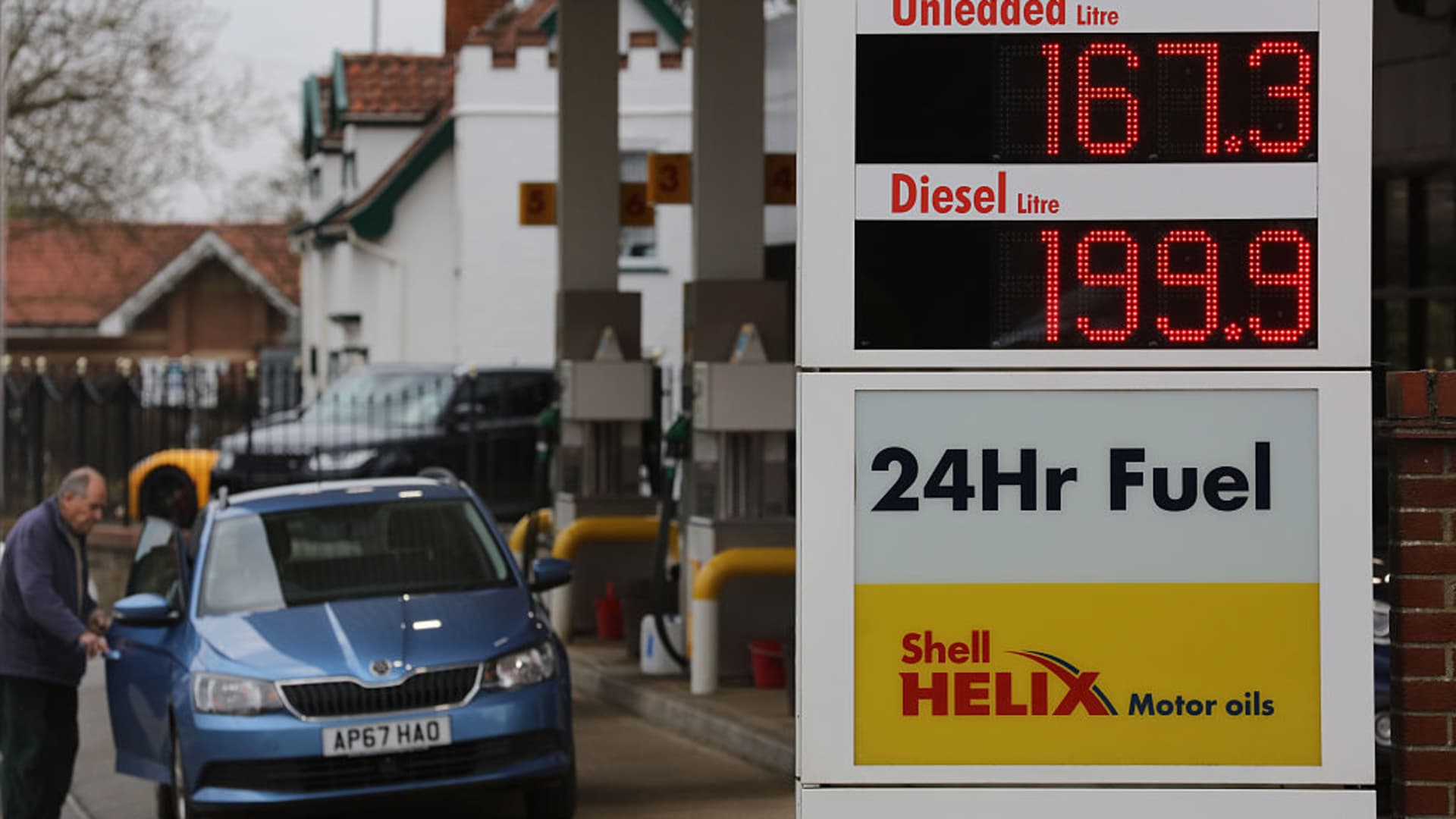
The United Kingdom has experienced a notable uptick in its inflation rate, which reached 3.3% in March, up from 3% the previous month. This economic shift is primarily driven by a sharp escalation in energy and fuel costs, marking the most significant surge in the sector in over three years. The data underscores the vulnerability of the British economy to external pressures, particularly as geopolitical tensions in the Middle East continue to disrupt global crude oil markets and drive up domestic petrol prices.
Beyond the energy sector, inflationary pressures are broadening to include rising airfares and increased food costs. While the retail clothing sector has maintained relatively stable pricing, these modest figures are not enough to counteract the wider inflationary trend. Businesses are increasingly feeling the strain as the cost of raw materials and factory-gate goods climbs, reflecting the ripple effects of global energy volatility on domestic supply chains and production capabilities.
Given the nation’s reliance on energy imports, the UK remains highly exposed to international supply shocks. Analysts suggest that if current geopolitical instability persists, headline inflation could climb toward 4% by the autumn. This presents a difficult balancing act for the Bank of England, which had previously been preparing for a period of cooling inflation and potential interest rate cuts.
Despite the rising figures, it is widely expected that policymakers will hold interest rates steady for the remainder of the year. By choosing to look past these external, supply-driven price shocks, the central bank aims to avoid the risks associated with stagflation. The broader economic outlook remains fragile, with future stability heavily dependent on the resolution of international conflicts and the stabilization of global energy markets.
Key Takeaways
- UK inflation rose to 3.3% in March, largely due to surging energy and fuel prices.
- Geopolitical instability in the Middle East is the primary driver behind the current supply-side inflationary pressure.
- The Bank of England is expected to maintain current interest rates to avoid the risks of stagflation.
Editor’s Analysis & Impact
The rise in UK inflation to 3.3% underscores the inherent fragility of global supply chains when confronted with geopolitical conflict. The transition from a cooling inflation environment to one of renewed volatility places the Bank of England in a precarious position. By opting to ‘look through’ these supply-side shocks, the central bank is prioritizing long-term economic stability over immediate inflation targeting, a strategy intended to prevent a recessionary environment marked by high unemployment and stagnant growth. Moving forward, markets will closely monitor energy prices and the duration of the conflict in the Middle East. If these disruptions persist, the UK may face a prolonged period of ‘cost-push’ inflation, which is notoriously difficult for monetary policy to manage without causing collateral damage to consumer spending and business investment.
Frequently Asked Questions
Q: Why is the UK inflation rate rising despite previous expectations of a decline?
A: The increase is primarily driven by external factors, specifically geopolitical instability in the Middle East, which has led to a sharp rise in global fuel and energy costs.
Q: Will the Bank of England raise interest rates to combat this inflation?
A: Most analysts expect the Bank of England to maintain current interest rates, as they view the inflation spike as a temporary result of external supply shocks rather than domestic demand, aiming to avoid the risk of stagflation.
AI Disclosure: This article is based on verified data and official reports. Our Team and AI have cross-referenced every financial detail with primary sources to ensure total accuracy.
More from this Category