GCHQ Chief Issues Urgent Warning on Escalating Cyber Threats from Global Rivals
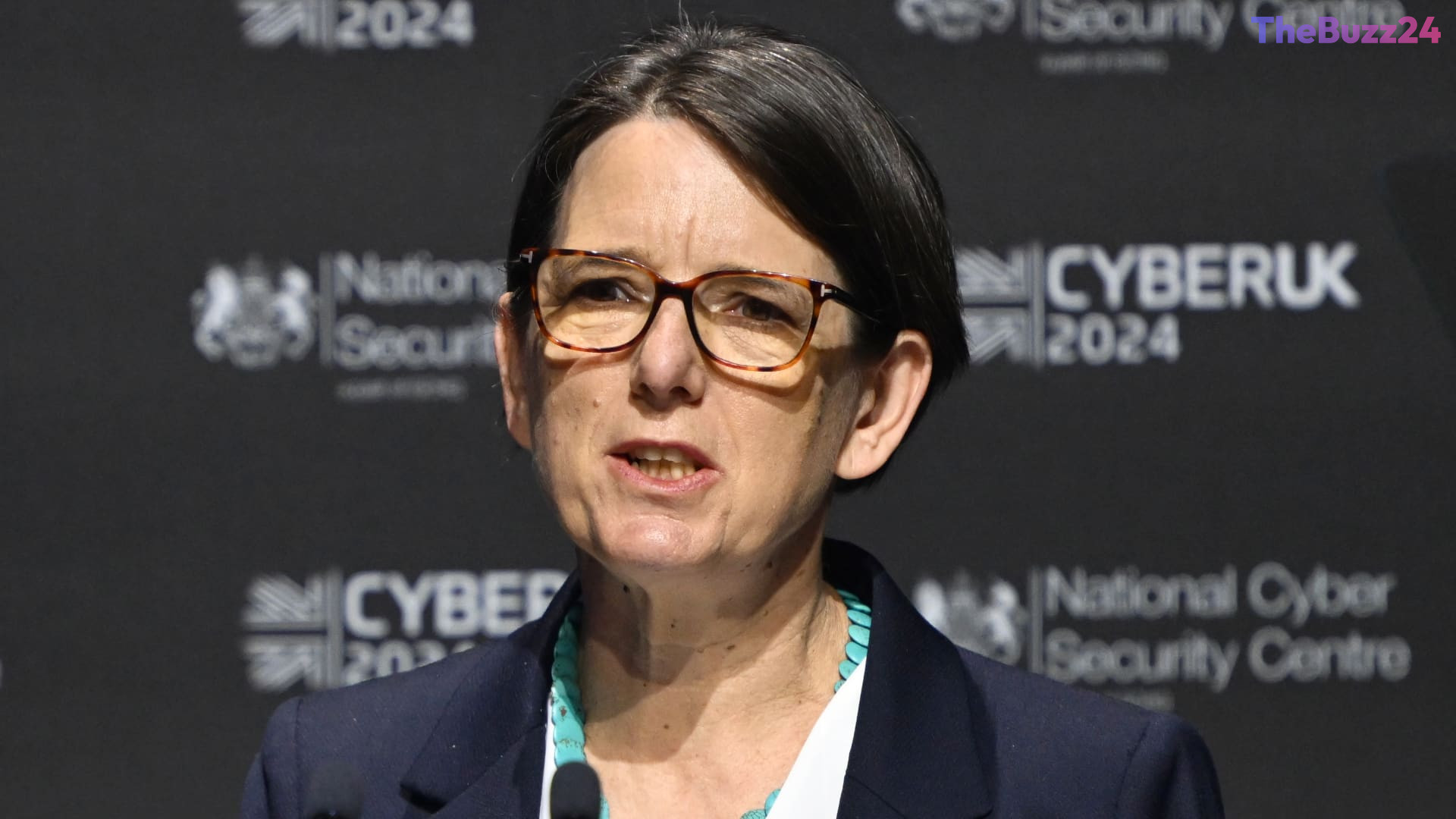
The head of the United Kingdom’s intelligence agency, GCHQ, has issued a critical alert regarding the narrowing window of opportunity to counter the growing security threats posed by China and Russia. In a recent public address, the agency’s director, Anne Keast-Butler, emphasized that the UK and its international partners are facing a rapidly shifting global landscape where traditional defense strategies are being outpaced by the speed of technological evolution.
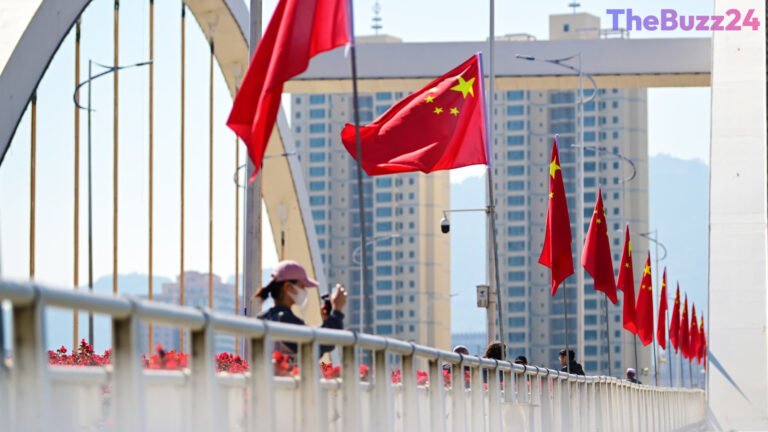
Keast-Butler specifically pointed to China’s rapid ascent as a dominant science and technology superpower. She noted that the integration of advanced artificial intelligence into China’s cyber and military operations has created a highly volatile environment. This technological leap necessitates a fundamental shift in how the UK approaches digital security, requiring a more integrated and robust defense posture that extends from corporate boardrooms down to individual households.
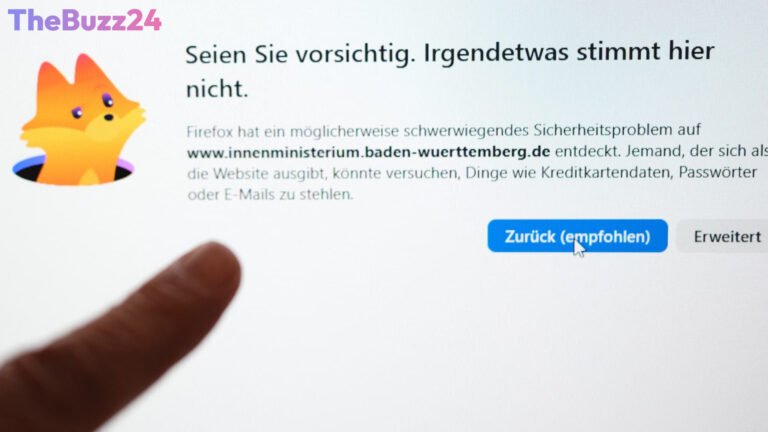
Simultaneously, the intelligence community is tracking a significant increase in hybrid warfare tactics originating from Russia. These operations, which include persistent cyberattacks, sabotage, and deliberate efforts to erode public trust in democratic institutions, have placed critical infrastructure and supply chains at heightened risk. Keast-Butler warned that the potential for miscalculation is currently at an all-time high, underscoring the need for continued vigilance and proactive measures to disrupt illicit technology smuggling and hostile state activities to maintain regional stability.
Key Takeaways
- GCHQ warns that the strategic window to counter sophisticated cyber threats from China and Russia is rapidly closing.
- China's integration of AI into its military and intelligence operations has significantly altered the global security landscape.
- Russia is increasingly utilizing hybrid warfare, including sabotage and cyberattacks, to target critical infrastructure and undermine democratic processes.
Editor’s Analysis & Impact
The warning from GCHQ underscores a pivotal shift in modern geopolitics, where the battlefield has moved from physical borders to the digital and technological realms. The intelligence community’s focus on China’s AI-driven capabilities suggests that the next decade of global security will be defined by a race for technological supremacy rather than traditional military might. For the private sector, this implies that cybersecurity is no longer an IT concern but a core strategic risk that could impact supply chains and operational continuity. As hybrid warfare becomes a standard tool for state actors like Russia, the outlook remains one of high volatility. Future stability will likely depend on the ability of Western nations to foster public-private partnerships that can effectively harden critical infrastructure against increasingly sophisticated, state-sponsored digital incursions.
Frequently Asked Questions
Q: What is the primary concern raised by the GCHQ director?
A: The primary concern is the rapidly closing window of opportunity to maintain a strategic advantage against the evolving cyber and technological threats posed by China and Russia.
Q: How is Russia currently impacting global security according to the report?
A: Russia is engaging in hybrid warfare, which includes persistent cyberattacks, sabotage, and efforts to undermine democratic processes and public trust, while targeting critical infrastructure.
AI Disclosure: This article is based on verified data and official reports. Our Team and AI have cross-referenced every financial detail with primary sources to ensure total accuracy.
More from this Category