Ukraine Pledges Retaliatory Strikes on Russian Refineries as Moscow Intensifies Pre-Winter Air Offensive
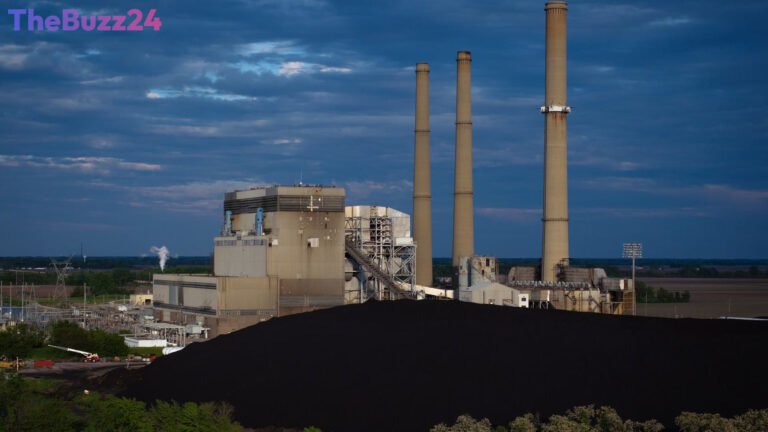
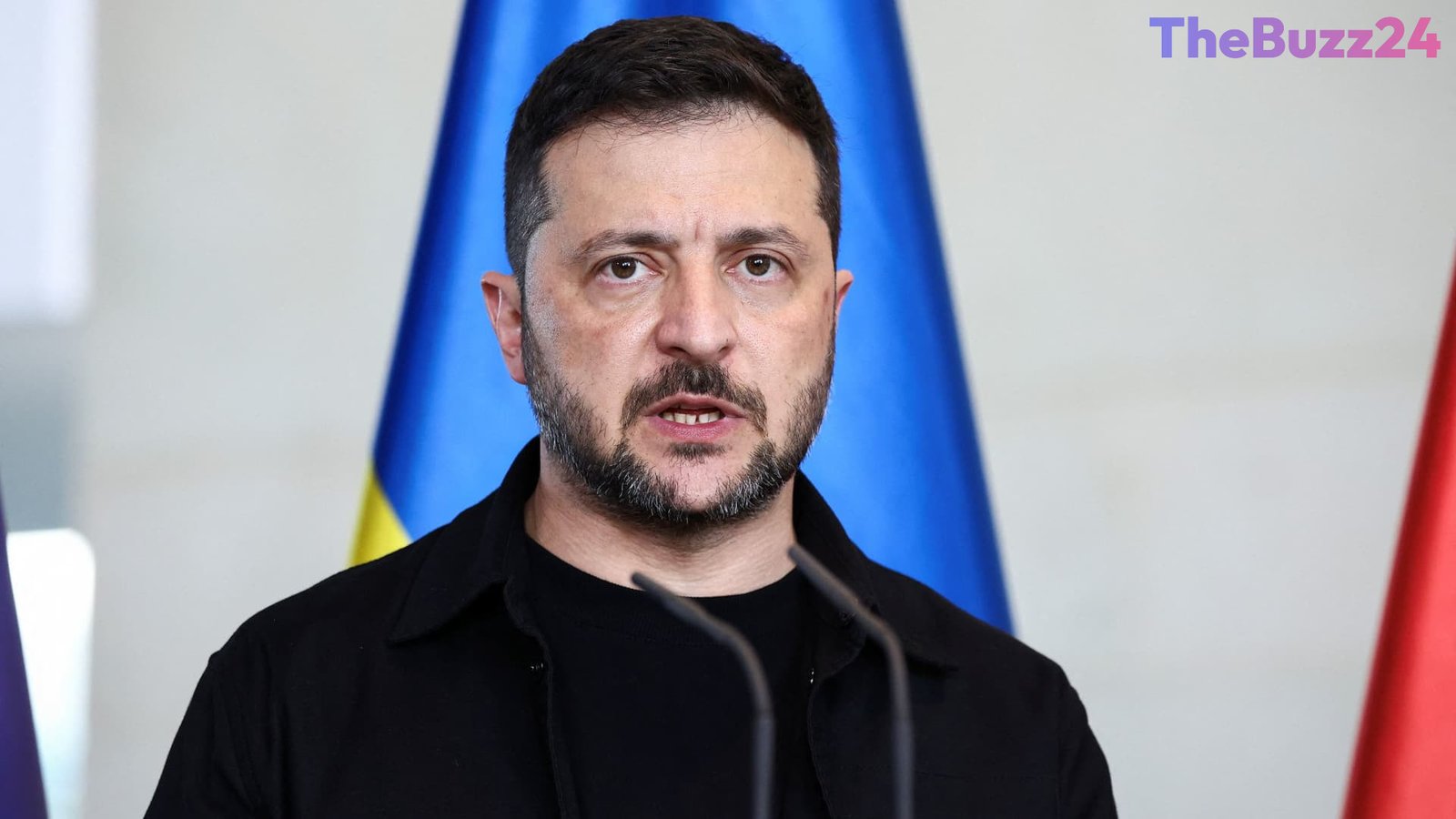
Ukraine is preparing to intensify drone and missile strikes against Russian oil refineries in direct retaliation for an expanded Russian bombing campaign aimed at paralyzing civilian infrastructure before winter. Ukrainian President Volodymyr Zelenskyy revealed that obtained operational documents point to a newly adopted doctrine by the Kremlin designed to systematically pound logistics, transportation networks, and municipal services to force civilian evacuations from major metropolitan centers, including Kyiv.
The strategic shift comes as Russian forces face mounting pressure in Ukraine’s eastern Donbas region, where a recent Ukrainian counteroffensive dubbed “Vivaldi” reclaimed approximately 140 square kilometers of territory. In response, Russian strikes have expanded in scope, targeting critical river crossings across the Dnipro in Kyiv and hammering energy grids. While Moscow maintains that its recent barrages are retaliatory operations targeting military-adjacent logistical networks, Ukrainian leadership insists that the primary intent is terrorizing urban populations into submission.
In countering these escalating threats, Kyiv is actively targeting the economic machinery sustaining Moscow’s war effort. President Zelenskyy emphasized that disrupting revenue generation—specifically through sustained impacts on Russian crude processing facilities—remains an indispensable pillar of Ukraine’s defense doctrine. This stance creates friction with diplomatic initiatives from Washington, where the administration of U.S. President Donald Trump has urged restraint against energy facilities to mitigate spikes in global diesel costs and sought to bring both sides toward mediated negotiations.
At the tactical level, Kyiv is racing to counter the Kremlin’s updated arsenal, which now regularly deploys high-speed, jet-propelled Shahed attack drones alongside vast stockpiles of ballistic munitions. Ukrainian forces, having relied heavily on fighter jets such as F-16s and MiGs to intercept these high-velocity targets, face pressing munitions constraints. To circumvent foreign supply bottlenecks, domestic weapons developers have accelerated production on sovereign strike hardware, including the recently deployed FP-7 ballistic missile and its upcoming extended-range successor, the FP-9, while scaling electronic warfare countermeasures and domestic interceptor drones.
Key Takeaways
- Ukraine plans expanded retaliatory strikes against Russian oil refineries to impair Moscow's wartime revenues.
- Kyiv warns that Moscow's updated offensive doctrine seeks to freeze urban populations and compel city evacuations before winter.
- Domestic weapon innovations are accelerating in Ukraine, highlighted by the debut of the FP-7 ballistic missile and tests on new drone interceptors.
Editor’s Analysis & Impact
Kyiv’s explicit commitment to striking Russian oil infrastructure sets up a notable geopolitical flashpoint with Western allies, particularly the United States. While Washington is eager to cool inflationary pressures in the energy sector ahead of potential diplomatic engagements, Ukraine views Russian refinery capacity as the single most vulnerable and consequential node financing Moscow’s war machine. As the conflict heads into another freezing winter, targeting oil plants while absorbing heavy grid destruction risks triggering volatility in international refined product markets, particularly diesel. Simultaneously, Ukraine’s rapid rollout of sovereign ballistic hardware like the FP-series signals an irreversible pivot toward long-range strategic self-reliance, potentially diminishing Washington’s leverage in dictating the geographic bounds of Ukrainian strike operations.
Frequently Asked Questions
Q: Why is Ukraine prioritizing attacks on Russian oil refineries?
A: Ukrainian officials view Russian oil refineries as the critical financial backbone sustaining Moscow's military operations. Damaging these facilities restricts fuel logistics for frontline forces and deprives the Russian state of crucial energy revenues.
Q: What is the domestic FP ballistic missile program mentioned by Ukraine?
A: The FP program represents Ukraine's homegrown ballistic missile initiative. The FP-7 has an operational range of around 250 kilometers and recently saw its first combat deployment, while the longer-range FP-9 is designed to reach deeper strategic targets.
Q: How are high-speed jet drones changing the air defense equation in Ukraine?
A: The introduction of jet-powered Shahed drones has strained Ukrainian air defenses because older interceptor drones lack the speed to engage them, forcing Ukraine to expend valuable fighter aircraft flight hours and ammunition until newer counter-drone systems are deployed.
AI Disclosure: This article is based on verified data and official reports. Our Team and AI have cross-referenced every financial detail with primary sources to ensure total accuracy.
More from this Category