Ukraine Strikes Deep Russian Oil Refineries, Targeting War Funding
Ukraine has launched significant drone and naval attacks targeting two major oil refineries deep within Russian territory, aiming to cripple Moscow’s war financing capabilities. The strikes, which hit the Bashneft-Novoil refinery in Bashkortostan and the Slavneft-Yanos refinery in the Yaroslavl region, represent a substantial escalation in Ukraine’s efforts to disrupt Russia’s energy sector.
President Volodymyr Zelensky stated that these attacks are designed to limit the oil revenues that Russia “uses to finance” its ongoing invasion. The Bashneft-Novoil facility is located approximately 1,300 kilometers (808 miles) from the Ukrainian border, while the Slavneft-Yanos refinery is nearly 700 kilometers (435 miles) away, underscoring the reach of Ukraine’s offensive operations. In addition to the refinery strikes, Ukraine reported successfully damaging two military patrol boats and several “shadow fleet vessels” in the Black Sea, which are often used by Russia for circumventing oil sanctions.
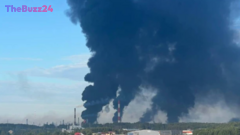
The attack on the Slavneft-Yanos refinery reportedly caused a significant fire, with regional governor Mikhail Evraev describing it as the “largest enemy drone attack” and reporting four injuries. While authorities in the Bashkortostan region have not yet publicly commented on the Bashneft-Novoil strike, social media footage verified by news outlets showed large plumes of smoke rising from the refinery, indicating multiple fires.
These strikes come amidst a broader intensification of attacks by both Russia and Ukraine on energy infrastructure, military targets, and civilian areas. In Ukraine, Russian attacks have also resulted in casualties and widespread power outages. The southern city of Kherson experienced a total blackout after critical infrastructure was hit, and other regions reported fatalities and injuries from drone assaults. Russia, in turn, claimed to have intercepted hundreds of drones and targeted Ukrainian fuel, energy, and transport facilities.
Key Takeaways
- Ukraine successfully targeted two major oil refineries deep inside Russia, Bashneft-Novoil and Slavneft-Yanos.
- The attacks aim to cut off Russian oil revenues used to fund the war and also damaged naval vessels in the Black Sea.
- The strikes highlight an escalation in the conflict, with both sides intensifying attacks on energy infrastructure and civilian areas.
Editor’s Analysis & Impact
This latest Ukrainian offensive targeting Russian oil refineries signifies a strategic shift towards directly impacting Moscow’s economic war machine. By striking facilities located far from the front lines, Ukraine demonstrates an enhanced capability to project power and inflict significant damage on critical Russian infrastructure. The dual objective of disrupting oil revenue and degrading naval assets in the Black Sea underscores a sophisticated approach to warfare. This escalation could pressure Russia’s energy market and potentially influence global oil prices, while also prompting further retaliatory measures. The long-term implications hinge on Ukraine’s sustained ability to execute such deep-strike operations and Russia’s capacity to bolster its defenses and maintain energy production.
Frequently Asked Questions
Q: What is the strategic importance of targeting oil refineries?
A: Targeting oil refineries is strategically important because it directly impacts a nation's revenue streams, particularly those used to fund military operations. It can also disrupt the supply of fuel, affecting both military logistics and the civilian economy, potentially leading to price increases and shortages.
Q: How far are these refineries from the Ukrainian border?
A: The Bashneft-Novoil refinery is approximately 1,300 kilometers (808 miles) from the Ukrainian border, and the Slavneft-Yanos refinery is nearly 700 kilometers (435 miles) away.
Q: What other assets did Ukraine claim to hit?
A: In addition to the oil refineries, Ukraine also reported hitting two military patrol boats and several 'shadow fleet vessels' in the Black Sea, which are often used by Russia to export sanctioned oil.
AI Disclosure: This article is based on verified data and official reports. Our Team and AI have cross-referenced every financial detail with primary sources to ensure total accuracy.
More from this Category