Ukraine Unleashes Drone Swarms, Crippling Russian Maritime Fuel Lifeline to Crimea
Ukraine’s military has significantly intensified its campaign against Russian logistics, extending its focus from land corridors to critical maritime supply routes leading to Russian-annexed Crimea. This escalation marks a new phase in efforts to disrupt Moscow’s ability to sustain its forces and occupied territories.
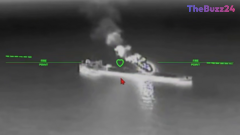
Reports indicate a substantial number of vessels have been targeted in the Sea of Azov, an inland sea vital for Russian shipping connected to the Black Sea via the Kerch Strait. Robert Brovdi, commander of Ukraine’s drone force, stated that at least 25 ships were hit and set ablaze over a four-day period in early July. Other military sources suggest up to 36 vessels, primarily commercial oil tankers belonging to Russia’s ‘shadow fleet,’ have been impacted. These strikes, captured in drone footage and satellite imagery, show plumes of smoke rising from burning ships, with some tankers reportedly carrying thousands of tons of fuel from the Taganrog area to Crimea.
These maritime operations are a key component of Ukraine’s declared ‘logistics lockdown’ strategy, designed to choke off supplies into and out of occupied Crimea. The attacks coincide with ongoing strikes on Russian oil refineries, which have already led to widespread fuel shortages across Russia, including major cities like Moscow and St. Petersburg. The vulnerability of Russian shipping has been highlighted, with military analysts noting the Black Sea Fleet’s apparent inability to provide adequate protection, forcing it to retreat to safer ports.
Ukrainian President Volodymyr Zelensky has framed these actions as a necessary response to Russian aggression, asserting that Russians must ‘feel that it is their state that is waging war.’ The scale of these drone attacks on Russian maritime logistics represents a significant blow to Russia’s naval capabilities and its guarantee of maintaining fuel supplies, particularly to Crimea, where authorities are already grappling with disruptions to power and transport amidst severe fuel rationing.
Key Takeaways
- Ukraine has dramatically escalated maritime drone attacks on Russian shipping in the Sea of Azov and Black Sea, specifically targeting fuel supply routes to Crimea.
- Dozens of commercial oil tankers, many from Russia's 'shadow fleet,' have reportedly been hit, severely impacting Russia's logistics and fuel supply to occupied territories and mainland Russia.
- These strikes are part of Ukraine's broader 'logistics lockdown' strategy, aiming to cripple Russia's ability to sustain its forces and civilian populations in annexed Crimea amidst widespread fuel shortages.
Editor’s Analysis & Impact
The intensified Ukrainian drone attacks on Russian maritime fuel supplies represent a critical escalation in the conflict, with significant implications for Russia’s war economy and logistical capabilities. By targeting the ‘shadow fleet’ of commercial tankers, Ukraine is directly impacting Russia’s ability to circumvent sanctions and maintain vital supplies to Crimea and its mainland. This strategy will likely exacerbate existing fuel shortages across Russia, potentially leading to increased domestic discontent and economic strain. For the global energy market, while direct impact might be limited, the heightened risk in the Black Sea and Sea of Azov could lead to increased shipping insurance premiums and rerouting, indirectly affecting regional trade. The future outlook suggests a continued reliance on asymmetric warfare by Ukraine, pushing Russia to invest more heavily in defensive measures for its commercial and military fleets, or face further isolation and logistical collapse in occupied territories.
Frequently Asked Questions
Q: What is Ukraine's 'logistics lockdown' strategy?
A: It is a declared military strategy by Ukraine aimed at disrupting and choking off supply routes, both land and sea, into and out of Russian-occupied Crimea and other territories. The goal is to isolate Russian forces and infrastructure, making it difficult for them to receive essential supplies and reinforcements.
Q: Why is the Sea of Azov significant in these attacks?
A: The Sea of Azov is an inland sea connected to the Black Sea via the Kerch Strait. It serves as a crucial maritime route for Russia to supply Crimea, particularly the Kerch port, which has an oil loading facility. Its relatively confined nature makes it a strategic and vulnerable target for Ukrainian drone operations.
Q: How are these maritime strikes related to other Ukrainian attacks?
A: These attacks on ships and fuel tankers are part of a broader Ukrainian campaign that includes strikes on Russian oil refineries and land supply routes. The overarching objective is to create widespread fuel shortages and logistical challenges for Russia, impacting both its military operations and civilian economy, thereby increasing pressure on the Kremlin.
AI Disclosure: This article is based on verified data and official reports. Our Team and AI have cross-referenced every financial detail with primary sources to ensure total accuracy.
More from this Category