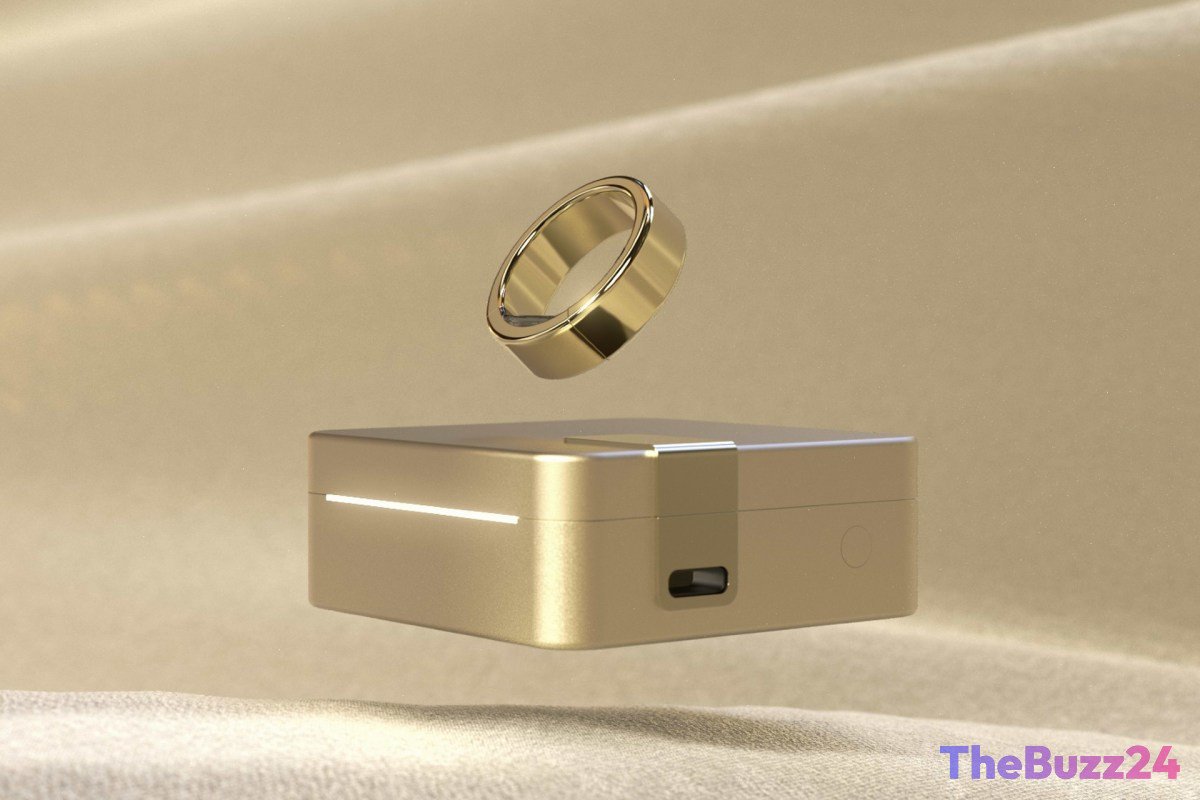
Ultrahuman Secures $70M, Aims to Transform Smart Rings into Wearable Computers with Qualcomm Partnership
Ultrahuman, an innovative Indian startup renowned for its smart rings, has successfully raised $70 million in a new funding round. This significant investment, which includes backing from Qualcomm’s venture arm and U.S. diagnostics giant Labcorp, propels the Bengaluru-based company’s valuation to $365 million, a threefold increase from its $120 million valuation in 2023. The funding comprises $65 million in primary equity and an additional $5 million in debt, as confirmed by Ultrahuman founder and CEO Mohit Kumar. The capital infusion is set to fuel Ultrahuman’s ambitious vision: to evolve smart rings beyond mere health and sleep trackers into sophisticated computing devices capable of running software and powering diverse applications from AI interactions to gaming.
Central to this transformation is a strategic collaboration with Qualcomm. Ultrahuman is actively developing a new generation of rings that will integrate Qualcomm’s advanced silicon, enhancing the devices’ onboard computing capabilities. This move aims to reduce the rings’ dependency on smartphones or cloud services by enabling more software and complex algorithms to execute directly on the wearable. While Ultrahuman currently utilizes chips from Nordic Semiconductor, the company plans to incorporate Qualcomm’s technology alongside its existing solutions, marking a significant leap in wearable processing power. This technological advancement is poised to unlock a new era of functionality for smart rings.
Mohit Kumar envisions a future where smart rings function akin to miniature computers, allowing developers to create dedicated programs for the device. The company is exploring a wide array of potential use cases, including the ring serving as a precise pointer or mouse, a game controller, a car key, or an intuitive interface for interacting with artificial intelligence. Quinn Li, global head of Qualcomm Ventures, highlighted Ultrahuman’s role in building a new generation of “personal AI devices,” emphasizing the future of AI as personal, ambient, and always-on. Notably, some of these advanced capabilities, such as game controller functionality and AI application interaction, are slated to arrive on Ultrahuman’s existing Ring Air and Ring Pro models via a software update by the end of September, with provisions for third-party developer integration.
Beyond its technological aspirations, Ultrahuman’s existing business demonstrates robust growth. The company reports an annual revenue run rate of $140 million, a 45% increase year-over-year, with projections to reach $200 million by January 2027. To date, Ultrahuman has sold approximately 800,000 rings, and about 12% of its users subscribe to its premium software features, PowerPlugs. The U.S. remains Ultrahuman’s largest market, where demand for its redesigned Ring Pro is currently outpacing supply by 18 to 20 times, following a patent dispute with rival Oura that temporarily impacted sales. The company plans to leverage the new capital to deepen its market presence in regions like India and the UAE, investing in physical retail and clinical research. Furthermore, Ultrahuman is exploring a deeper partnership with Labcorp to integrate longitudinal wearable data with blood-test results, aiming to identify health risks in areas such as cardiovascular health, fertility, and aging, thereby creating new opportunities in personalized health.
Key Takeaways
- Ultrahuman secured $70 million in a new funding round, valuing the company at $365 million, with key investments from Qualcomm Ventures and Labcorp.
- The company aims to transform smart rings from health trackers into versatile computing devices capable of running software, AI interactions, and gaming, leveraging a new partnership with Qualcomm for advanced silicon integration.
- Ultrahuman is experiencing significant business growth, expanding its market presence, and collaborating with Labcorp to integrate deeper health diagnostics into its wearable technology, with some advanced features rolling out via software updates soon.
Editor’s Analysis & Impact
Ultrahuman’s latest funding round and strategic partnership with Qualcomm signal a significant shift in the wearable technology landscape. By aiming to transform smart rings into full-fledged computing devices, Ultrahuman is challenging the traditional roles of wearables and potentially creating a new category of ‘personal AI devices.’ This move could spur innovation across the industry, pushing competitors to integrate more advanced processing and AI capabilities into compact form factors, potentially blurring the lines between smartwatches, fitness trackers, and even smartphones for certain interactions. The collaboration with Qualcomm provides a crucial hardware advantage, promising a future where ambient computing is more seamlessly integrated into daily life. While this vision offers exciting possibilities for personalized health, gaming, and productivity, it also raises important considerations regarding data privacy and security for such intimate, always-on devices. The success of this venture could redefine user expectations for wearable technology and open new revenue streams through a robust software ecosystem.
Frequently Asked Questions
Q: What is Ultrahuman's primary goal with this new funding?
A: Ultrahuman aims to transform smart rings from basic health and sleep trackers into advanced computing devices capable of running software, facilitating AI interactions, and supporting gaming directly on the device.
Q: How will the partnership with Qualcomm impact Ultrahuman's smart rings?
A: The partnership involves using Qualcomm's silicon in future Ultrahuman rings, significantly increasing their computing power. This will allow more complex software and algorithms to run on the device itself, reducing reliance on a connected phone or cloud services.
Q: What new functionalities can users expect from Ultrahuman's smart rings?
A: Beyond health tracking, future functionalities include acting as a game controller, a pointer/mouse, a car key, and an interface for AI applications. Some of these features are expected to roll out via software updates to existing rings soon, with third-party developer support.
AI Disclosure: This article is based on verified data and official reports. Our Team and AI have cross-referenced every financial detail with primary sources to ensure total accuracy.
More from this Category