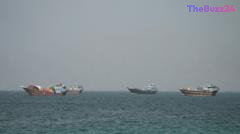
UN Suspends Strait of Hormuz Evacuation Mission Following Vessel Attack
The International Maritime Organization (IMO) has officially halted its large-scale operation to evacuate over 11,000 sailors currently stranded in the Strait of Hormuz. The decision follows a security incident involving a Singapore-flagged cargo ship, the Ever Lovely, which was struck by an unidentified projectile approximately 7.5 nautical miles southeast of the Omani port of Dahit. While the vessel managed to continue its transit without requiring assistance, the attack has prompted the IMO to reassess the safety protocols necessary for the ongoing evacuation effort.
IMO head Arsenio Dominguez emphasized that the safety of seafarers remains the primary concern, noting that the pause is essential to secure necessary safety guarantees before resuming operations. Although the IMO had previously secured cooperation from regional powers, including Iran, Oman, and the United States, the recent strike highlights the persistent volatility in the region. The Ever Lovely was not operating under the specific IMO evacuation framework at the time of the incident, yet the event has cast doubt on the stability of the maritime corridor.
This disruption comes amid a fragile 60-day de-escalation period between the United States and Iran, following a Memorandum of Understanding signed on June 17. While the agreement aimed to restore the safe passage of commercial vessels, tensions remain high regarding Tehran’s proposal to implement maritime service fees. U.S. officials, including Secretary of State Marco Rubio, have maintained that the Strait of Hormuz must remain an international waterway free from such tolls. As diplomatic discussions continue in the Gulf, the global energy market remains sensitive to any signs of instability in this critical transit point, with oil prices fluctuating in response to the latest security developments.
Key Takeaways
- The IMO has paused the evacuation of 11,000 sailors from the Strait of Hormuz following an attack on the cargo ship Ever Lovely.
- The incident occurred despite a recent 60-day de-escalation agreement between the U.S. and Iran intended to stabilize the region.
- Diplomatic friction persists over Iran's desire to charge maritime service fees, a move the U.S. strongly opposes as a violation of international waterway standards.
Editor’s Analysis & Impact
The suspension of the evacuation mission underscores the extreme fragility of the current geopolitical detente in the Middle East. While the June 17 Memorandum of Understanding provided a temporary reprieve for global oil markets, the attack on the Ever Lovely serves as a stark reminder that ‘de-escalation’ does not equate to total security. The market impact is immediate; oil prices, which had been trending toward pre-war levels, remain highly reactive to any news of regional instability. Moving forward, the success of the U.S.-Iran negotiations will likely hinge on whether both parties can enforce a ‘safe passage’ environment that satisfies international maritime law while addressing Tehran’s economic demands. Failure to secure the Strait could lead to renewed volatility in global commodity prices and further complicate the broader nuclear and regional security negotiations.
Frequently Asked Questions
Q: Why did the IMO pause the evacuation of sailors?
A: The IMO paused the operation to ensure that necessary safety guarantees are in place following an attack on a cargo ship in the Strait of Hormuz.
Q: What is the current status of the U.S.-Iran maritime agreement?
A: The two nations are currently in a 60-day de-escalation period following a June 17 agreement, though tensions remain regarding Iran's plan to charge maritime service fees for vessels using the strait.
AI Disclosure: This article is based on verified data and official reports. Our Team and AI have cross-referenced every financial detail with primary sources to ensure total accuracy.
More from this Category