United States and Saudi Arabia Forge Landmark Civilian Nuclear Agreement
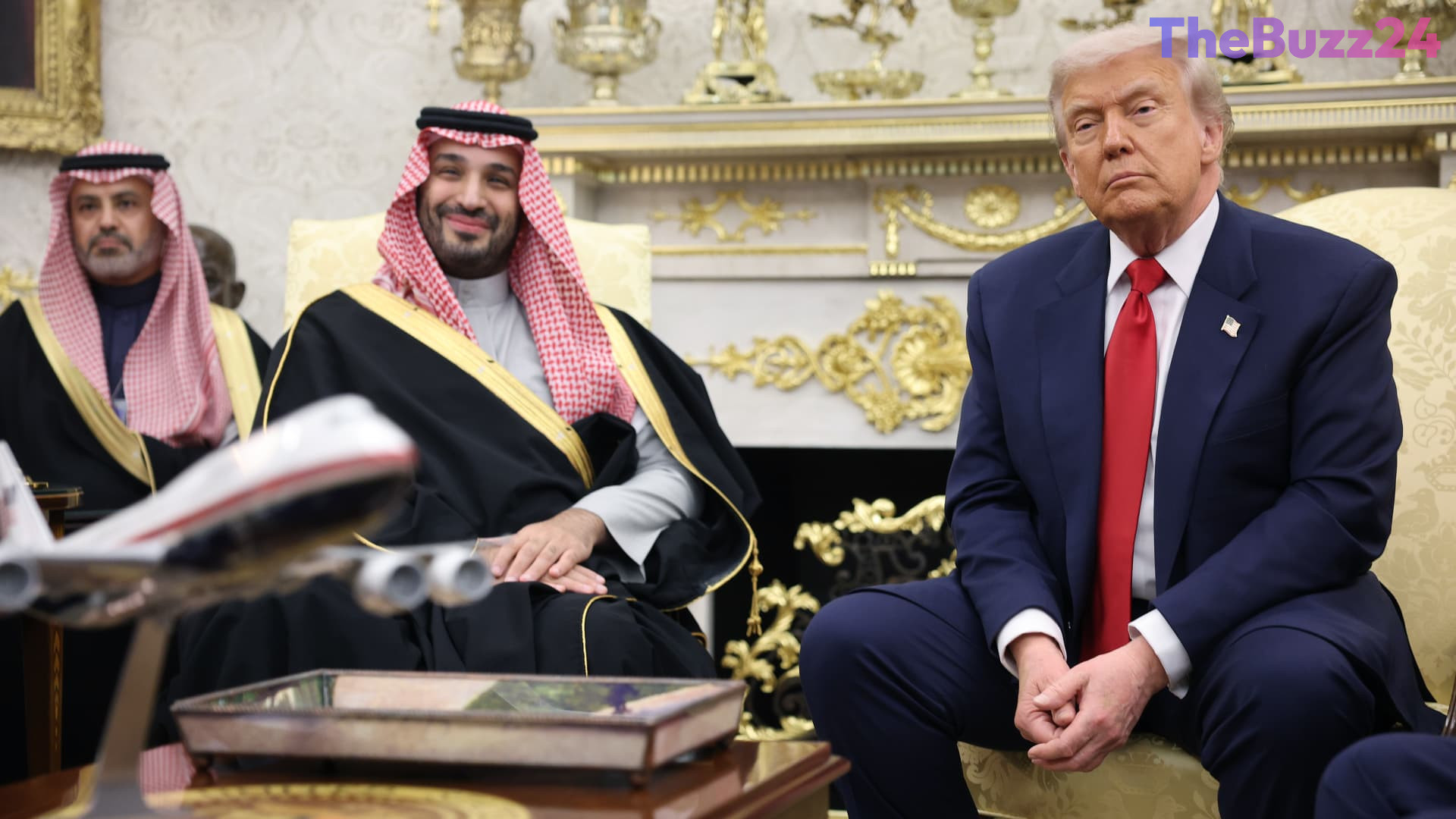
The United States and Saudi Arabia have finalized a bilateral pact aimed at developing a civilian nuclear program within the kingdom, establishing the legal framework for a long-term, multibillion-dollar energy partnership. Signed by Energy Secretary Chris Wright and Saudi Energy Minister Prince Abdulaziz bin Salman, the initiative grants American corporations unprecedented access to the Saudi nuclear energy sector while promoting domestic technology exports abroad. Officials emphasized that the agreement strictly adheres to international nonproliferation norms and high-grade safety standards.
Under the provisions of the Atomic Energy Act, the newly signed pact must now undergo a formal review process by the United States Congress. The agreement has already sparked intense political debate among lawmakers regarding its broader geopolitical ramifications in the Middle East, particularly amid ongoing tensions involving Iran’s contested nuclear ambitions. Critics in Congress have raised alarms that the partnership could inadvertently accelerate regional atomic proliferation, while proponents argue that inaction would simply cede the lucrative Saudi market to competing international suppliers like China, Russia, or France.
For American industrial leaders, the pact represents a pivotal breakthrough. Companies such as Westinghouse, Bechtel, BWXT, and Centrus stand to gain lucrative opportunities to supply sensitive nuclear equipment and infrastructure. Westinghouse CEO Dan Sumner hailed the arrangement as a historic milestone capable of fortifying international energy security. Currently, Saudi Arabia relies almost entirely on fossil fuels for its domestic power needs, splitting its electricity generation between natural gas and oil as the world’s leading OPEC producer. Incorporating civilian nuclear power marks a monumental diversification shift for the kingdom’s energy matrix.
Key Takeaways
- The U.S. and Saudi Arabia signed a bilateral agreement to establish a civilian nuclear program in the kingdom.
- The deal opens the door for American nuclear firms like Westinghouse and Bechtel to export technology and equipment to Saudi Arabia.
- The agreement faces required congressional review, with some lawmakers expressing concern over regional proliferation risks.
Editor’s Analysis & Impact
This landmark nuclear agreement between the United States and Saudi Arabia marks a critical turning point for global energy markets and geopolitical alignment in the Middle East. By positioning American firms at the forefront of the kingdom’s transition away from exclusive fossil fuel reliance, the deal secures vital export channels for domestic nuclear technology companies like Westinghouse. However, the agreement arrives amid heightened regional instability and stringent congressional scrutiny. The long-term success of this partnership will depend heavily on robust nonproliferation enforcement and how effectively Washington can balance its strategic alliances in the Middle East without triggering a broader regional arms race.
Frequently Asked Questions
Q: What is the primary goal of the U.S.-Saudi nuclear agreement?
A: The agreement establishes the legal framework for a multibillion-dollar partnership to develop a civilian nuclear program in Saudi Arabia, allowing U.S. companies to export nuclear technology and equipment.
Q: Does the agreement require approval from the U.S. government?
A: Yes, under the Atomic Energy Act, the agreement must be submitted to the U.S. Congress for a formal review process.
Q: Which American companies stand to benefit the most from this deal?
A: Major nuclear industry players such as Westinghouse, Bechtel, BWXT, and Centrus are expected to secure significant opportunities to supply nuclear equipment and infrastructure to Saudi Arabia.
AI Disclosure: This article is based on verified data and official reports. Our Team and AI have cross-referenced every financial detail with primary sources to ensure total accuracy.
More from this Category